





Increasing recycling in aquaculture explored
A new project is exploring how the aquaculture sector can better use recycled plastics.
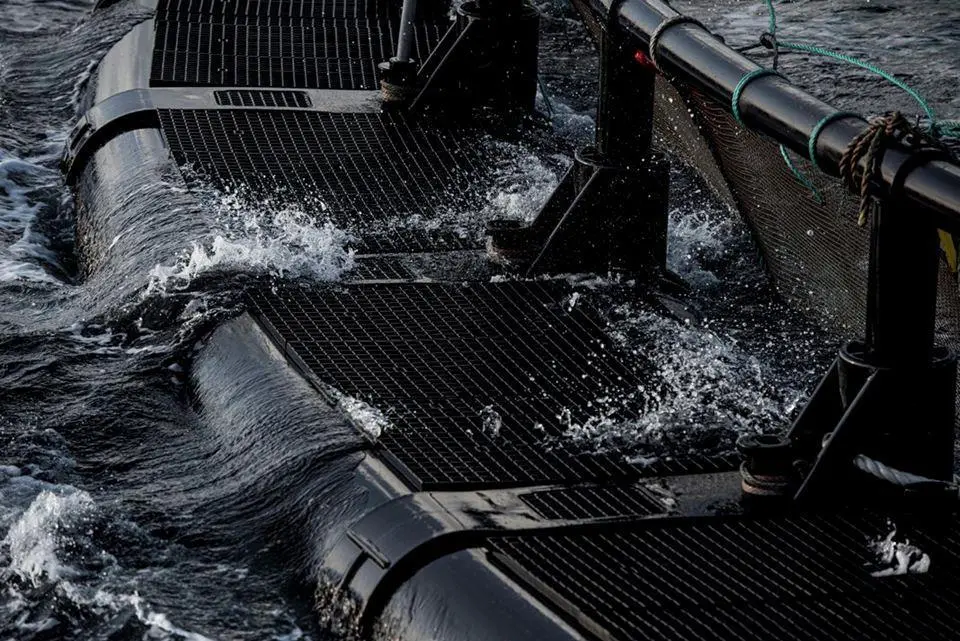
The ‘Pathways to sustainable post-consumer plastic in aquaculture’ (POCOplast) project brings together researchers from SINTEF with seven partners to determine ways in which the sector can create a ‘circular economy’ and reduce waste.
“We’ve been looking at everything from administrative terms of reference to rules and regulations, the current state of ourknoweldge and, not least, levels of acceptace within the industry,” said SINTER researcher, Sigrid Damman.
“These factors are just as important as any technological developments,” she added.
Firstly, the sector needs stable administrative and regulatory frameworks in place, says Damman. The EU has already made of number of amendments to its regulations and is also offering more funding for research.
Equally, Damman says that companies are keen to develop new products but are wary that a supporting infrastructure is not yet in place.
“It will be a bad move to stipulate new requirements before we’re sure that we have sufficient capacity in place,” she said.
She welcomes, however, moves to place greater levels of responsibility on manufacturers, something which will be in place within the fisheries and aquaculture sectors by the end of 2024. There is also talk of making funding available to design products that are suitable for recycling.
Lastly, and perhaps most importantly, the sector must have faith that the new materials and products will be as robust and reliable as existing ones.
“Good intentions will be to no avail if the authorities can not offer a regulatory framework that enables the industry to see the benefits of adopting innovative materials and products,” she concluded.
Related Articles
 SEAFOOD
 AQUACULTURE
 AQUACULTURE