




Icelandic aquaculture export earnings climb
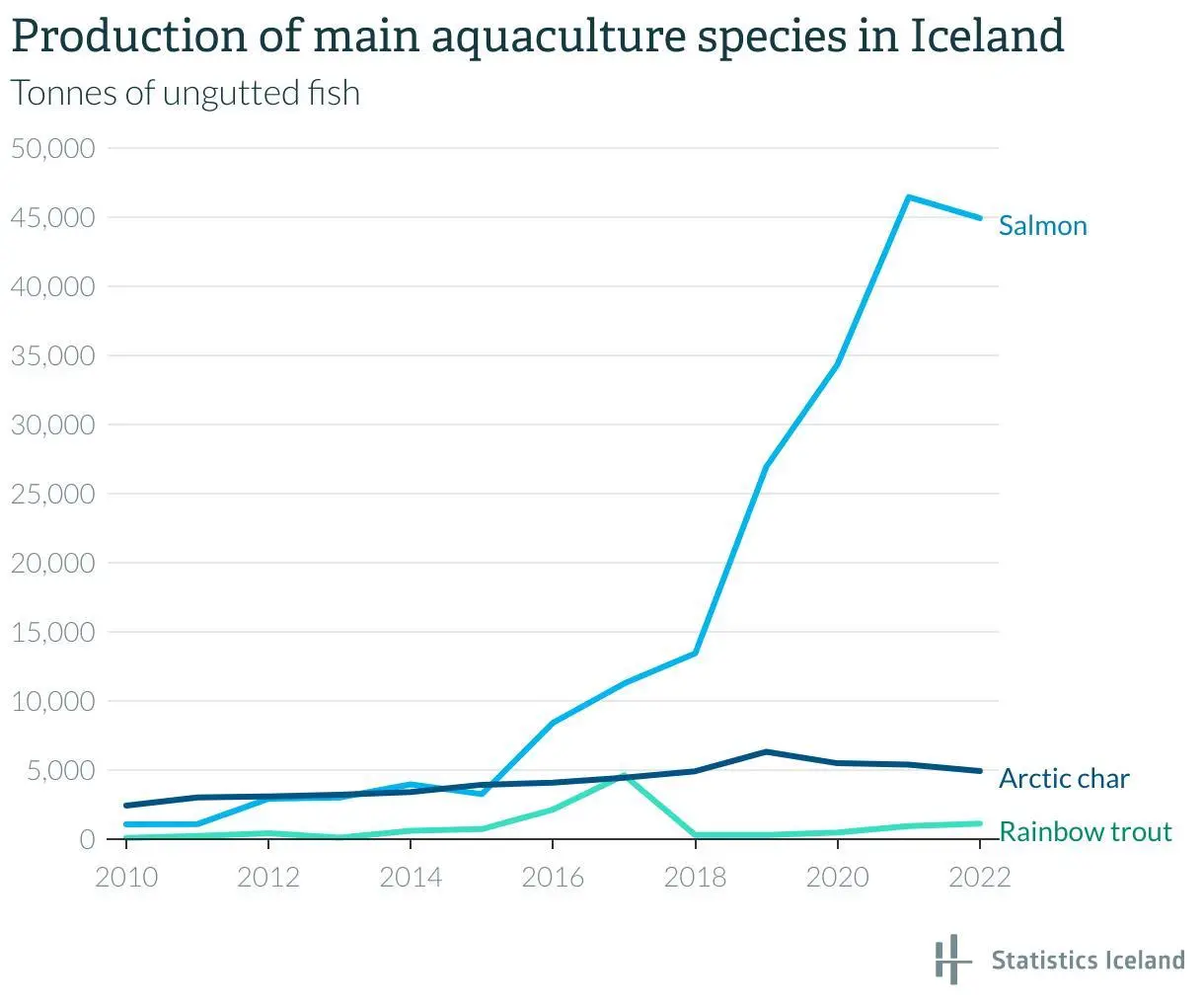
The total volume of fish produced by Iceland’s aquaculture industry decreased by 1,796 tonnes in 2022, amounting to a total 51,350 tonnes. However, the country exported more fish than in 2021 and generated more value from these overseas sales.
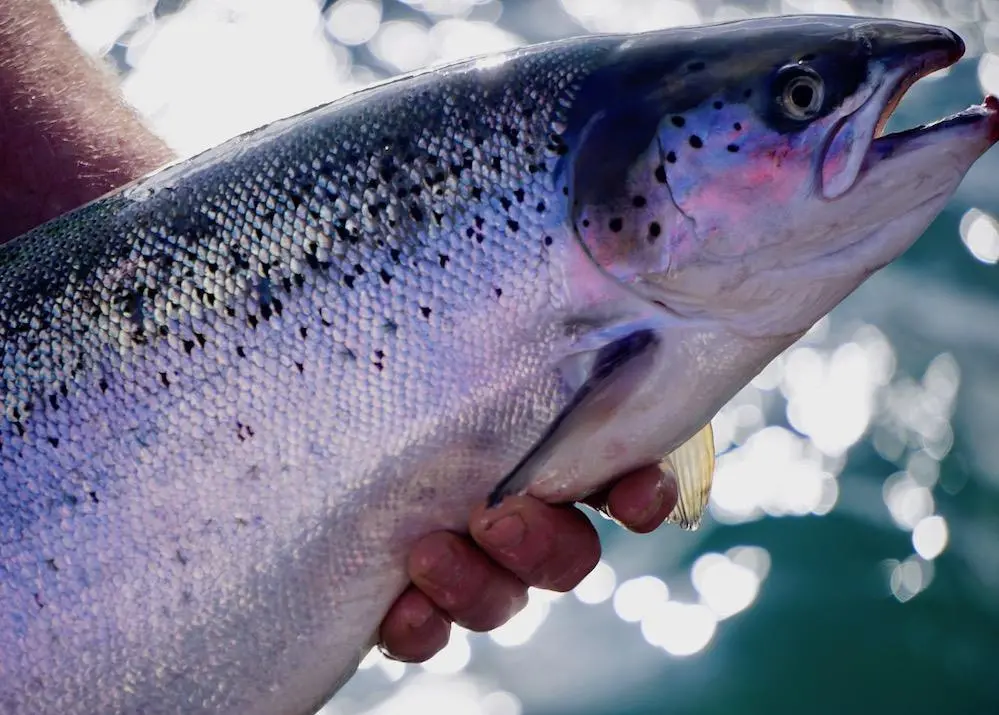
According to new figures from Statistics Iceland, at 44,934 tonnes, salmon accounted for 90% of the country’s farmed fish production. Its arctic char and rainbow trout volumes amounted to 4,931 tonnes and 1,131 tonnes, respectively.
With regards to exports, the country sold 43,064 tonnes of fish, earning more than ISK 48.8 billion in 2022. In the previous year, the volume and value totalled 38,832 tonnes and less than ISK 36.2 billion.
Last year’s salmon exports amounted to 38,875 tonnes, worth ISK 43.7 billion.
Iceland has become the fourth largest producer of salmon in Europe behind Norway (1.5 million tonnes in 2021). Scotland (200,000 tonnes) and the Faroe Islands (90,000 tonnes).
According to FAO data from 2020, Iceland is in 37th place of overall aquaculture production. The industry employs around 600 people.
Related Articles
 SEAFOOD
 AQUACULTURE
 SEAFOOD