




Data science for disease control
Diseases such as pasteurellosis and infectious salmon anaemia (ISA) wreak havoc on fish health and highlight the need for continuous research on health and disease. In the meantime, farmers want a secure, reliable way to share information with one another and ample time to evade disease.
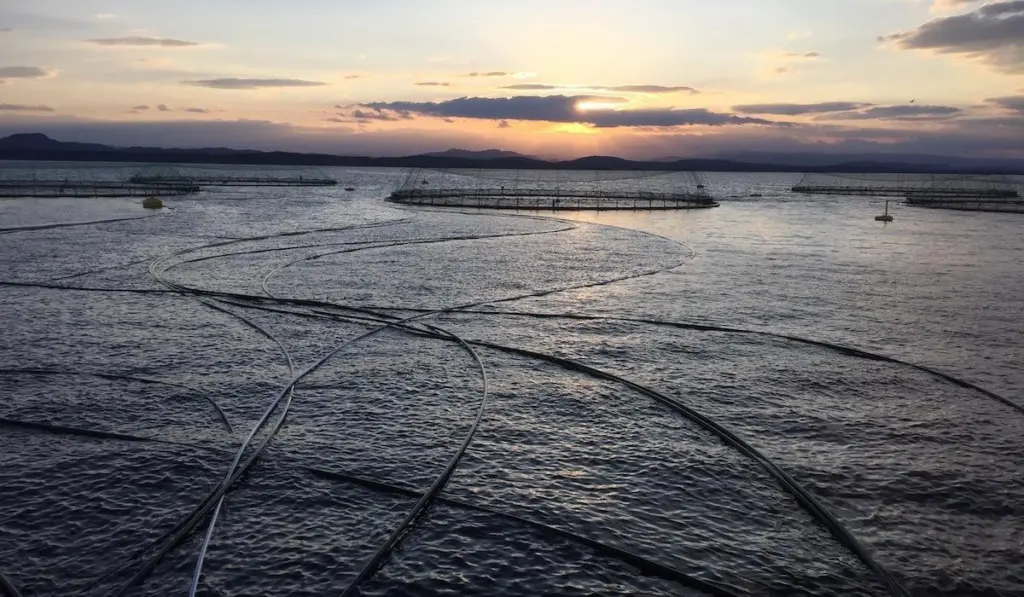
Thanks to a new alert system, salmon farmers are using technology to get ahead of disease outbreaks. Fortunately, much of the information required to prevent disease is already available and can now be used by farmers to predict the early onset of any outbreaks. With a key focus on building disease detection models to fuel sustainability in aquaculture, Norwegian software and data analytics firm Manolin launched a new system in 2021 that automatically alerts farmers to potential diseases in their area.
“Our work started with the issue of disease and how problems spread in the ocean for farmers,” said Tony Chen, CEO and founder of Manolin.
“My co-founder and I worked in government consulting in the US and learned about the problems that oyster farmers were experiencing. The farmers wanted to be warned of risks like algal blooms, for example by deploying sensors away from their farms so they could be notified in advance. Knowing things ahead of time is very important for farmers and this issue of how things spread in the ocean really intrigued us. We were inspired to go down our current route, and we recognised that the best place to provide these insights was the salmon farming sector, so we looked to Norway, where the health status of the country’s farmed salmon is publicly available in real time.”
Manolin uses industry data to predict the early onset of diseases on salmon and trout farms. Under its alert system, farmers receive notifications through their own Manolin dashboard and via email whenever a change is detected. Data is brought in from Norway’s public and private sectors and five-week forecasts on significant risks are provided. Diseases such as pancreas disease (PD) and ISA as well as sea lice are all tracked by Norway’s government regulators, and any sites at risk from these are identified.
Immediate notification
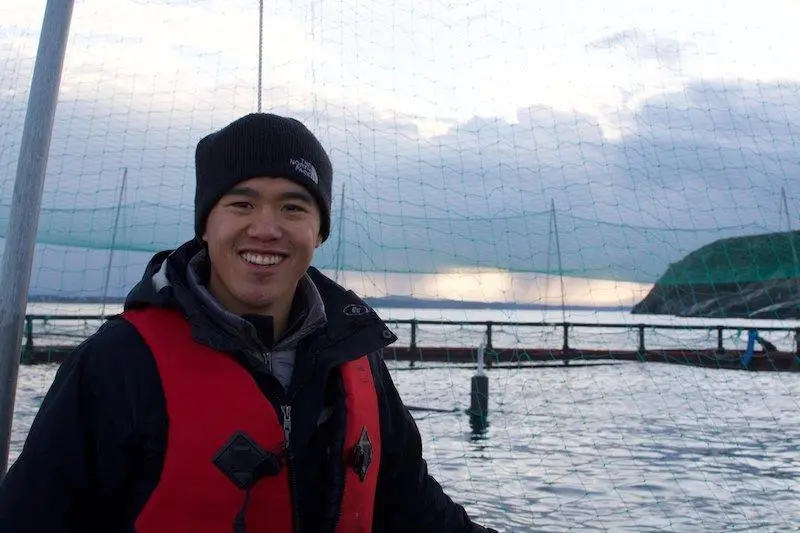
Manolin’s system also notifies farmers of the risk of non-notifiable diseases such as pasteurellosis (farms are not obliged to notify regulators about an outbreak of these diseases). It is also designed to detect all causes of mortalities and issue notifications immediately. Just two days or even hours can have a huge impact on farms as far as decision-making goes, Tony Chen explained, and immediate notifications enable preventative action such as altering feed (giving fish probiotics or a different type of feed to boost the immune system), harvesting schedules (in case growth is temporarily stunted and fish welfare reduced in the event of disease) and adjusting sea lice strategies. All data is anonymised as much as possible.
“Data privacy is something that we track very closely,” he said.
“For example, when it comes to non-notifiable diseases, we never identify exactly which farm they are coming from. However, for something like sea lice, you can assert whether there are any issues pretty quickly by looking at the public data. The Norwegian government requires reporting at a weekly level per site, and Norway does a really good job of sharing this information through its networks. Most farmers and a lot of vets across the industry are constantly watching that data set. We just open that up.”
With disease outbreaks a significant threat to Norwegian farmers, Manolin’s new system comes with an array of benefits. It gives farms more time to plan biosecurity measures that can minimise the impact of particular diseases for their area and the entire industry. The sector also has a collaborative aspect that cannot be avoided if it is to succeed and grow, and Manolin’s system makes a key contribution by sharing information and providing value.
According to Tony Chen, a multitude of factors in the water affects fish health, so the more information that’s available, the more accurate insights become, and this gives the industry even more room to improve.
“Issues such as fish welfare are at the top of everyone’s minds for improving sustainability, and it has been really interesting to see how quickly changes can happen in the salmon farming sector,” he said.
“For example, the number of PD vaccines that have been released over the last two to three years is exponential. The amount of investment that farms are already putting in to address disease is also considerable. There is a lot of interest in what is going on and we find that extremely exciting. Farmers see actions happen when they need to make changes and we believe our disease alert system can be central to that.”
Transparency
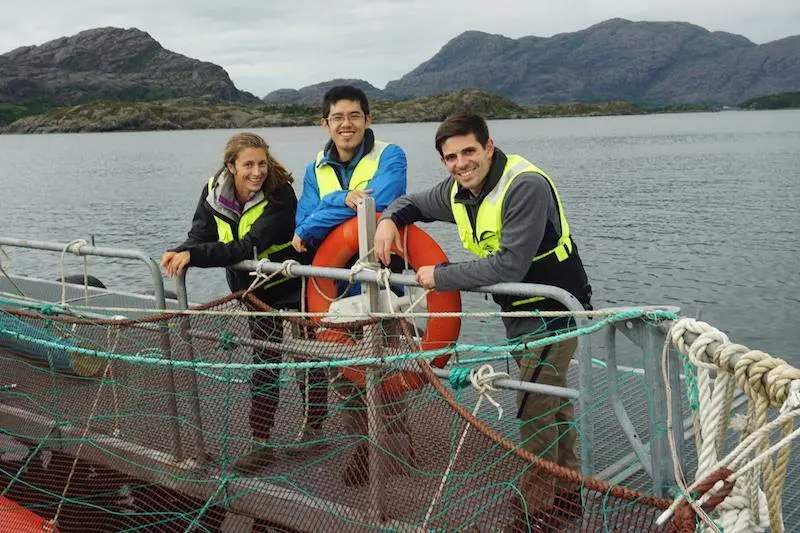
Manolin currently has presence throughout the Norwegian coastline, with new customers continuing to come on board. Some of the company’s core users have seen mortality rates decrease significantly on their farms. The system has also enabled key conversations on how industry data can be used and decisions made. Tony Chen also believes that it can make important contributions to sustainable aquaculture as a whole and to how aquaculture is portrayed and perceived.
“Transparency is extremely important in salmon farming,” he said.
“Farmers have been unsure about all the health and sea lice data that has been made public, but now they are big supporters of it. They are sharing a lot more, they can have productive conversations and they have much more data to back up their decisions with. Thanks to the system, we are also understanding the effectiveness of certain treatments like lasers or specific feeds, and getting towards those answers creates a more equitable system because farmers know what they are buying and investing in and can have an expected outcome from what they are choosing. What we are doing is critical to weeding out the noise in the industry and highlighting what’s really happening.”
Manolin aims to further develop its alert system by bringing in more data and applying that to the system’s forecasts. It also plans to expand into other markets, such as Scotland and the US, and investigate how the system’s data could help from a climate change, sustainability and traceability standpoint. The company also says that its system would easily transfer to other species and regions, and is planning to work with farmers of other species such as seaweed, shellfish and shrimp.
Related Articles
 AQUACULTURE
 AQUACULTURE
 SEAFOOD