



Logistics experts reveal hidden carbon costs in seafood distribution
Recognising emissions associated with the distribution of seafood are high, Palletower, a leading UK manufacturer, stockist and supplier of storage and logistics equipment, has transitioned the production of its plastic box pallets and other plastic storage products such as collars and foldable boxes to the UK.
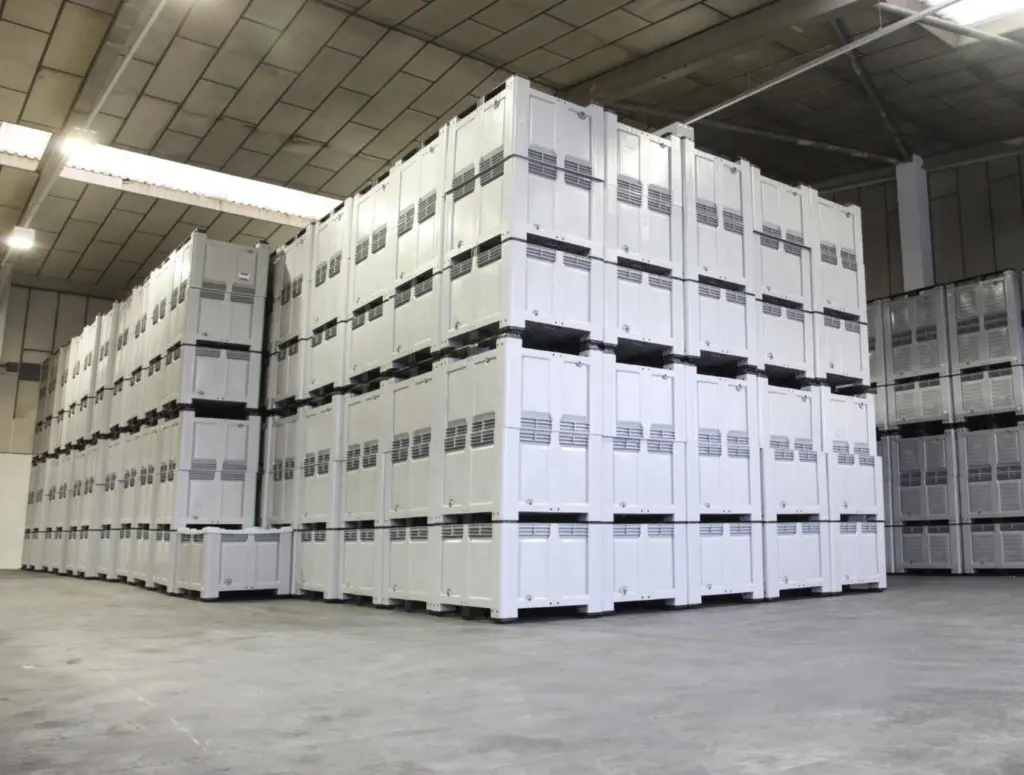
In the past, these have been manufactured in Spain, Germany and China and a significant number are currently being moulded and imported from Istanbul.
Palletower noted that in 2022, the UK exported 454,000 tonnes of seafood worth GBP 1.7 billion to 117 different countries. While it doesn’t expect to see a reduction in those exports, it maintains there are external factors that can be improved in order to reduce the seafood industry’s carbon footprint.
Investing in equipment that is manufactured in the UK rather than overseas is often avoided due to the added costs. However, localising investments to the UK permits quality control, safeguards against exchange rate volatility, and significantly reduces a company’s carbon footprint, it said.
At present, a fully lorry load of plastic boxes weighing 4.6 tonnes distributed from Istanbul to the UK generates almost 2.6 tonnes of carbon emissions. Therefore, by manufacturing in the UK, Palletower will reduce its emissions dramatically.
This move will maximise operational efficiencies and significantly improve product and material handling, it said. Moreover, the manufacturing shift will allow Palletower’s customers in the seafood industry to benefit from increased cost savings.
The UK manufactured plastic boxes are 3kg lighter than any other competitor boxes, which reduces the amount of plastic and energy used to mould the box. Despite this, they retain the same strength and are available in a range of colours, with the option of adding company branding (e.g. a logo) for versatile use in numerous industries.
Palletower said the shift in production not only allows it to have more control over materials but means the company can offer the environmental and cost benefits to its customers in the seafood sector.
Through its CO2 review exercise, Palletower has looked at the impact that the distribution of goods is having towards today’s climate crisis, and ways in which its own changes to the supply chain are a microcosm of potential change the industry could make. It highlights that if companies manufacture or distribute products outside the UK, regardless of the location, distribution will most likely be a business’s biggest contributor to annual carbon emissions.
The average small to medium sized company in the UK generates around 15 tonnes of carbon emissions annually, making up 44% of the UK’s non-household emissions.
Palletower has partnered with Positive Planet, a sustainability business advisory, to reveal the carbon impact of distribution to the UK and how carbon emissions differ depending on location. Birmingham was chosen as the distribution centre of choice as it is a central UK distribution location.
At present, as the majority of boxes are being manufactured in Istanbul, by transporting just 607 plastic boxes to the UK, this generates the same amount of carbon emissions as an average SME. However, with the exclusive mould allowing manufacturing of Palletower plastic boxes in the UK, they will be saving up to 2,569.7 KgCO2e per 104 boxes produced, as distribution emissions will be eliminated.
While businesses may opt to source products from Europe rather than Asia in an effort to become more environmentally conscious, the research found that transporting primarily by road, over a much shorter distance can produce significantly more emissions than transporting by sea from further afield. In fact, road freight produces nearly 10 times the amount of emissions as sea freight. For example, a lorry travelling 1,995 km from Rome to Birmingham produces 1,586 kg CO2e compared to Shanghai which produces 1,580 kg CO2e over a 19,374 km distance.
Of the five cities that research was conducted on, only Munich, which is located 1,305 km from Birmingham, produces close to one tonne of carbon emissions when transporting 104 plastic boxes between the two cities.
The multi-purpose use of Palletower’s plastic boxes make them widely used in an array of industries to distribute products locally and globally. While Palletower’s customers might focus on their individual sustainability goals, the climate impact and change that Palletower has made by moving their production to the UK benefits the industry as a whole. Therefore, by shifting manufacturing to the UK, businesses including those in the waste management and recycling industry could reduce distribution emissions by 1000-2,600KgCO2e per shipment.
Matthew Palmer, Managing Director at Palletower said: “By shifting the manufacturing of our plastic box pallets from overseas to the UK, we will not only gain more control over the production process but will drastically reduce the carbon emissions we emit as a business annually.
In an industry which is typically known as having its environmental challenges, we are keen to lead the way and spread awareness to our customers about the importance of investing in sustainable practices from the ground up, starting with the equipment they use to transport their goods. By purchasing plastic boxes from Palletower, your company will be significantly reducing its carbon footprint and helping improve the environment as whole.”