



FAO/GFCM: Mediterranean, Black Sea overfishing fallen to lowest level in a decade
In 2021, the percentage of overfished stocks in the Mediterranean and Black Sea fell below 60% for the first time, following a decreasing trend that started a decade ago, according to a new report from the General Fisheries Commission for the Mediterranean (GFCM) of the Food and Agriculture Organization of the United Nations (FAO).
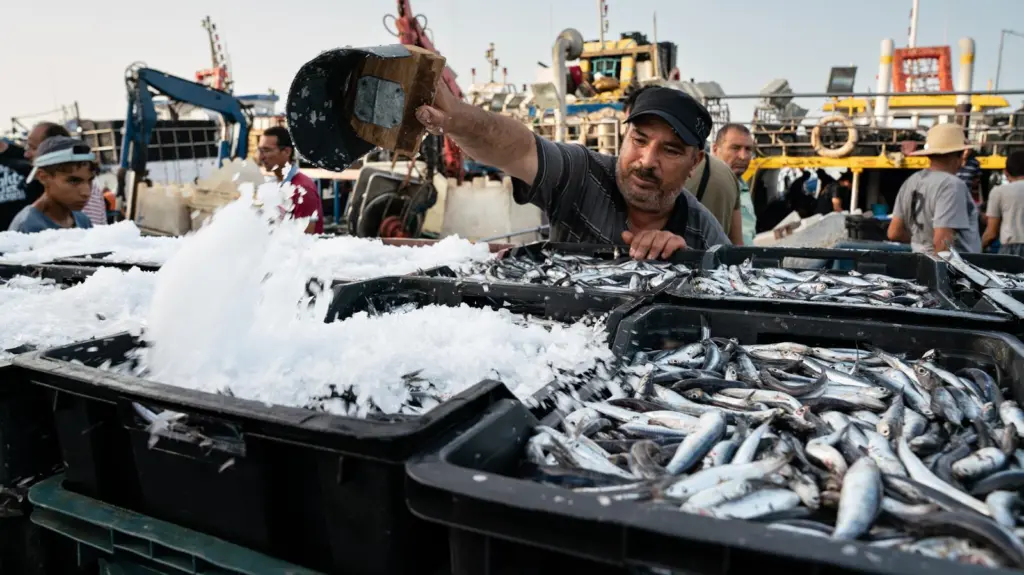
While overfishing remains a concern, “The State of Mediterranean and Black Sea Fisheries 2023” (SoMFi 2023) report records a drop of 15% in this figure over the previous year, an improvement consistent with a continuous reduction in fishing pressure, which has fallen by 31% since 2012.
For the first time, the report also includes data on the region’s marine aquaculture sector.
GFCM is responsible for wild-capture fisheries and marine and brackish water aquaculture across the Mediterranean and the Black Sea. Fisheries and aquaculture together produced nearly 2 million tonnes of seafood in 2021, finds SoMFi 2023.
Economically, the two industries played an equally important role, generating revenues of more than US$ 20 billion and supporting 700,000 jobs along the value chain.
Although the excessive exploitation of fish stocks has fallen significantly, fishing pressure in the Mediterranean and Black Seas is still at twice the level considered sustainable, highlights GFCM. As such, the report also determines the RMFO’s continued focus on expanding management plans and technical and spatial measures is having positive results for key commercial species.
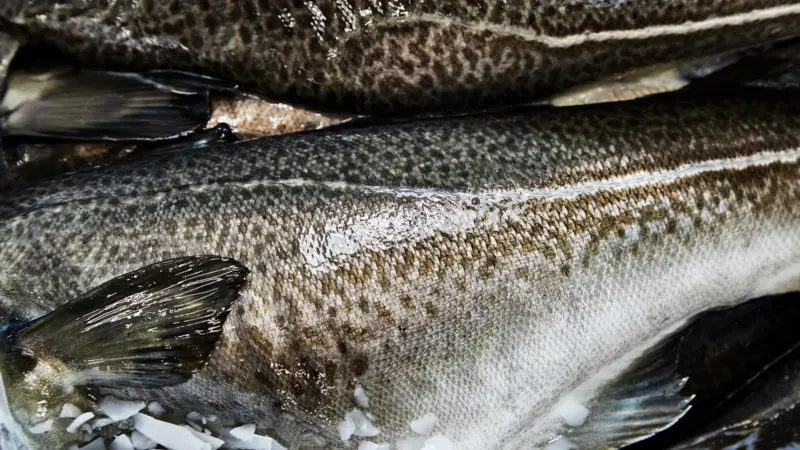
Stocks of European hake in the Mediterranean, turbot in the Black Sea and common sole in the Adriatic Sea, all covered under dedicated management plans, showed a striking reduction in overfishing, some of them already revealed signs of biomass rebuilding.
Some stocks under management plans show a larger than average reduction in fishing pressure. Notable examples include a 77% reduction for common sole in the Adriatic Sea, which has now reached sustainable exploitation rates, and a 73% reduction for turbot in the Black Sea.
Guided by its 2030 Strategy, and incorporating FAO’s vision for Blue Transformation, the GFCM implements 10 multiannual management plans involving nearly 7,000 vessels and protects sensitive species and vulnerable marine ecosystems, including deep-water corals, as well as essential fish habitats such as spawning and reproductive grounds, with 10 fisheries restricted areas covering more than 1.75 million square kilometres in the Mediterranean and the Black Sea.
Across the region, catches are still largely dominated by small pelagic fish, mainly European anchovy and sardine. In the Mediterranean, 55 species comprise 90% of the catch, while in the Black Sea just five species make up the same proportion.
Overall capture fisheries production levels have remained stable in recent years, with Turkey, followed by Italy and Tunisia, bringing in the most landings.
Small-scale vessels make up the vast majority of the fishing fleet and provide more than half of the total employment. Although they only account for about 15% of catches, these vessels bring in nearly 30% of total revenue.
SoMFi 2023 also reports that, in contrast to capture fisheries, the region’s aquaculture sector is growing significantly. Marine and brackish water aquaculture production has nearly doubled over the last decade, increasing by up 91.3%, with revenues also up by 74.5%.
The three main production methods used in the region are marine cages, ponds, and suspended culture, while the most commonly farmed species are gilthead seabream, European seabass and Mediterranean mussels.
Turkey, Egypt and Greece are, in this order, the three largest regional producers, together accounting for 71% of the total volume.
The next SoMFi is scheduled for 2025.