



£3m in funding for lobster hatchery research
Innovate UK and the Biotechnology and Biological Sciences Research Council (BBSRC) have committed £3m in funding for a research project set to make a series of breakthroughs in the science and technology associated with lobster culture.
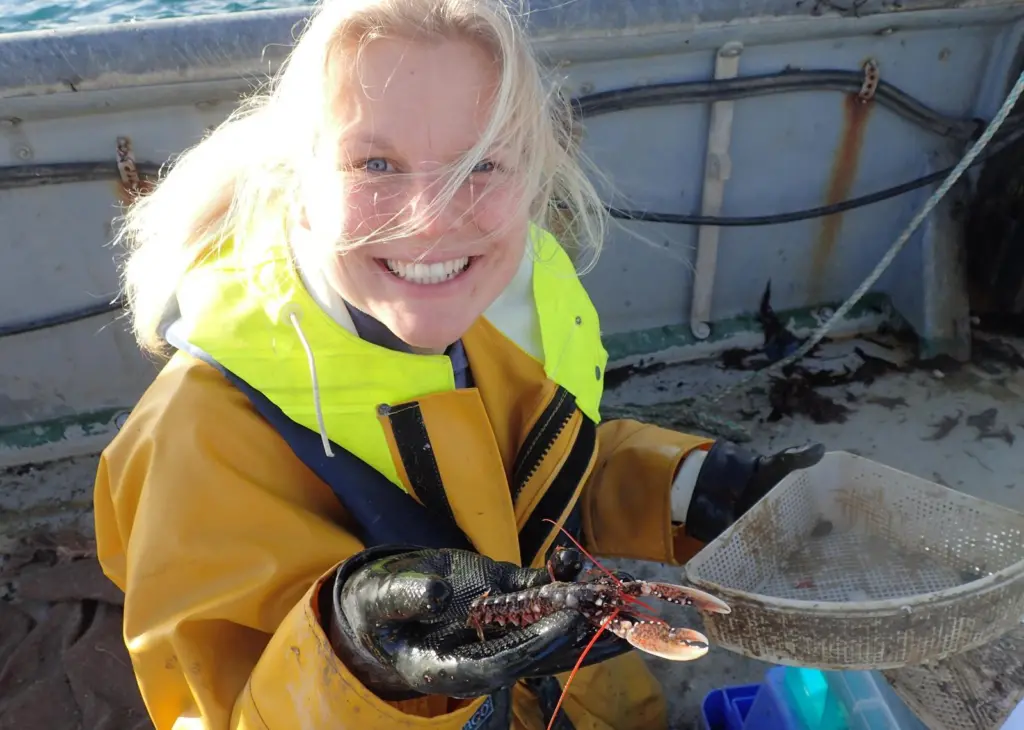
The three-year project, being carried out by the UK’s National Lobster Hatchery and its consortium partners and known as Lobster Grower 2, will focus on European lobster by developing the technology and science for growing lobsters at sea.
“Europe is rapidly falling behind the rest of the world when it comes to growing its own seafood and this project is vital in addressing that imbalance,” said Dr Carly Daniels, lead researcher for the National Lobster Hatchery. “A key component is that lobsters will be grown in systems with no artificial feed inputs. This means that some of the broader sustainability issues sometimes associated with aquaculture (i.e. feeding farmed fish on wild caught fish) do not apply.”
It is thought that long-term, an industry will develop providing a new product with a separate market from that supplied by the fishery, and therefore creating market diversification and generating additional jobs and wealth in coastal communities.
“In a nutshell we are assessing whether it is possible to grow one of the most valuable species (by weight) of seafood in the UK, using similar approaches to those used to grow low value species (such as mussels), in passive, environmentally friendly systems,” added Dr Daniels.
The project will use a sea-based container culture approach (SBCC) specifically developed for the species, in an early stage project, to assess performance and develop holistic application of the systems. A pilot scale lobster culture site will be run to gather practical, operational, environmental, biological, engineering and economic data that can be used to develop an essential tool to encourage and inform future investment.
In terms of environmental credentials, farmed fish and seafood has received its fair share of bad press, so this project specifically seeks to address these issues from the outset, undertaking a thorough environmental evaluation of operations.
The consortium includes the University of Exeter, Westcountry Mussels of Fowey, The Centre for Environment, Fisheries and Aquaculture Science (CEFAS) and Falmouth University.
Related Articles
 FISHERIES
 FISHERIES
 WORLD FISHING EVENTS