




India considers incentivising sustainable fishing
Marine fishery experts in India have suggested offering incentives to encourage fishermen to adopt sustainable fishing practices and ensuring traceability in the sector, saying the move is essential for maintaining sustainability and the country’s attempt to secure international certification for its fisheries.
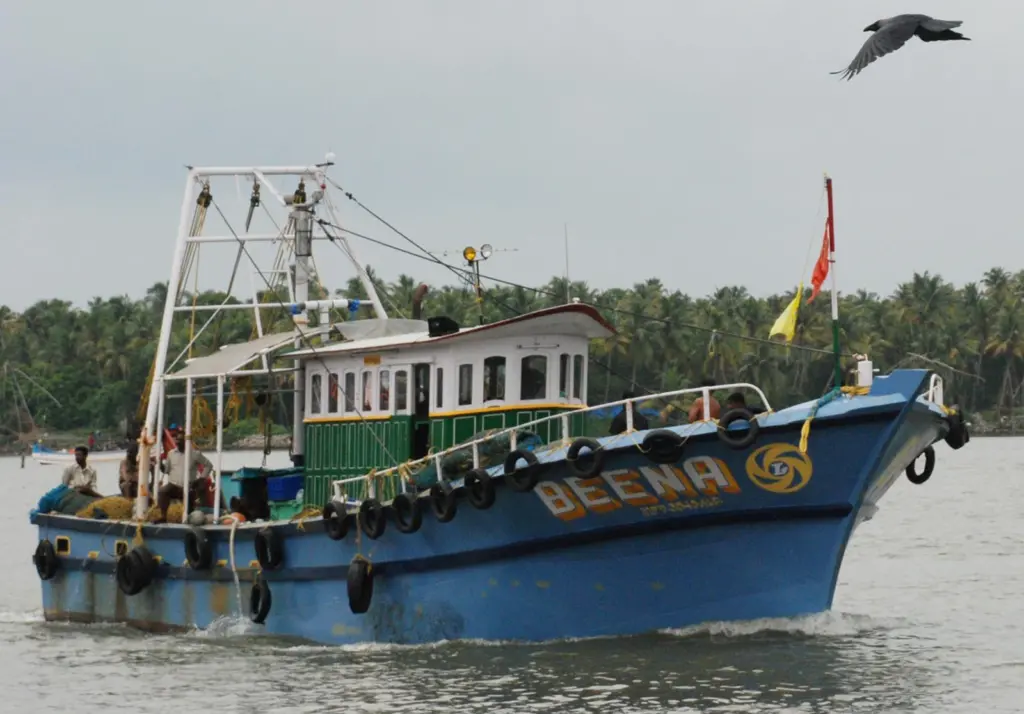
The proposal was made at a recent consultative meeting held in Kochi to review the progress of the ongoing fishery improvement project aimed at achieving the Marine Stewardship Council (MSC) certification for deepsea shrimp, coastal shrimp and cephalopods from India.
Speaking at the meeting, Dr Sunil Mohamed, Chair of the Sustainable Seafood Network of India, stressed the need for a robust system that tracks the origin of seafood from the catch to the buyer.
“Traceability is a critical factor in ensuring the sustainability of marine fisheries and gaining international recognition. By incentivising fishermen to adopt traceable practices, India can enhance its reputation as a responsible seafood producer and secure access to lucrative markets,” he said.
A fishery improvement project (FIP) for 10 prioritised species was initiated in 2019 in a collaborative effort to address sustainability issues within the Indian seafood industry and ensure that fishing practices align with environmental and social standards.
The meeting was jointly organised by the World Wildlife Fund – India (WWF) and Seafood Exporters Association of India.
Dr George Ninan, Director of the Central Institute of Fisheries Technology (CIFT), who inaugurated the meeting, said that certification plays a significant role in enhancing the value of seafood exported from India. By demonstrating commitment to sustainable practices, Indian fisheries can attract premium markets and improve the livelihoods of fishermen, he said.
“As India strives to maintain a thriving marine fisheries sector, the implementation of these recommendations is crucial. By adopting stricter regulations, promoting traceability, and fostering collaboration among stakeholders, the country can ensure that its marine resources are managed sustainably for generations to come,” he said.
During the meeting, CIFT said use of square mesh cod-ends on fishing nets would help reduce bycatch and improve selectivity.
“This design change will significantly reduce the accidental catch of juvenile fish. Adopting square mesh cod-ends can lead to fuel savings of 2 to 3 litres per 12-hour operation, contributing to environmental sustainability,” said Dr V R Madhu, Principal Scientist at CIFT.
Dr Laxmi Pillai of the Central Marine Fisheries Research Institute (CMFRI) presented the stock status of the 10 prioritised species.
The meeting was attended by Kerala state Fisheries Department officials, marine scientists, seafood exporters and representatives from various agencies involved in the fishery improvement project. Work carried out by CMFRI, CIFT, the Fishery Survey of India, the Department of Fisheries and SEAI were presented at the meeting.
The meeting also emphasised the importance of open communication among all stakeholders to address concerns and build trust.
Related Articles
 SUSTAINABILITY
 FISHING TECHNOLOGY
 FISHERIES