






UN talks fail to secure seabed protection
Governments have withdrawn a proposal to phase out destructive high-seas bottom trawling, leaving vulnerable marine ecosystems exposed to damage
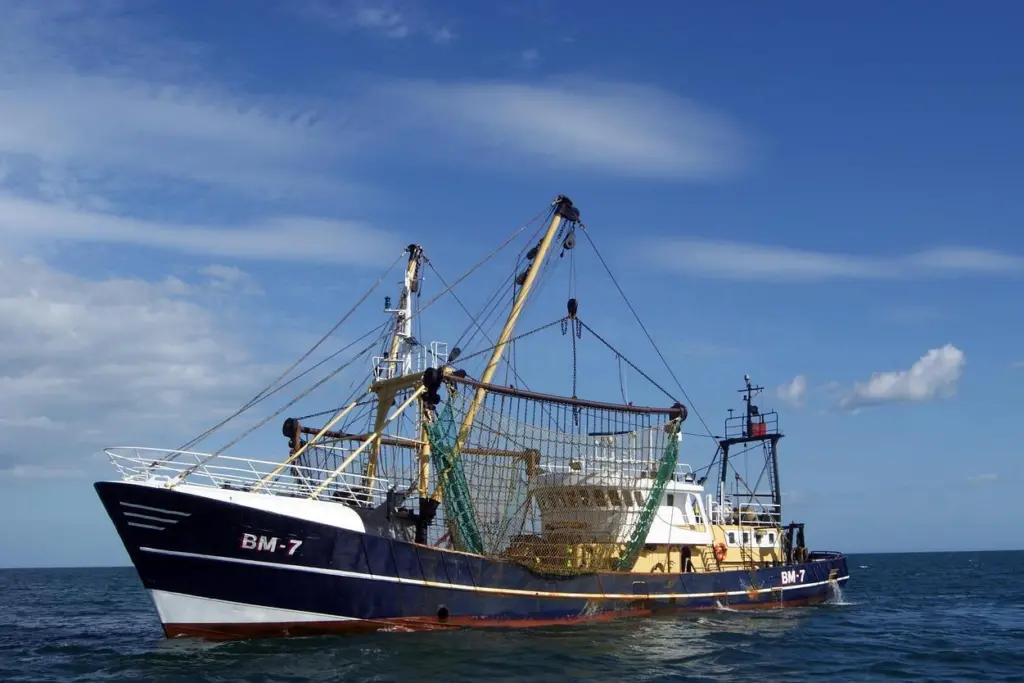
Governments have failed to agree on stronger protection for vulnerable deep-sea ecosystems after a proposal to phase out destructive bottom trawling on seamounts in international waters was withdrawn during United Nations General Assembly negotiations.
Armenia introduced the proposal during discussions on the UN Sustainable Fisheries Resolution, calling for bottom trawling on seamounts to end by December 2027. However, persistent opposition from Japan, the EU, Russia, the US, Australia and others led to its withdrawal rather than risk amendments that would undermine its objectives.
“The evidence of the destruction caused by bottom trawling is unequivocal, and governments have known about it for years. Yet they have failed to take the action needed to protect these globally important ecosystems,” says Bronwen Golder, seamounts campaign director at the Deep-Sea Conservation Coalition (DSCC).
The proposal had attracted support from Monaco, the UK, Canada, Sri Lanka, the Philippines, Fiji and Vanuatu, among other countries. Its withdrawal comes despite extensive scientific evidence highlighting the ecological importance of seamounts and the damage caused by bottom trawling.
Seamounts are biodiversity hotspots supporting ancient corals, sponges and other marine species. Some of these organisms take thousands of years to grow, yet bottom-trawling equipment can destroy their habitats in a single pass, threatening marine biodiversity and ocean health.
The negotiations retained references to a Convention on Migratory Species resolution and decision calling for seamount protection from destructive fishing. Existing UN commitments to protect vulnerable marine ecosystems also remain in force.
Matthew Gianni, co-founder and political advisor at the DSCC, said governments could not promise to halt biodiversity loss while obstructing practical conservation measures.
The final Sustainable Fisheries Resolution is expected to be formally adopted in December. The DSCC is urging governments to strengthen protection ahead of the first Conference of the Parties to the BBNJ Agreement in January 2027, warning that further delays could leave these ancient ecosystems at risk.
Related Articles
 ANALYSIS
 INNOVATION & TECHNOLOGY
 AQUACULTURE