




Global project targets sustainable fisheries
A new global fisheries project has launched across six countries, combining market incentives and governance reforms to improve seafood sustainability
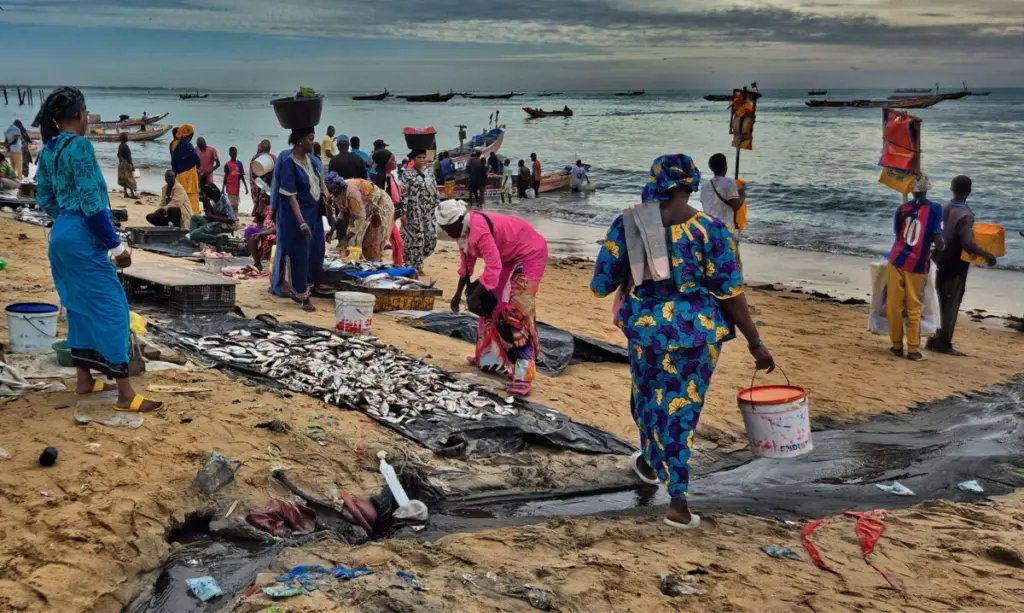
A new five-year initiative to improve fisheries sustainability across northwest Africa and Latin America has officially launched, bringing governments, seafood businesses and development partners together across six countries.
The Global Marine Commodities 2 (GMC2) Project is being implemented by the United Nations Development Programme and funded by the Global Environment Facility, with the Sustainable Fisheries Partnership (SFP) acting as executing agency.
The programme will target fisheries in the Canary Current Large Marine Ecosystem and Pacific Central American Coastal Large Marine Ecosystem.
“GMC2 brings collaborative fisheries management and responsible seafood markets together,” said Pedro Ferreiro, SFP fisheries governance and livelihoods director and technical lead for the project.
“Engagement with buyers and suppliers can reinforce these efforts by connecting responsible market demand with practical improvements in fisheries governance and supply chains.”
The project’s first steering committee meeting, held remotely on 7 October, brought together representatives from authorities in the six participating countries, marking the formal global launch of GMC2.
The initiative will use market-based tools alongside support for existing fisheries governance systems to address overfishing and strengthen seafood supply chains. Its three components are designed to increase market demand for sustainable products, support responsible supply from producing regions and improve access to knowledge and information needed to transform seafood markets.
GMC2 will focus on 10 key seafood supply chains. In the CCLME region, these include small pelagic fish in Mauritania, Morocco and Senegal, as well as octopus in Mauritania and Senegal.
In the Pacific Central American region, the project will address large pelagic fish in Ecuador, Guatemala and Panama, titi shrimp in Ecuador and shrimp in Panama.
Regional inception meetings were held in July and September, while national launch events in Ecuador, Panama and Senegal took place in June and July. These gatherings involved government representatives, researchers, private-sector organisations and development partners.
Related Articles
 FISHERIES
 BUSINESS & FINANCE
 FISHERIES