






Benefits of higher EPA, DHA in salmon feeds quantified
Big data analysis of Norway’s commercial salmon production has established the full benefits of higher levels of dietary omega-3 EPA and DHA on survival, feed performance and quality.
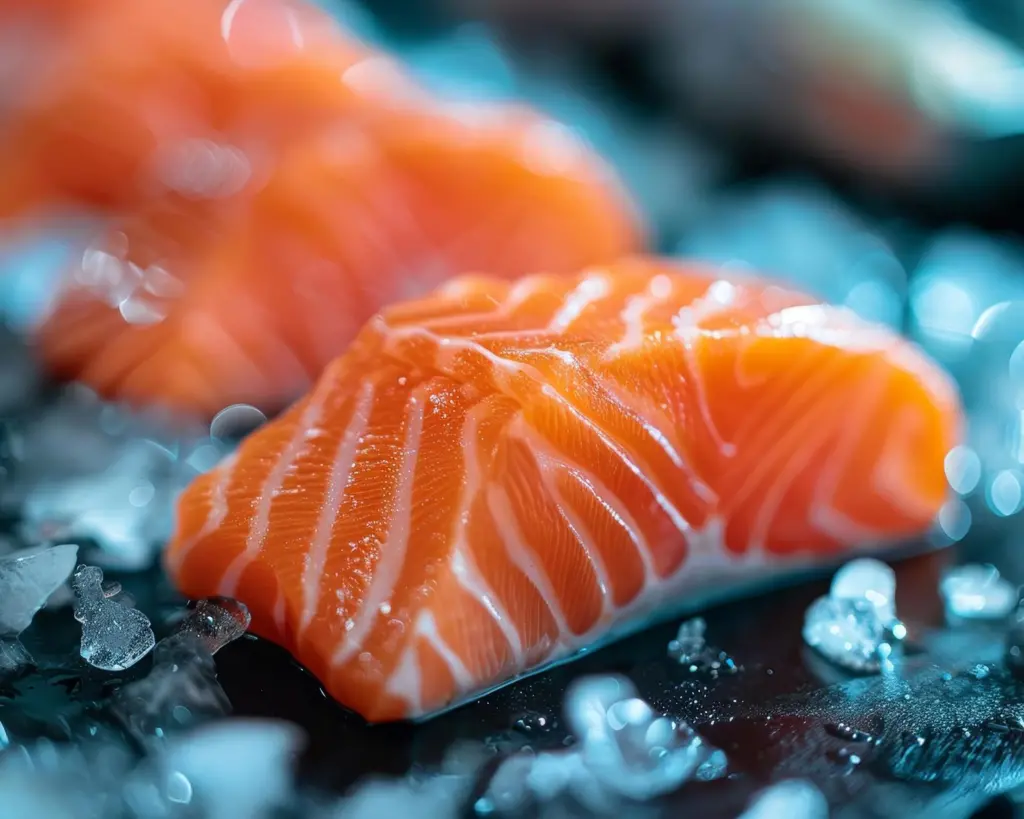
The new analysis, conducted by aquaculture technology company Manolin and microalgae oil producer Veramaris, used real-world data to compare health and harvest metrics. It shows how investment in nutrition helps to protect value throughout the supply chain, from farm to table.
This study, which processed a decade of data from 166 farms, 430 million fish and nine Norway production zones, builds on the findings of Manolin and Veramaris’ previously published scientific research. Mortality rates were 8% lower and eFCR decreased by 13%, while flesh quality also improved in populations fed diets rich in EPA & DHA.
Improvements in predictability also increased by up to 50%, which translates into greater control over outcomes and more reliable business.
“Raising salmon on diets rich in EPA & DHA checks all the boxes: better survival, feed efficiency, quality, and less waste overall,” Veramaris Global Business Development Manager Yann Le Gal said. “This ensures the health of the animals and improves the sustainability of aquaculture as a reliable food system.”
“Our approach, inspired by medical data science, delivers more precise insights,” Manolin CEO Tony Chen said. “Rather than comparing fish by generations, we analysed populations, allowing us to detect patterns across similar farm conditions with much greater confidence.”
Veramaris has invested in nutrition science research for several years, most recently in collaboration with Manolin, to provide empirical proof of the dietary EPA & DHA benefits for aquaculture.
Related Articles
 AQUACULTURE
 AQUACULTURE
 FISHERIES