




Indonesian tuna fishers introduce solar ice-making
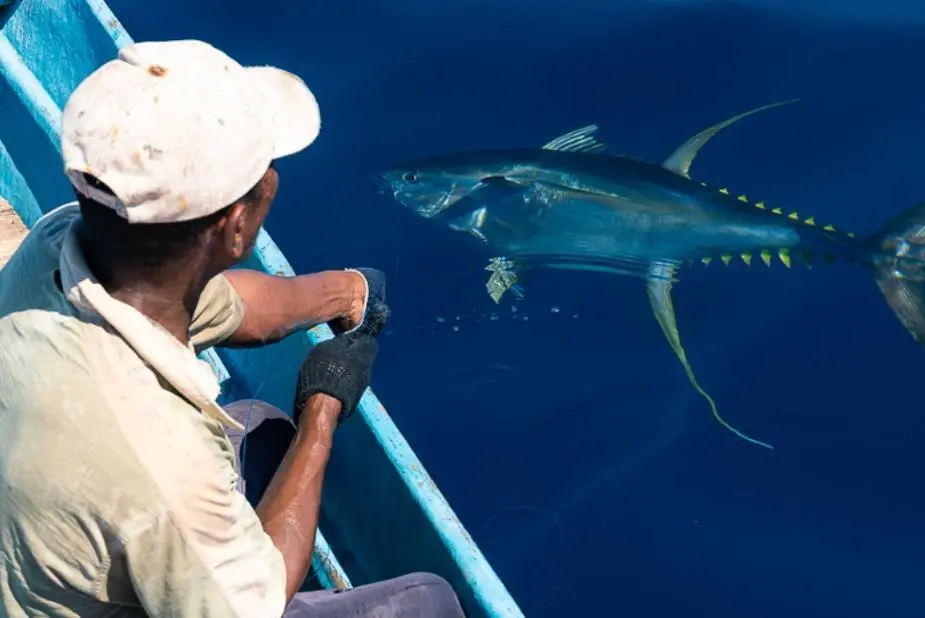
A Solar Ice Maker (SIM) facility has been introduced to a remote fishing community in Kawa, Indonesia, with the intention to help its small-scale fishers improve the quality of their tuna catches and to open up new export market opportunities.
The initiative has been rolled out by partners International Pole & Line Foundation (IPNLF), the Indonesian office of the Deutsche Gesellschaft für Internationale Zusammenarbeit (GIZ-Indonesia) and the Ocean Innovation Challenge (OIC) of the United Nations Development Programme (UNDP).
The project recognises that as well as being a source of fish, Indonesian handline tuna fisheries are lifelines for local communities, fostering equitable wealth distribution, enhancing food security, and empowering women through gender-equal employment opportunities.
Many of these remote coastal fishing communities face significant challenges. Including an urgent need for reliable access to electricity, improved skills in fish handling and food safety practices, modernisation of their fishing boats and upgrades to shore-based facilities to maintain a continuous cold chain for their catch.
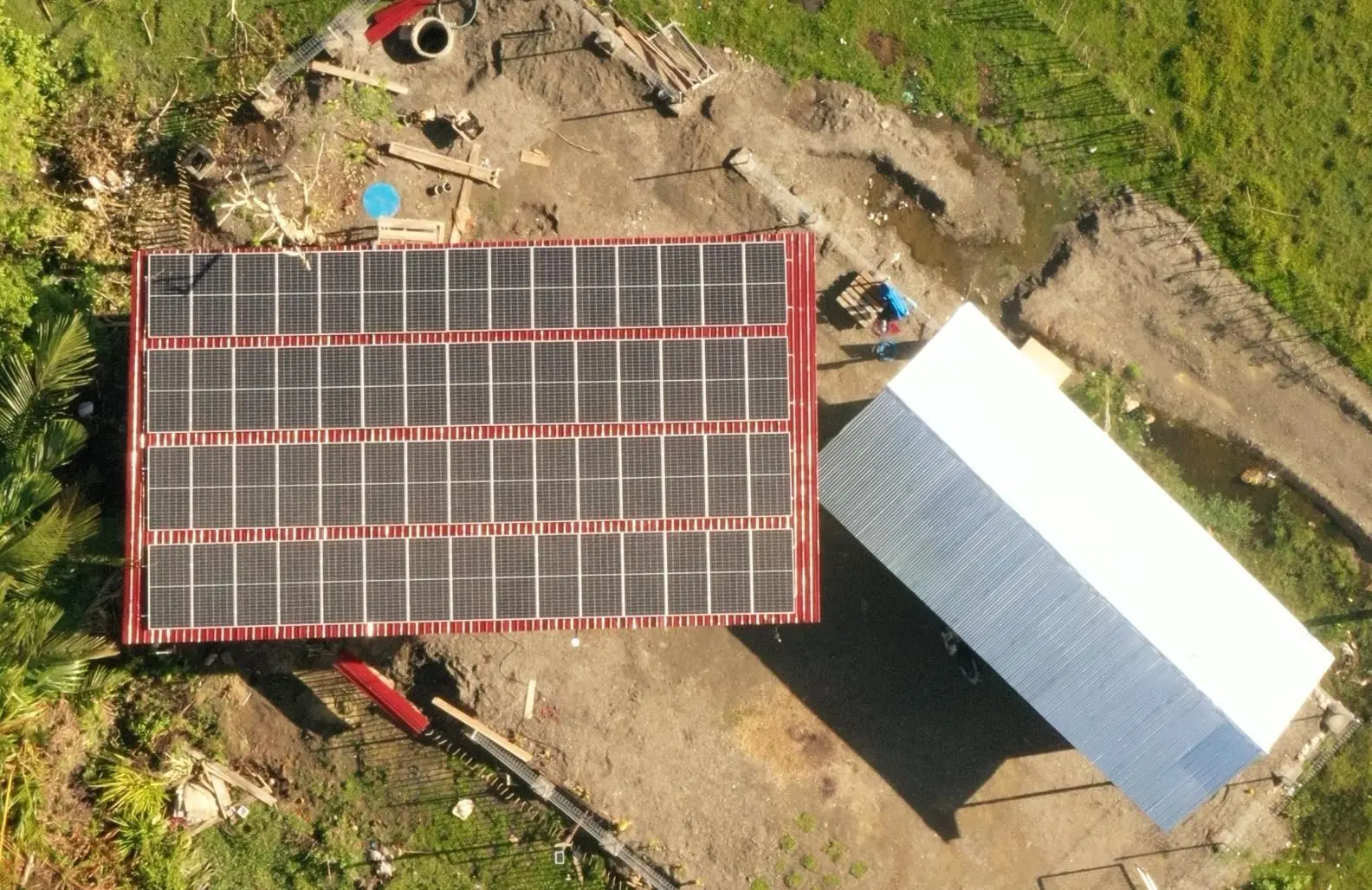
The Solar Ice Maker project, which began as a prototype in 2022, operates entirely off-grid, using solar energy to produce up to one tonne of high-quality ice per day. The technology used in the solar ice maker overcomes the challenge of replacing expensive batteries by relying on thermal energy storage.
“The solar ice maker technology is designed to meet Indonesia’s needs by providing 100% greenhouse gas emission-free ice for small-scale, coastal fishery communities and reducing post-harvest losses. This shows how the global energy transition can effectively meet local needs while preserving sustainable fishing practices and reducing carbon emissions,” said Frank Stegmüller, Lead Industry Decarbonisation & Energy Island Solutions, Energy Programme, GIZ Indonesia/ASEAN.
Trian Yunanda, Acting Expert Staff for Community Affairs and Inter-institutional Relations of Indonesia’s Minister of Marine Affairs and Fisheries (MMAF) welcomed the move, saying the future of Indonesia’s fisheries is closely linked to the welfare of small-scale fishers.
“By embracing innovation, fostering collaboration, and upholding sustainability principles, we can usher in a new era of prosperity for Indonesia’s small-scale fishers and coastal communities.”
IPNLF Social Responsibility Director Shannon Hardisty believes the SIM will help the Kawa fishers near-triple their income because of the higher-grade tuna they will be able to sell.
“Their product can be sold to international markets such as Japan and the US with that grade, which means rural fishers can increase access to global markets and improve their livelihoods,” she said.
Related Articles
 SUSTAINABILITY
 FISHING TECHNOLOGY
 FISHERIES