






India readies shark conservation plan
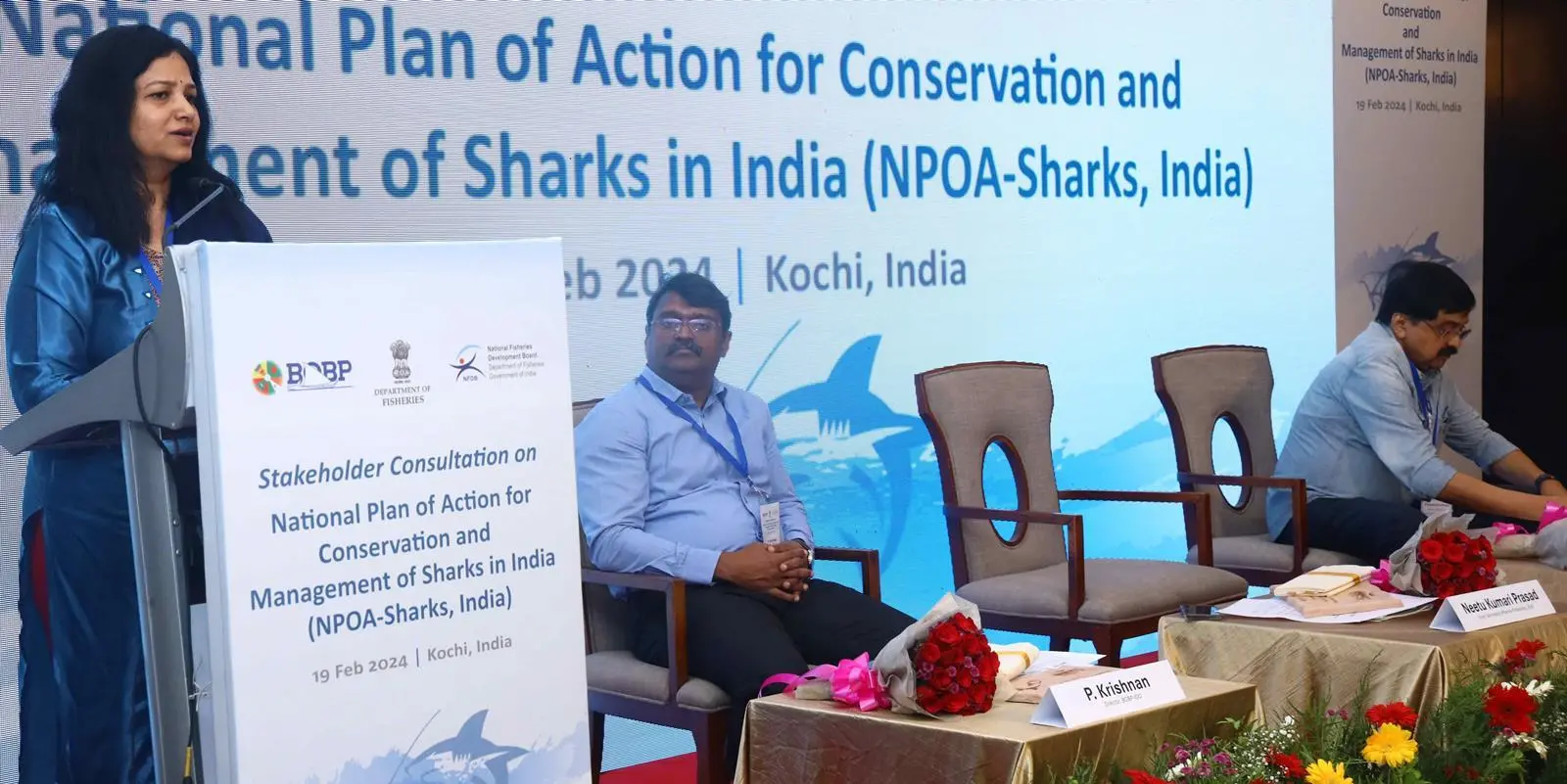
India is poised to adopt a National Plan of Action for Conservation and Management of Sharks (NPOA) after a consultative meeting in Kochi gathered crucial feedback from stakeholders, including scientists, conservationists, government officials and environmentalists paved the way for its implementation.
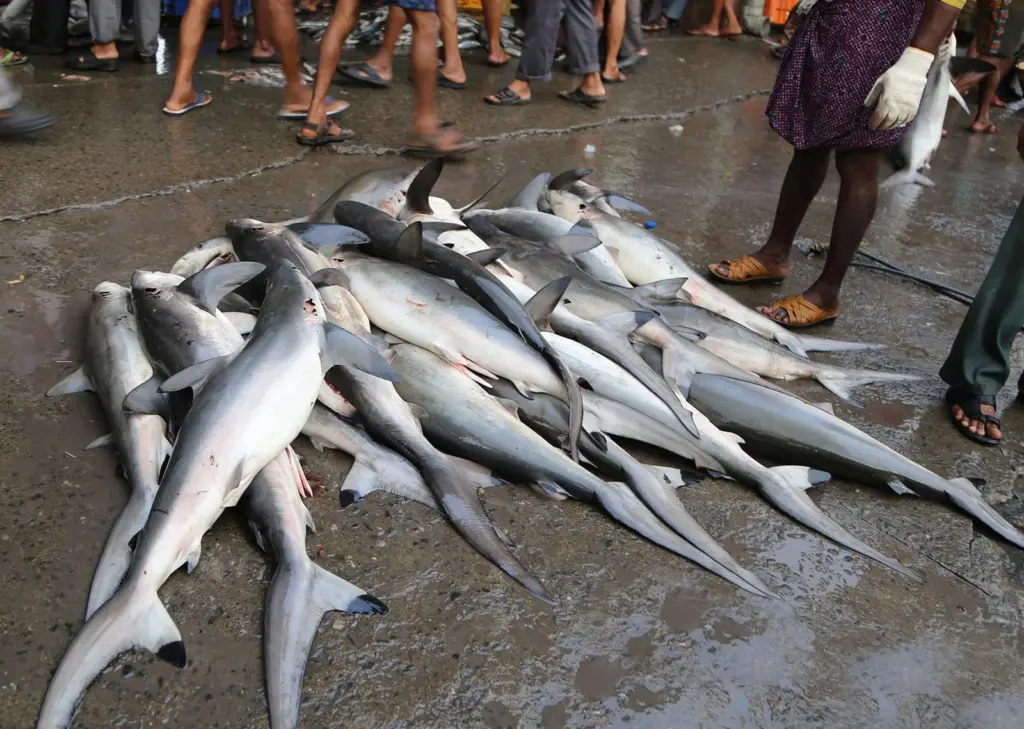
The meeting was jointly-organised by the Department of Fisheries, Government of India and the Bay of Bengal Programme Inter-Governmental Organisation (BOBP-IGO).
NPOA’s draft contains key priorities for effectively managing and conserving shark populations in Indian waters. Discussions at the meeting cantered on these critical areas, ensuring a comprehensive and actionable plan. These areas include legal framework, capacity building, data collection, scientific research, regulation of fishing, biodiversity and ecological considerations and regional cooperation.
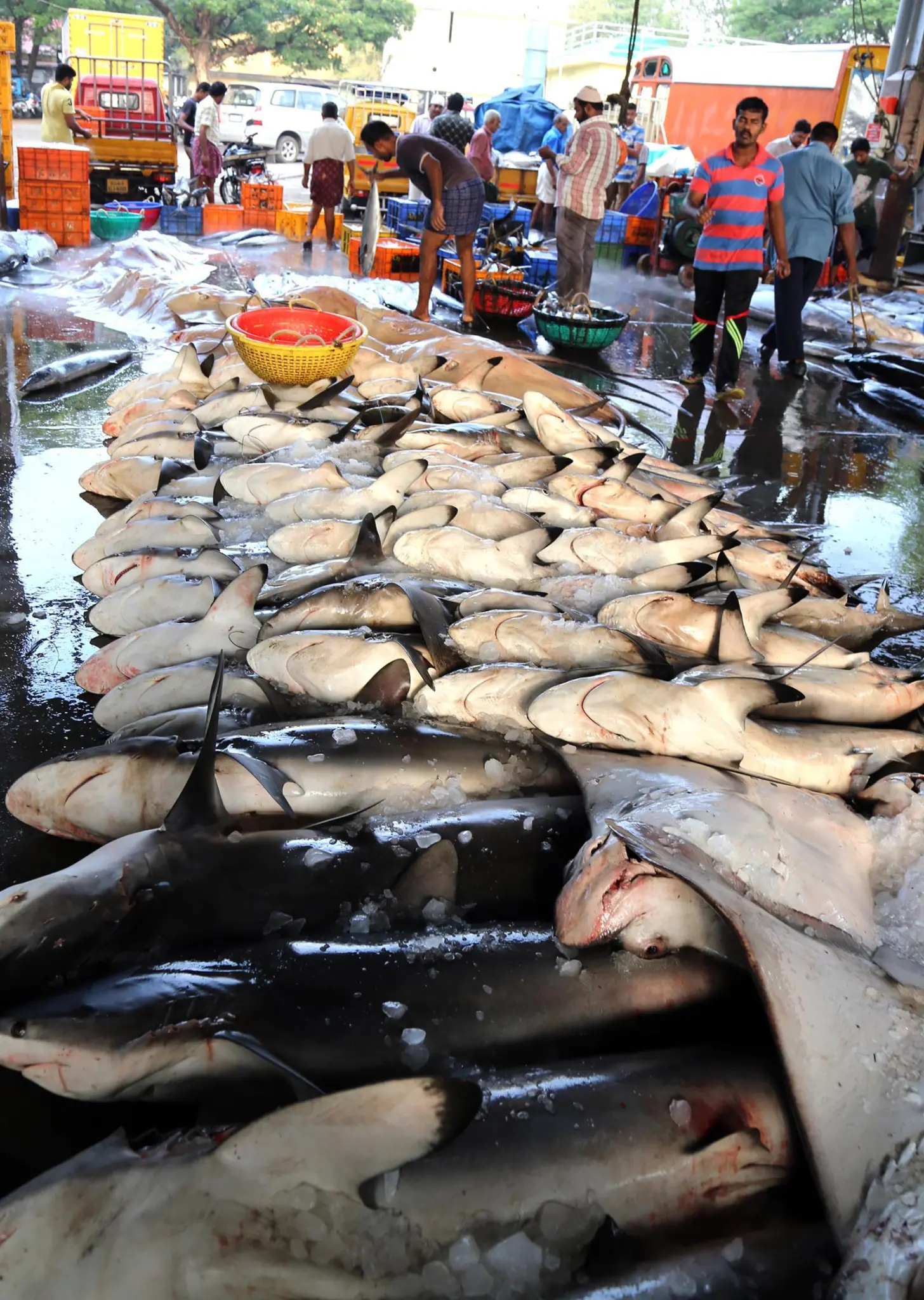
The proposed plan also envisages enactment of law for waters between 12 and 200 nautical miles, implementation of logbook system, awareness building among fishermen, encouraging fishermen to follow gear regulations and by-catch reduction measures amongst many other schemes.
“Developing NPOA is vital for the sustainability of the shark fishery,” said Neetu Kumari Prasad, Joint Secretary to the Department of Fisheries, Government of India. “We’ve engaged extensively with fisher associations, research bodies, and NGOs to create a comprehensive plan.”
The plan is expected to improve India’s understanding of its shark population and the communities dependent on it. This knowledge will equip the government with the tools to make informed decisions on shark fisheries and conservation in the country, she added.
BOBP Director Dr P Krishnan said the plan aims to promote sustainable fishing practices, ensuring the long-term health of shark populations and the fisheries sector. Additionally, it seeks to support coastal communities by facilitating the development of alternative livelihoods, he said adding that more than two lakh people in India earn over 50% of their incomes on shark fisheries.
“The NPOA plays a crucial role in regulating India’s substantial involvement in the global shark trade. This includes guaranteeing compliance with the Convention on International Trade in Endangered Species of Wild Fauna and Flora (CITES) and actively combating illegal, unreported, and unregulated (IUU) fishing activities,” he said.
Emphasising the rising number of vulnerable shark species, Dr Kim Friedman, Senior Fishery Officer at the UN’s Food and Agriculture Organization (FAO), highlighted the critical importance of this proposed plan of action.
The meeting proposed that stakeholder awareness is crucial for taking conservation measures. Proper data collection, coordinated efforts of government mechanisms across the maritime states, habitat mapping, electronic logbook system and specific action plans among others were also proposed at the meeting.
Related Articles
 SUSTAINABILITY
 FISHING TECHNOLOGY
 FISHERIES