



CAT boosts Indonesian shrimp breeding programme
Eastern Indonesia hatchery Prima Larvae Bali (PLB) has brought in Center for Aquaculture Technologies (CAT) expertise to elevate its whiteleg shrimp (vannamei) breeding programme, with the support helping deliver bio-secure, top-quality post-larvae (PL) suited for Indonesia’s unique farming landscape, while also introducing the latest genetic technology.
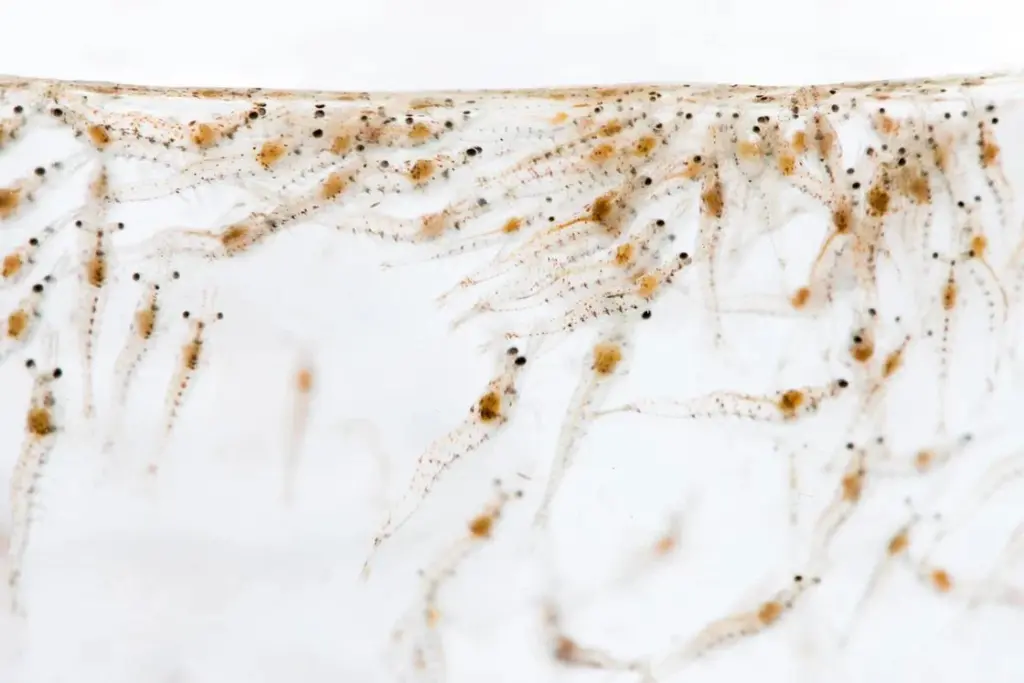
Through its selection scheme and larvae culture process, PLB is looking to ensure each PL taps into the full genetic potential of the chosen broodstock for rapid growth and disease resistance.
The hatchery produces 100% specific pathogen free (SPF) PLs. Only frozen feeds are used to nurture the shrimp broodstock, and the facility strictly avoids the use of fresh/live feeds.
Leveraging CAT’s advanced statistical models, both organisations are aiming to refine the selection of genetic lines for shrimp that grow quickly and thrive in commercial settings.
CAT’s approach includes the utilisation of molecular markers and the latest technologies to generate genetically-diverse and adaptable lines of shrimp. Its multi-generational selection methods have already demonstrated improvements in both growth rates and survival capabilities in commercial farm conditions.
“Our partnership with CAT is a significant leap forward for PLB and the aquaculture industry in Indonesia. By combining CAT’s robust genetic technologies and selection methodologies with our deep understanding of local needs, we are poised to deliver shrimp post larvae that are not only fast-growing but also increasingly resilient, generation after generation,” PLB Director Henry Wijaya said.
CAT’s Director of Breeding Alejandro Gutierrez said the aquaculture research and development company is “thrilled” to be bringing its scientific expertise to the table through the collaboration with PLB.
“By merging CAT’s advanced statistical modelling and molecular techniques with PLB’s local industry insights, we aim to produce shrimp lines that are not just fast-growing but are adapted to the unique conditions of Indonesian aquaculture. This is science and local knowledge coming together to make a real impact,” he said.
Related Articles
 AQUACULTURE
 AQUACULTURE
 AQUACULTURE