





US urges EU CATCH reforms
US seafood organisations are calling for EU reforms to CATCH, citing costly delays and complex supply-chain requirements
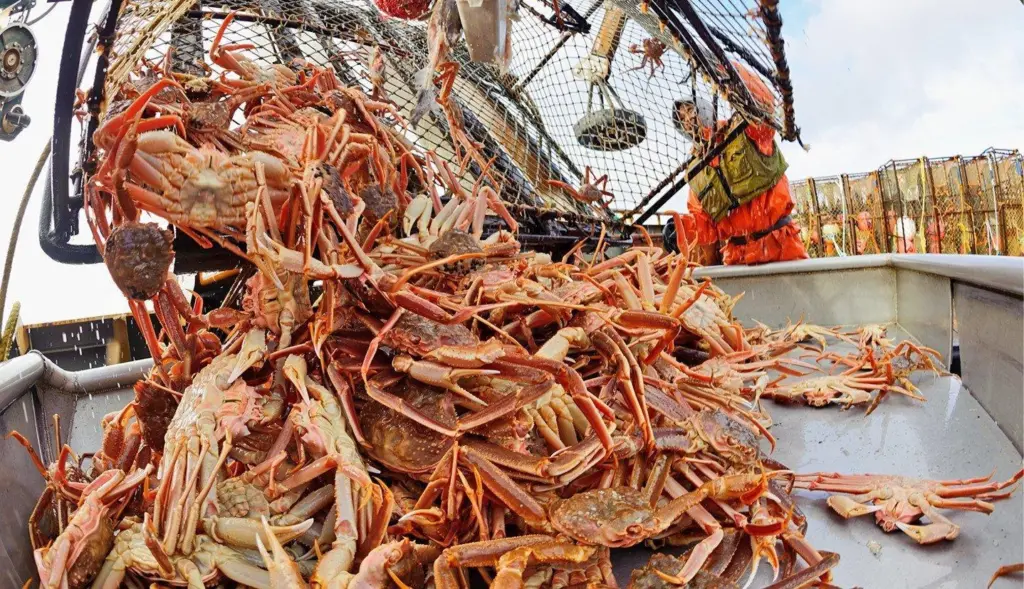
Four US seafood industry organisations are calling for reforms to the European Union’s CATCH digital seafood traceability system, arguing that current requirements are creating unnecessary barriers for legally harvested seafood.
The Pacific Seafood Processors Association (PSPA), Alaska Seafood Marketing Institute (ASMI), At-sea Processors Association (APA) and National Seafood Association said the system must better reflect complex seafood supply chains while continuing to combat illegal, unreported and unregulated (IUU) fishing.
“We share the European Union’s goal of preventing IUU fishing and ensuring that seafood entering the European market is legally harvested. But CATCH needs to reflect how seafood is actually harvested, processed and marketed,” said Julie Decker, president of PSPA.
A new whitepaper, ‘Advancing EU Efforts to Combat IUU Fishing: Why CATCH Needs Reforms’, outlines concerns over implementation and proposes changes. The groups said approximately 16,000 tonnes of Alaska seafood were affected by documentation problems involving two shipments through the Netherlands, generating hundreds of thousands of dollars in direct costs for a logistics company.
In a separate case in Denmark, approximately 600 tonnes of US seafood were reportedly held amid conflicting guidance over CATCH documentation.
“These are not theoretical concerns,” said Jeremy Woodrow, executive director of ASMI. “When thousands of tons of legally harvested seafood are sitting in storage and businesses face significant additional costs, it is clear that implementation needs to be improved.”
The organisations are urging the EU to introduce a risk-based approach, allow aggregation at commercially meaningful points such as processing facilities, revise mass-balance requirements and improve system interoperability.
They are also calling for an extended implementation timeline to enable fishery-specific testing involving authorities, industry and importers.
“The objective should be better detection of illegal seafood, not simply more paperwork for legal seafood,” said Matt Tinning, chief executive of APA.
Seafood Europe also backed reforms, saying CATCH must remain workable for businesses and consumers across international supply chains.
Related Articles
 SUSTAINABILITY
 FISHERIES
 FISHERIES