


UK fishing and offshore sectors unite
A new set of guidelines aimed at easing long-running tensions between the fishing industry and the offshore renewables sector has been published today by the Fishing Liaison with Offshore Wind and Wet Renewables Group (FLOWW).
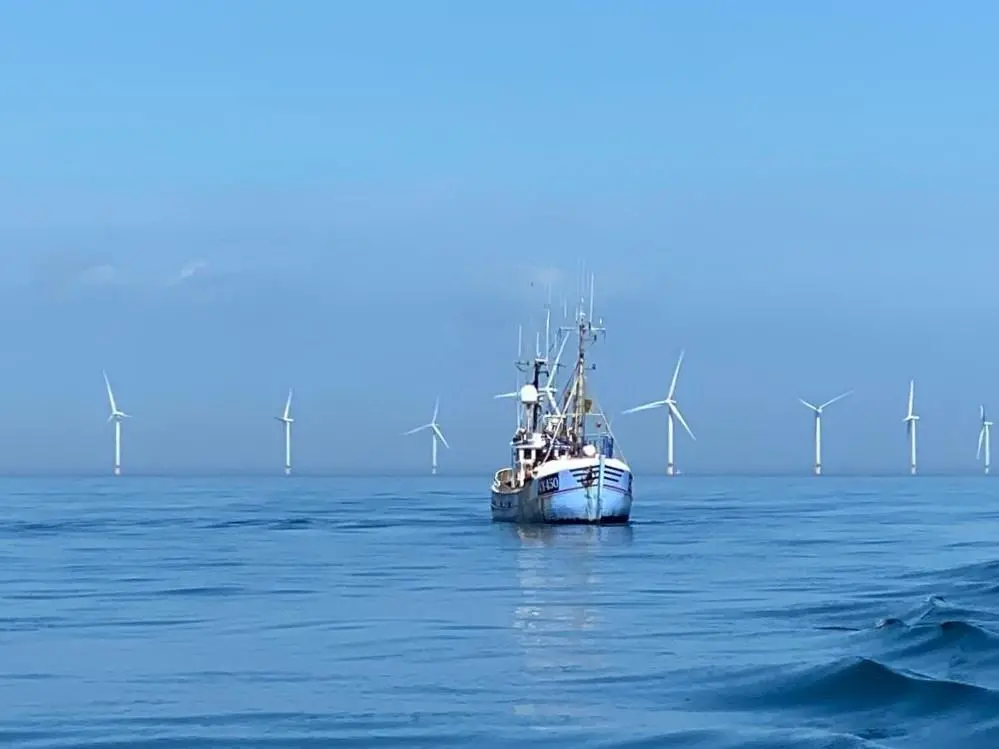
The updated Best Practice Guidance replaces the previous 2014 edition and arrives at a time when offshore wind development has expanded significantly, increasing competition for space at sea.
The document lays out when and how developers should liaise with fishing interests, and what information should be shared, in an effort to limit disruption to fishing operations and improve safety.
FLOWW, which was established in 2002 and is supported by The Crown Estate, says the update reflects both the growing pressures on UK waters and a better understanding of the impacts of wind farms on fishing activity.
“Producing the second revised guidance has been much more difficult than the first iteration in 2014,” said Colin Warwick, who chairs FLOWW. “We know more about the potential impacts of offshore wind than we did 20 years ago. This new guidance is a very important step forward.”
With more industries vying for marine space, The Crown Estate’s Sion Roberts said the need for cooperation is only increasing. “Our seaspace is becoming an increasingly busy environment,” he said, adding that the guidance should help maintain ‘beneficial dialogue’ between sectors.
Fisheries Minister Dame Angela Eagle framed the update as part of a broader push towards clean energy while maintaining support for coastal communities. “It shows how the sectors can work together hand-in-hand for their mutual benefit,” she said.
Industry figures, including the NFFO’s Mike Cohen and RenewableUK’s Kat Route-Stephens, described the new guidance as overdue, given the pace of offshore wind expansion. ABPmer’s Suzannah Walmsley said it took ‘collaboration and compromise’ to get the document over the line.
Related Articles
 SUSTAINABILITY
 FISHERIES
 FISHERIES