


Seas At Risk: New small-scale fisher guidelines can make quota allocations fairer
The European Commission’s newly released guidelines aimed at helping strengthen support for small-scale fishers in the Union represent a crucial opportunity for member states to make the national allocation of fishing quotas fairer, more transparent and environmentally friendly, according to Seas At Risk.
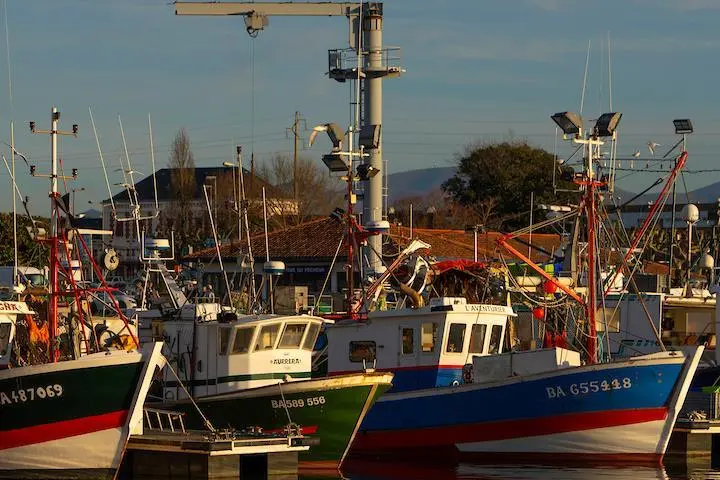
As reported by WF, the guidelines urge EU member states to make full use of the flexibility offered by the EU Common Fisheries Policy and encourage a transparent allocation of national fishing quotas as well as the incorporation of environmental and socio-economic criteria.
Seas At Risk said this approach is crucial to correct the current imbalance in how fishing opportunities are shared across the EU.
“For decades, small-scale and low-impact fishers, the backbone of European coastal communities and drivers of the transition towards more sustainable fishing practices, have been disadvantaged by a non-transparent system that relies almost exclusively on historic criteria and catch volume,” the NGO said in a statement. “As a result, small-scale and low-impact fishers often lack dedicated access to fishing quotas and are sidelined in favour of larger industrial fleets, which receive the bulk of available resources regardless of environmental and societal impacts.”
It also highlighted that the lack of publicly accessible data on quota distribution methods and outcomes prevents accountability, and perpetuates a system where powerful industrial fleets continue to dominate quota distribution.
This imbalance not only threatens coastal communities, but it also undermines efforts to preserve fish populations, it said.
“We call on all EU member states to seize this opportunity: to make the fishing quota allocation system transparent and ensure that decisions support both ocean health and local livelihoods,” said Bruno Nicostrate, Senior Fisheries Policy Officer at Seas At Risk. “If fully implemented, the new approach could be a game-changer, boosting responsible fishing, improving livelihoods of small-scale fishers and supporting thriving coastal communities across Europe. The tools are there, member states should just use them to deliver change.”
Related Articles
 SUSTAINABILITY
 FISHERIES
 FISHERIES