



Scientists demand end to bottom trawling
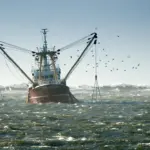
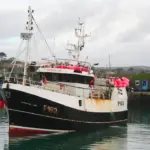
As the third United Nations Ocean Conference begins in Nice, leading marine scientists are urging governments to deliver on long-standing commitments to protect deep-sea ecosystems, especially seamounts, from destructive bottom trawling.
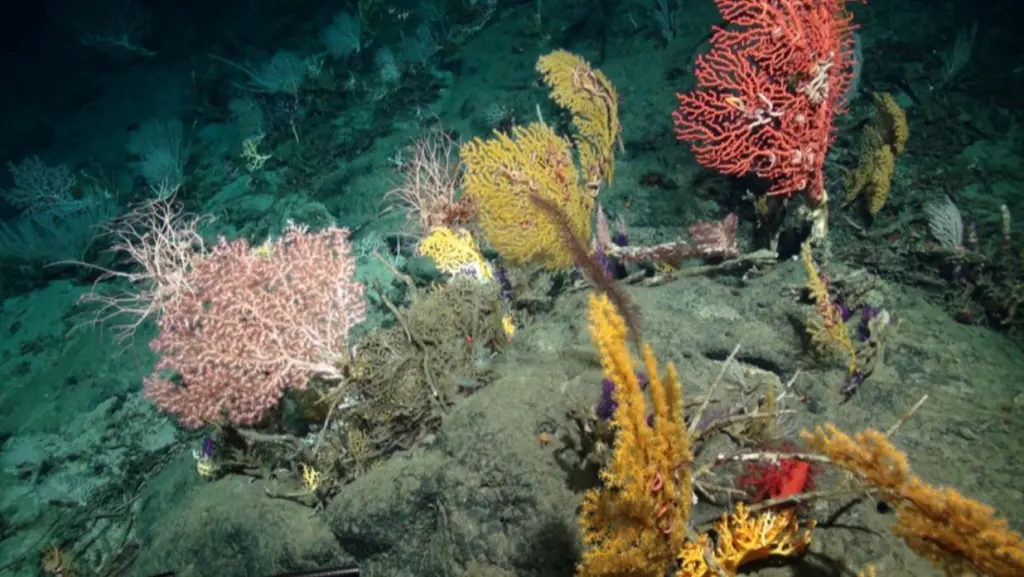
Seamounts – underwater mountains that serve as vital habitats for whales, sharks and countless marine species – are being ravaged by bottom trawling, a practice that scientists say should have ended nearly two decades ago.
Despite a 2006 UN General Assembly resolution calling for the protection of vulnerable marine ecosystems, implementation remains inadequate.
In an open letter released this week, scientists stress the urgent need for governments to enforce these commitments. “We’ve never had more evidence showing how critical seamounts are for ocean health,” said Dr Lissette Victorero, science advisor at the Deep Sea Conservation Coalition (DSCC).
“We also know the damage bottom trawling causes – and how long these ecosystems take to recover.”
The appeal, backed by DSCC, the International Programme on the State of the Ocean (IPSO), and the Marine Conservation Institute, renews a 20-year-old scientific campaign to protect these unique habitats.
Mirella von Lindenfels, director of IPSO, said: “Two decades after the original resolution, words are no longer enough. The deep ocean’s future is on the line.”
Read more: Freediver demands protection for the Mediterranean
While the UN’s Biodiversity Beyond National Jurisdictions Agreement promises stronger protections, scientists say governments can’t afford to wait. Dr Lance Morgan of the Marine Conservation Institute warned: “These ecosystems are older than ancient forests. Protecting them isn’t optional, it’s a global responsibility.”
Related Articles
 SUSTAINABILITY
 FISHERIES
 FISHERIES