


Oceana sues NMFS over seafloor destruction
Oceana, represented by Earthjustice, is taking US federal fisheries managers to court, alleging the agency is failing to protect the Gulf of Alaska seafloor from the destructive effects of bottom trawling.
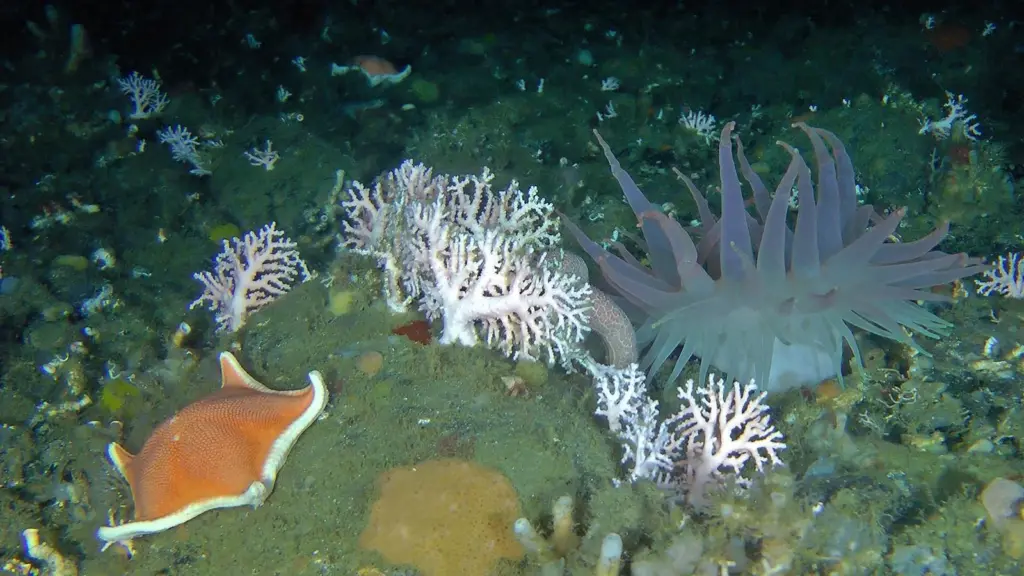
The lawsuit claims the National Marine Fisheries Service (NMFS), along with the North Pacific Fishery Management Council, is ignoring critical environmental considerations, violating the Magnuson-Stevens Fishery Conservation and Management Act and the National Environmental Policy Act.
“NMFS ignored important obligations under both the Magnuson-Stevens Act and NEPA when it failed to adopt meaningful measures to five fishery management plans for the North Pacific Ocean to help protect corals, sponges, and important seafloor habitat from the destructive effects of trawling,” said Charisse Arce, Earthjustice senior attorney.
“There have been massive changes in the North Pacific ecosystem and NMFS must be adopting management measures that proactively conserve and enhance essential fish habitat.”
In 2023, Oceana proposed a plan to the council that aimed to protect 90% of the Gulf of Alaska, safeguarding vital habitats such as sponges and deep-sea corals, while minimally impacting the trawl fishing industry.
Despite evidence and testimony highlighting the destructive nature of trawling, the council and NMFS took no action to conserve these essential habitats, alleges Oceana.
The Magnuson-Stevens Act mandates that fishery managers protect essential fish habitats using the best available science, while NEPA requires thorough environmental impact analysis.
“Deep-sea coral and sponge ecosystems, some of which are hundreds of years old, can be destroyed by just one pass of a bottom trawl,” said Ben Enticknap, Oceana’s Pacific campaign director and senior scientist.
“As has been demonstrated off Alaska’s Aleutian Islands, by using the best available science and being proactive, fishery managers can protect ocean habitats while still allowing for trawling. Unfortunately, for the past decade, that’s not been happening.”
Related Articles
 SUSTAINABILITY
 FISHERIES
 FISHERIES