




Lower volume, less value for Icelandic fisheries
Iceland’s fishers caught 993,602 tonnes of fish and shellfish in 2024 with a total first-sales value of less than ISK 171.2 billion, representing year-on-year decreases of 28% and 13%, respectively, according to new analysis compiled by Statistics Iceland.
Statistics Iceland advised the volume decrease was mainly due to there being no capelin landings last year, compared with 325,749 tonnes in 2023. Consequently, the pelagic catch decreased by 42% to 548,515 tonnes, with 134,763 tonnes of herring, 89,530 tonnes of mackerel and 324,217 tonnes of blue whiting.
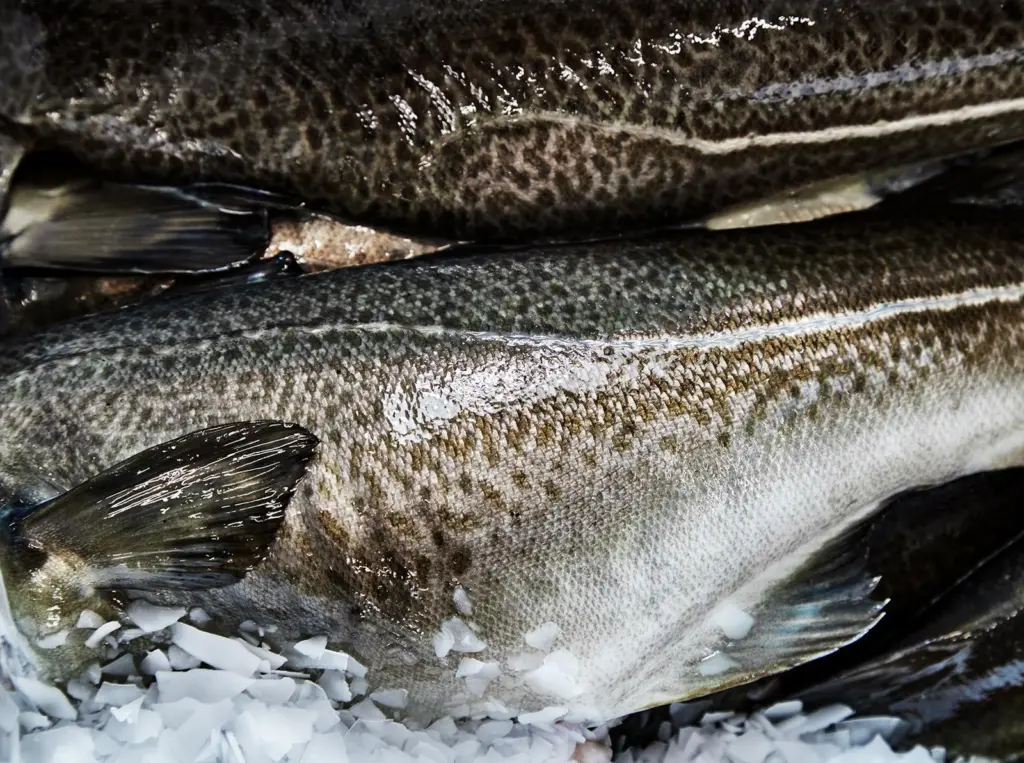
There was a 4% rise in the demersal catch to 420,238 tonnes. This included 221,677 tonnes of cod, 83,657 tonnes of haddock, 38,422 tonnes of saithe and 41,065 tonnes of redfish. The flatfish total also lifted 2% to 21,066 tonnes, but the year’s shellfish catch fell by 36% to 3,705 tonnes.
With regards to first sales, the demersal catch was valued at ISK 128.7 million (up 2% year-on-year), with a 2% lift in the cod value to ISK 82.5 billion and haddock rising 13% to ISK 20.9 billion.
Pelagic earnings halved to less than ISK 29.2 billion, with herring and mackerel generating sales of ISK 9.7 billion and ISK 7.4 billion, respectively. The year’s blue whiting catch was valued at ISK 12 billion.
Meanwhile, flatfish generated ISK 12.5 billion (up 2%) and the shellfish catch was valued at ISK 824 million (down 29%).
Related Articles
 SUSTAINABILITY
 FISHERIES
 FISHERIES