


Iceland’s September catch rises 34% on last year
A large blue whiting catch helped increase the total volume of fish landed by Iceland’s fishing fleet in September 2025 by 34% or more than 33,000 tonnes year-on-year to 130,150 tonnes, according to preliminary figures for the month gathered by Statistics Iceland.
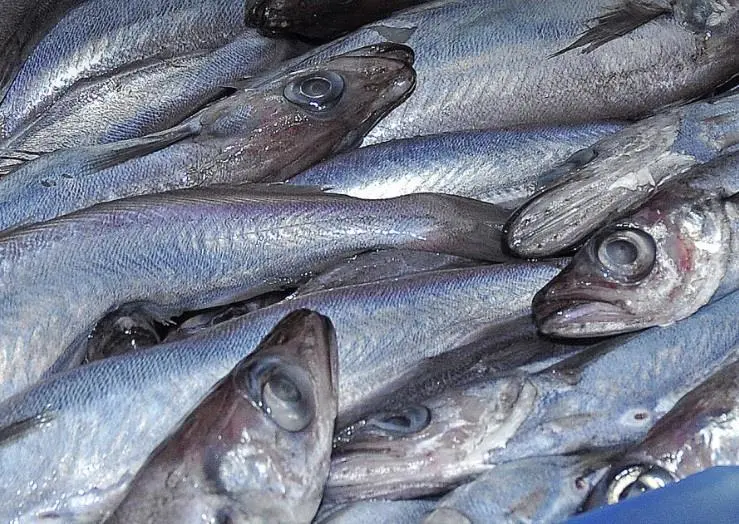
The blue whiting volume increased from just 58 tonnes last year to 35,607 tonnes – contributing to a pelagic total of 98,304 tonnes (up 65%). This total also included 58,331 tonnes of herring (+1%) and 4,366 tonnes of mackerel (+174%). No capelin landings were recorded last month.
Demersal landings decreased by 14% compared with September 2024 to 30,815 tonnes, with cod, haddock and redfish catches falling 14%, 16% and 29%, respectively, to 17,591tonnes, 6,389 tonnes and 2,360 tonnes. The saithe catch, meanwhile, lifted 8% to 2,874 tonnes.
At the same time, Iceland’s flatfish volume fell 36% to 1,316 tonnes, and its shellfish catch slipped 13% to 376 tonnes.
The data also found the October 2024 to September 2025 catch totalled 1,038,824 tonnes, which was 4% more than in the previous 12-month period. It found decreases in the demersal, flatfish and shellfish fisheries, which amounted to 420,504 tonnes (-1%), 21,178 tonnes (-9%) and 3,389 tonnes (-21%), respectively.
There was a 2% dip in the 12-month cod catch at 220,272 tonnes, while the haddock and saithe totals slipped 1% and 8% year-on-year to 82,951 tonnes and 37,255 tonnes, respectively. The redfish volume increased 7% to 42,977 tonnes.
Iceland’s pelagic catch for the period increased by 8% to 593,577 tonnes, thanks to a 45% lift in the mackerel volume, which reached 129,621 tonnes, and a 1% rise in blue whiting at 309,855 tonnes. The herring total fell 1% to 149,333 tonnes.
Related Articles
 SUSTAINABILITY
 FISHERIES
 FISHERIES