


Icelandic landings down 11% in January
Drops in the pelagic, flatfish and shellfish catches led the total volume of fish landed by Iceland’s fishing fleet in January 2025 to fall by 11% or more than 9,300 tonnes year-on-year to 78,630 tonnes, according to preliminary figures for the month gathered by the country’s Directorate of Fisheries.
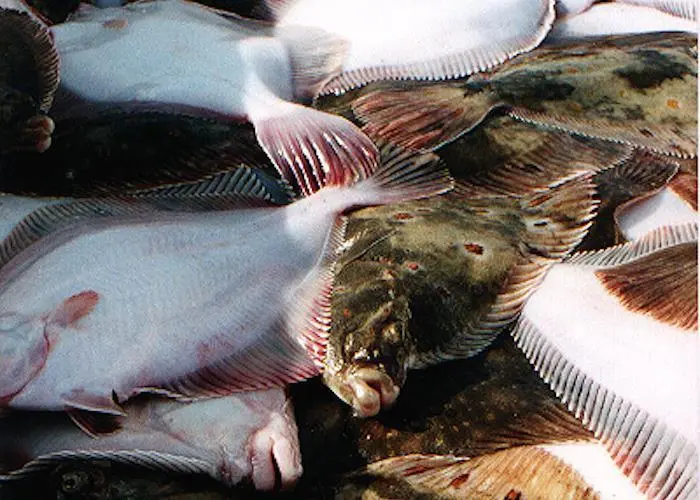
Last month’s demersal landings increased 6% compared with January 2024 at 34,659 tonnes, with haddock and redfish catches rising 25% and 35% respectively, to 7,298 tonnes and 3,530 tonnes. Meanwhile, the cod volume decreased 1% to 19,026 tonnes, and saithe dropped 30% to 2,117 tonnes.
Iceland’s pelagic volume decreased 20% year-on-year to 42,560 tonnes, with a 33% lower blue whiting catch (34,819 tonnes). The herring catch increased from 1,191 tonnes in January 2024 to 7,741 tonnes, while no capelin or mackerel were recorded.
Meanwhile, Iceland’s flatfish volume in January was down 22% to 1,328 tonnes and its shellfish catch dropped 36% to 74 tonnes.
The Directorate of Fisheries’ data also determined the February 2024 to January 2025 catch totalled 984,616 tonnes, which was 27% less than in the previous 12-month period. It found decreases in the pelagic, flatfish and shellfish fisheries, amounting to 534,405 tonnes (-42%), 24,008 tonnes (-1%) and 3,662 tonnes (-36%), respectively.
Iceland’s demersal catch for the period increased 5%, thanks largely to a 22% upturn in the haddock volume, which reached 85,201 tonnes. Cod catches totalled 221,517 tonnes – up 1% year-on-year.
Related Articles
 SUSTAINABILITY
 FISHERIES
 FISHERIES