


Icelandic fisheries production down 22% in May
A sharp drop in pelagic catches saw the total volume of fish landed by Iceland’s fishing fleet fall by 22% or more than 19,000 tonnes year-on-year to 68,190 tonnes in May 2025, according to preliminary figures for the month gathered by the country’s Directorate of Fisheries.
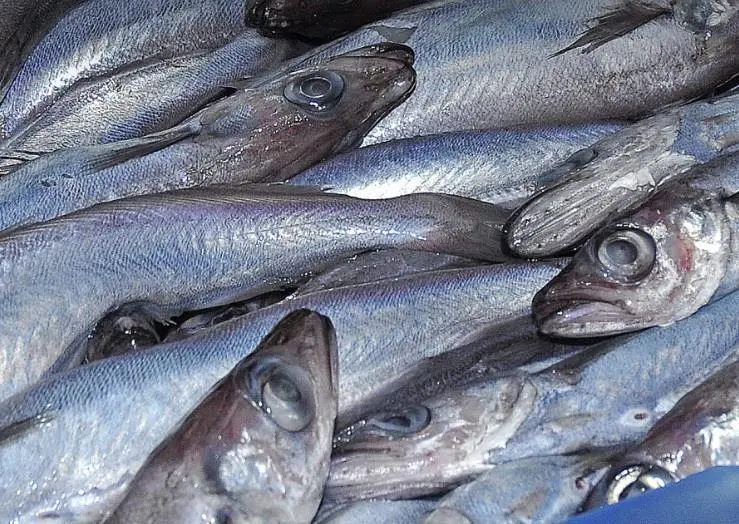
Iceland’s pelagic volume slumped 41% year-on-year to 22,232 tonnes. This was almost entirely made up of its blue whiting catch, with the mackerel catch decreasing by 73% compared with May 2024 to just 9 tonnes.
No capelin or herring landings were recorded.
Last month’s demersal landings decreased by 7% compared with May 2024 to 42,091 tonnes, with cod, haddock, saithe and redfish catches falling 2%, 19%, 11% and 3%, respectively, to 21,725 tonnes, 6,498 tonnes, 4,682 tonnes and 4,067 tonnes.
Meanwhile, Iceland’s flatfish volume in May was down 18% to 3,475 tonnes, and its shellfish catch increased 28% to 392 tonnes.
The Directorate of Fisheries’ data also determined the June 2024 to May 2025 catch totalled 954,315 tonnes, which was 12% less than in the previous 12-month period. It found decreases in the pelagic, flatfish and shellfish fisheries, which amounted to 502,823 tonnes (-21%), 21,965 tonnes (-9%) and 3,350 tonnes (-38%), respectively.
Iceland’s demersal catch for the period increased 2%, thanks largely to a 8% lift in the haddock volume, which reached 84,620 tonnes. Its cod catches totalled 221,581 tonnes – on par with the previous 12 months.
Related Articles
 SUSTAINABILITY
 FISHERIES
 FISHERIES