



Iceland catching less fish this year but its value increases
A total 1,116,281 tonnes of fisheries products were caught by Iceland’s fishing fleet in the first three quarters of this year, representing a decrease of 4% on the corresponding period of 2022, new industry figures from Statistics Iceland confirm. These landings generated a first-sales value total of almost ISK 154.5 billion, up 3% or almost ISK 5 billion.
In terms of fishery categories, the fleet’s demersal landings in the opening nine months totalled 298,357 tonnes, which was 10% lower than a year previously, with the value slipping 7% to ISK 94.6 billion. Cod accounted for 159,723 tonnes and ISK 59.6 billion, with the volume and value falling 13% and 6% respectively.
At the same time, 48,796 tonnes of haddock earned almost ISK 14 billion, 32,373 tonnes of saithe made ISK 8.2 billion, and 30,169 tonnes of redfish generated ISK 8.2 billion.
The period’s flatfish catch increased 15% in volume to 17,155 tonnes, earning ISK 10.1 billion (+27%), while its shellfish landings were down 2% to 4,918 tonnes, with a value of over ISK 1 billion (+1%).
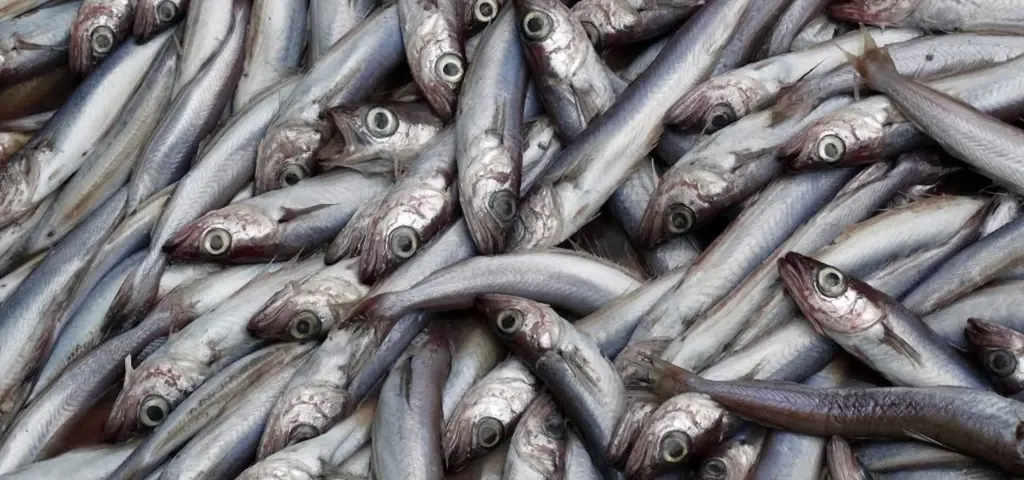
Despite a bumper blue whiting catch of 231,580 tonnes (+45%), pelagic landings fell 3% to a total of 795,845 tonnes. However, the category’s value increased 23% to almost ISK 48.7 billion. Of this, blue whiting contributed close to ISK 8.3 billion (+52%).
The fleet’s capelin catch of 325,749 tonnes was 27% less than in the previous year, with its value down 3% to less than ISK 18.8 billion. Its value soared 80% to ISK 19.5 billion. Also in the category, the herring volume climbed 22% to 99,966 tonnes, valued at ISK 9.1 billion, while mackerel was up 7% in volume and over 30% in value to 138,550 tonnes and ISK 12.6 billion.
Related Articles
 SUSTAINABILITY
 FISHERIES
 FISHERIES