





Digital documentation key to combatting IUU fishing
A new report has highlighted the urgent need for harmonised and digitalised catch documentation schemes as essential tools in the fight against illegal, unreported, and unregulated (IUU) fishing.
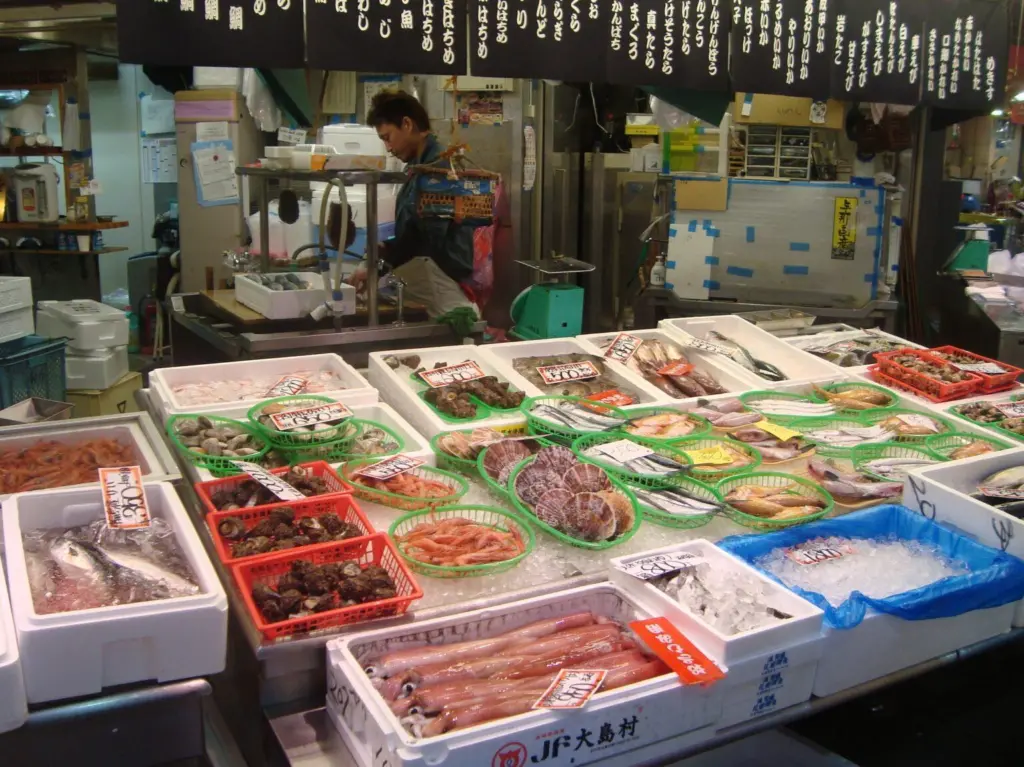
As more market states implement import controls requiring seafood traceability from capture to border, inconsistent data requirements risk creating enforcement loopholes.
The report from the EU IUU Fishing Coalition compares the effectiveness of import control schemes in the EU, US, Japan, and South Korea – nations accounting for over 60% of global seafood imports. These controls are assessed using 17 key data elements (KDE), which help trace the legality of catches by identifying who fishes what, where, when and how.
South Korea stands out as the only country to meet all 17 KDEs, though only for three species. The EU will reach 16 KDEs by January 2026 with the introduction of its upgraded catch certificate and CATCH IT digital system. Meanwhile, the US and Japan require just 12 KDEs, omitting key data such as IMO numbers and radio call signs.
The report warns that diverging national systems could enable IUU-caught seafood to enter markets undetected. To prevent this, the coalition urges global harmonisation, full adoption of the 17 KDEs, expansion to all wild species, stronger digital systems and multilateral cooperation through regional fisheries management organisations.
Unified, digital, and transparent systems are essential, the report concludes, to close loopholes and secure global seafood supply chains from illegal practices.
Related Articles
 SUSTAINABILITY
 FISHERIES
 FISHERIES