



Buoys to be reused for tuna fishing in the Atlantic
Spanish technology company Satlink has launched the first programme for the reuse of smart buoys for tropical tuna fishing in the Atlantic Ocean with NGO Project Biodiversity of Cape Verde. The collaboration between the two entities is part of Project ReCon, the international initiative founded by the Spanish company and the Australian NGO Tangaroa Blue Foundation.
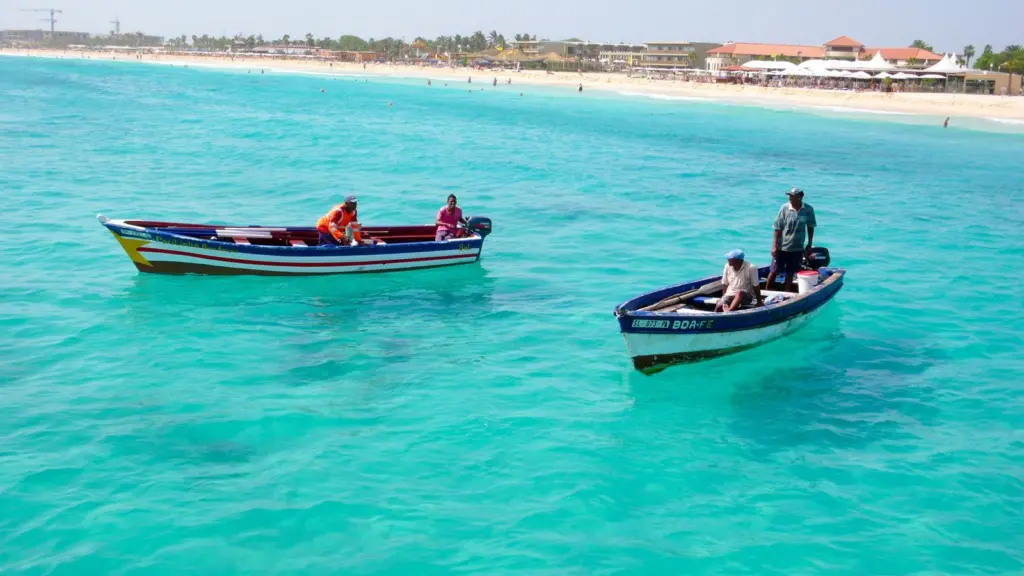
Dedicated to the conservation of marine ecosystems and the protection of protected species and habitats, Project Biodiversity joins the project with the aim of reconditioning these buoys to enhance shark monitoring, signal protected marine areas or promote on-board safety, among other potential uses.
Project ReCon is now present in nine countries and the three main oceans (Pacific, Indian and Atlantic). This project, launched by Satlink in 2022, has set up an international collaboration network between fishing companies around the world and local environmental organisations to recover, recondition and reuse these buoys for scientific and environmental purposes.
In addition to Cape Verde, ReCon in present in Australia, Papua New Guinea, Micronesia, USA (Palmyra), Marshall Islands, Cook Islands, Wallis and Futuna and New Caledonia.
The buoys incorporate echo sounders that detect the abundance of fish under the device, making them ideal for being reused in small-scale scientific studies, as well as marking and monitoring marine debris or preventing natural disasters.
“We are excited to welcome our new local partner, Project Biodiversity, to ReCon,” Satlink Director of Science and Sustainability Kathryn Gavira said. “The conservation work, environmental awareness, and sustainability promotion that they undertake are entirely aligned with Satlink and our pioneering circular economy project, and we look forward to the challenges of reconditioning the buoys for potential new uses.”
“By joining the project, we are not only contributing to prevent these devices from becoming technological waste as a result of ocean currents, but it will also also allow us to use reconditioned buoys to locate the scientific equipment we use in shark monitoring, or to help us promote the on-board safety of those fishing in the area, among other things,” Project Biodiversity Executive Director Albert Taxonera said.
Since starting in Australia with founding partner Tangaroa Blue Foundation, Project ReCon has become an important fishing sustainability initiative, with the collaboration of other leading environmental organisations such as The Nature Conservancy (TNC) and The Pacific Community (SPC).
More than 100 vessels from 22 companies and organisations, such as Albacora, Echebastar, Inpesca, OPAGAC/AGAC, Sapmer, Bolton Food Group, Cape Fisheries, Caroline Fisheries Corporation, Trimarine, Oakcity Tuna Fishing Corporation, Hartswater, and US Pacific Tuna Group are participating in the project.
ReCon was recently awarded the Tuna Awards 2023, granted by Anfaco-Cecopesca and the Spanish Ministry of Agriculture, Fisheries and Food for its pioneering nature and its contribution to the fishing industry.
Related Articles
 SUSTAINABILITY
 FISHERIES
 FISHERIES