






Brussels simplifies, harmonises fisheries control rules
The European Commission has confirmed the adoption of detailed rules on fisheries control and enforcement, with the aim to harmonise procedures, simplify and reduce administrative burden for EU countries and operators.
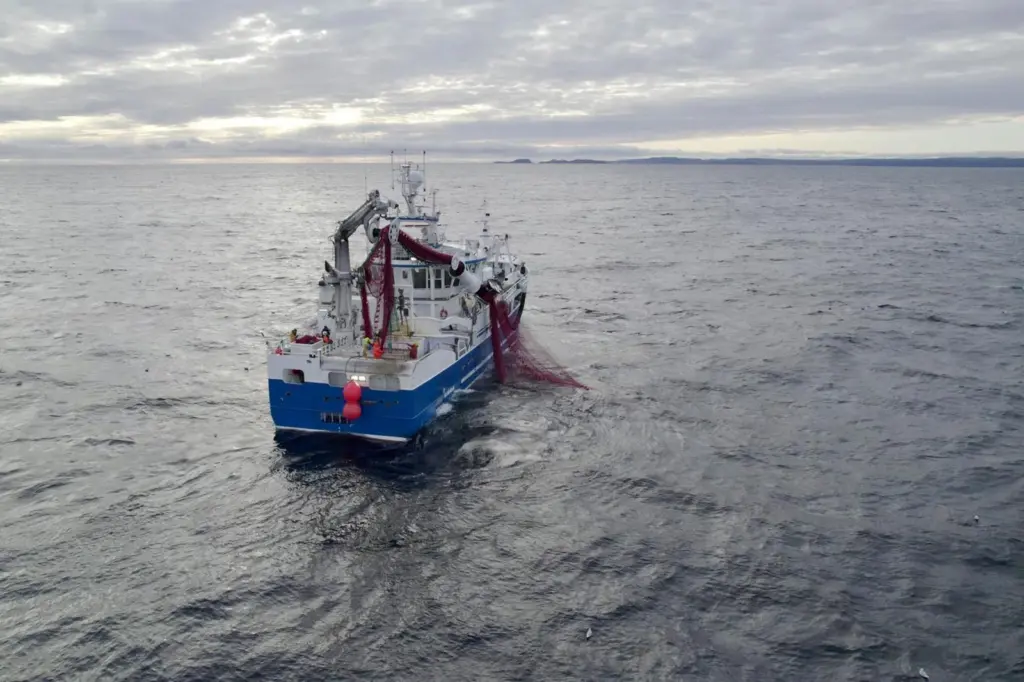
Seeking to prevent overfishing and ensure fairness among fleets, the new rules will modernise the way fishing activities are controlled, for EU vessels and those fishing in EU waters and foster consistent enforcement across the EU.
Preparation of these rules was done in close cooperation with EU member states, and included feedback from fishers, industry representatives, regional authorities and NGOs.
The Commission highlighted that two legislative acts detailing these rules implement several new features introduced by the revision of the Fisheries Control Regulation which entered into force in January 2024. They harmonise and simplify rules on:
- Format and data exchange: this concerns the frequency of transmission, and the data required, with lighter requirements for small-scale vessels. In addition, the progressive implementation of a fully digitalised recording and reporting system of catches simplifies the work of control authorities and operators, providing real-time information to better manage stock and control fishing activities
- Vessel tracking: the rules define technical requirements for vessel monitoring devices, the frequency of transmission, and the content of vessel position data. This introduces more flexibility to ship masters in case of technical failures or when the devices are not functioning
- Inspection protocols and digital inspection reports: procedures for inspectors and operators are streamlined, with a common template allowing faster reporting and easier data validation and cross-checking between member states
- National registration of penalty points for masters: this promotes a level playing field across the EU for serious infringements of the common fisheries policy
- The marking of fishing gears: the rules provide flexibility for certain labels requirements, and specifically for vessels under 15 metres operating close to the shore with passive gears. A label is an identifier of the gear that relates it to the vessel
The new rules will apply from 10 January 2026, with transitional arrangements for certain control provisions that will become applicable gradually by 2028.
According to the Commission, this phased approach aims to ensure a smooth adaptation process for member states and operators.
Related Articles
 SUSTAINABILITY
 FISHERIES
 FISHERIES