


Brussels agrees western Med plan for 2025
The permanent phase of the European Commission’s Multiannual Plan (MAP) for the western Mediterranean will officially begin on 1 January 2025, following an agreement by fisheries ministers to continue reducing fishing effort for trawlers to address mortality concerns.
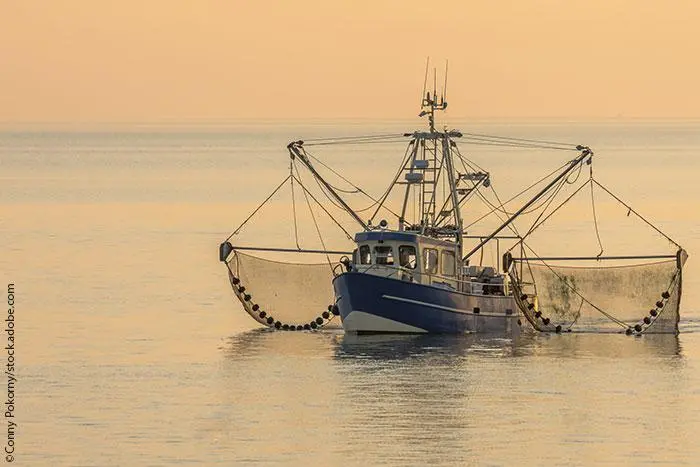
As part of the agreement, the compensation mechanism has been expanded, ensuring fish stock recovery while providing support to the fishing sector. European funding will also help in the transition to more sustainable fisheries practices.
“It was important to reach an agreement that is both balanced and responsible – preserving fishers’ livelihoods in the long term and improving the chances for stock recovery,” said Costas Kadis, Commissioner for Fisheries and Oceans.
“I would like to sincerely thank fishers for their remarkable efforts over the last years. Now, with the compensation mechanism, fishers in the Western Mediterranean can benefit from a substantial increase in fishing days if they commit to selectivity, closure areas and innovative fishing gears.”
New sustainability measures will provide additional fishing days if applied. Key species, including European eel and red coral, will see specific catch limits and conservation strategies.
For European eel, a six-month closure and recreational fishing ban will remain in place, alongside glass eel catch limits and restrictions on fishing gears.
The agreement also continues the implementation of several General Fisheries Commission for the Mediterranean MAPs, including catch limits for common dolphinfish and deep-water shrimps in the Mediterranean. Fishing efforts for hake in the Strait of Sicily and blackspot seabream in the Alboran Sea will also be further reduced.
In the North-East Atlantic, 13 fishing opportunities were set in line with the Commission’s maximum sustainable yield advice, with increases for certain species including megrim and Norway lobster, but reductions for others, such as horse mackerel and Norway lobster in the Bay of Biscay.
The EU also secured fishing agreements with Norway, the UK and other coastal states, ensuring over 1.24 million tonnes of fishing opportunities worth nearly €2.53 billion for 2025.
Additionally, new long-term measures were introduced for small pelagic species in the Adriatic and Black Sea, including catch limits for anchovy and sardines.
The agreement also includes sustainability measures for demersal stocks and turbot quotas, rewarding efforts towards responsible fisheries management.
Related Articles
 SUSTAINABILITY
 FISHERIES
 FISHERIES