






Zambian farmers benefiting from smallholder aquaculture
A new study reveals for the first time substantial benefits for Zambian farmers from adopting smallholder aquaculture. The research, published in Agriculture & Food Security, provides evidence of how fish farming diversifies livelihoods and improves food and nutrition security in rural areas.
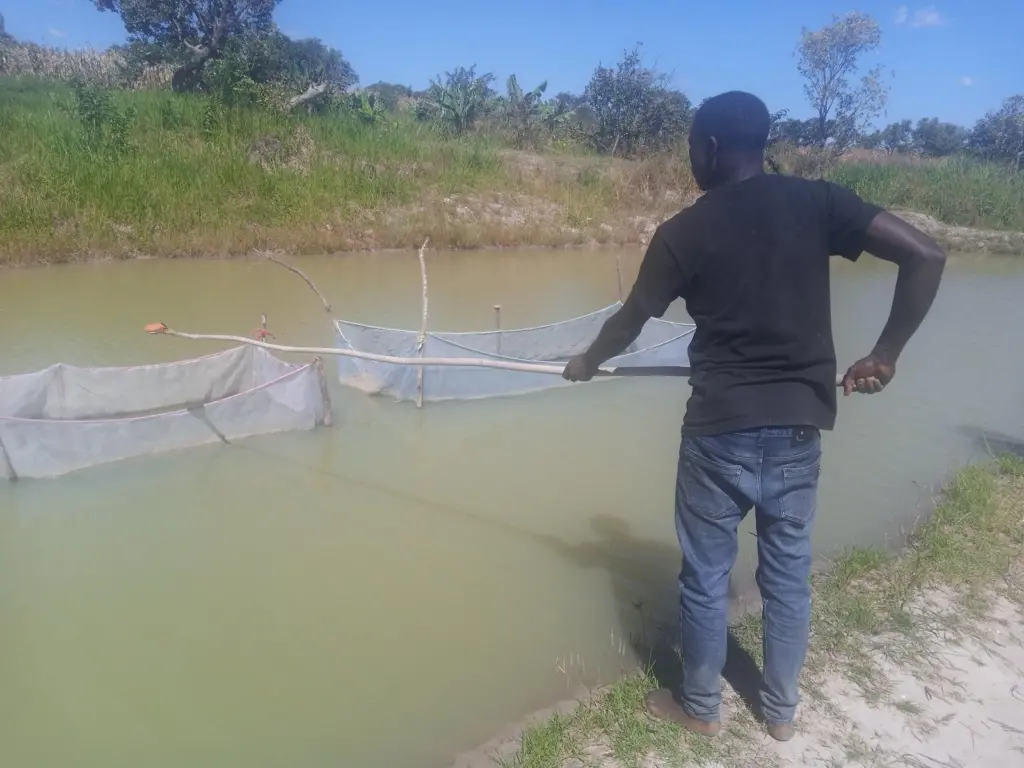
“For the first time our study in northern Zambia shows that smallholder aquaculture can be a game-changer for local farmers,” said Alexander Kaminski, who undertook the research for international organisation WorldFish. “By integrating fish farming into their agricultural practices, households not only diversified their income sources but also significantly improved their dietary variety and overall food security.”
The research compared households with and without fishponds, demonstrating that those engaging in fish farming experienced a noticeable enhancement in their livelihoods. These benefits extended beyond mere income generation, leading to a richer, more nutritious diet and a more resilient agricultural system.
Shakuntala Thilsted, CGIAR Director of Nutrition, Health and Food Security and WorldFish Global Lead for Nutrition and Public Health at the time of the research highlighted the implications of the findings: “This study provides clear evidence that fish farming is an invaluable component in the fight against food and nutrition insecurity in Africa. It provides evidence that nutrition-sensitive homestead aquaculture can enrich diets and create sustainable farming systems that benefit entire communities.”
The study’s results are significant, showing that food and nutrition security from aquaculture arrives via three pathways, farmers selling fish for money to afford a better diet, eating fish from ponds to have access to a high-quality sources of protein and micronutrients, and using the pond within an integrated farming system that allows for diversification into other crops.
According to WorldFish, the results of this study offer a path forward for policymakers and development agencies looking to improve rural economies and nutrition in developing regions. It underscores the value of looking beyond traditional agricultural methods and embracing more integrated, diversified farming approaches.
Related Articles
 BUSINESS & FINANCE
 AQUACULTURE
 ICELANDIC FISHERIES EXHIBITION