



Korea opens land-based salmon farm
South Korea has opened its first land-based Atlantic salmon farm, marking a significant milestone in domestic aquaculture.
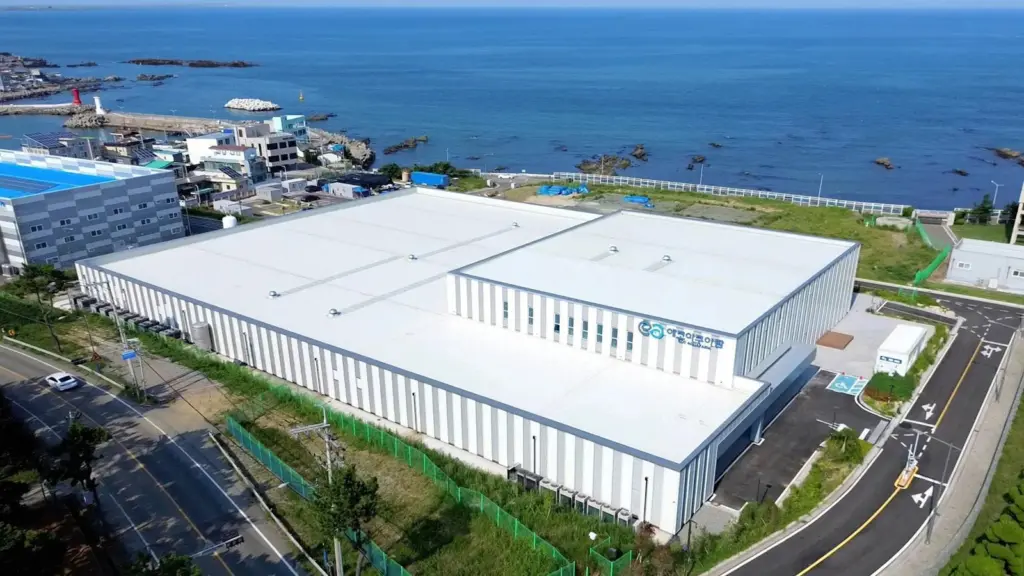
Developed by GS Engineering & Construction and operated by its subsidiary Eco Aquafarm, the facility is located at Pukyong National University’s Fisheries Science Institute in Gijang-gun, Busan.
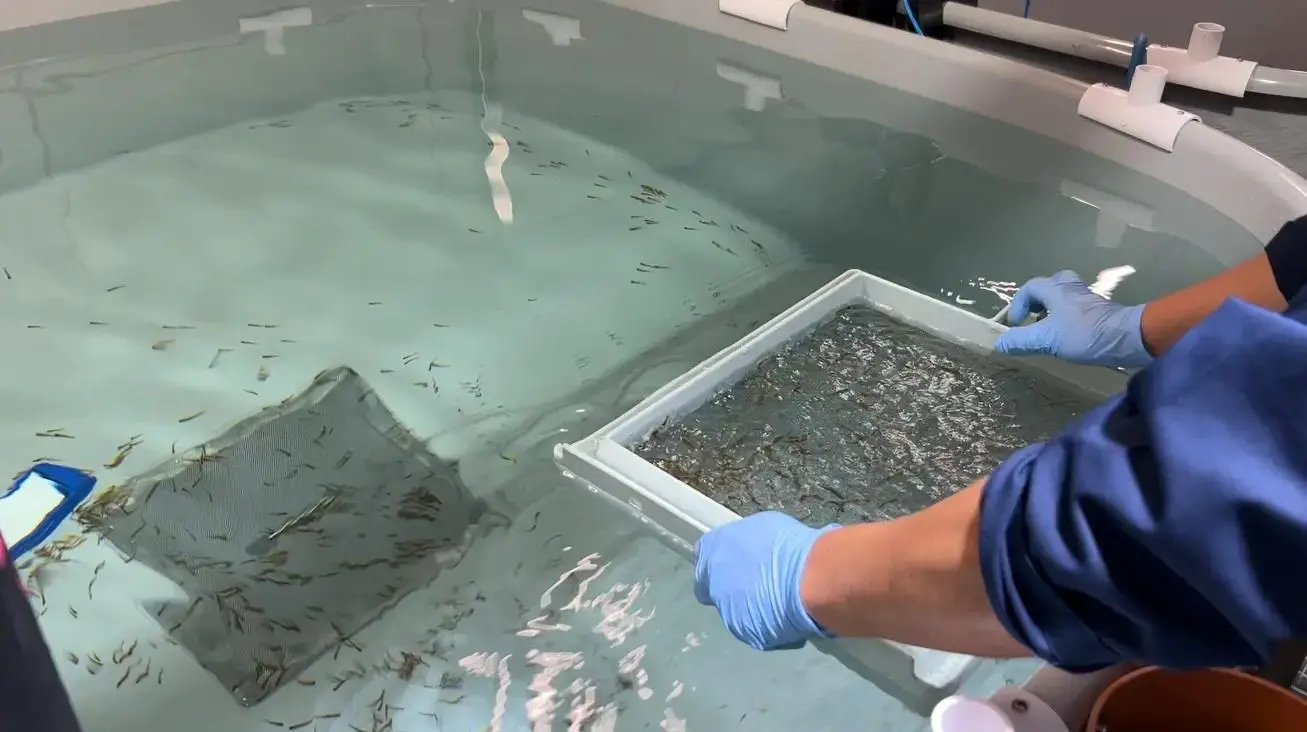
Using recirculating aquaculture system (RAS) technology from Norway’s AKVA group, the Busan Smart Aquaculture Cluster can produce up to 500 tonnes of salmon annually.
“This project marks the start of land-based salmon production in South Korea, and we are pleased to contribute with technology and support,” said Jacob Bregnballe, sales director in Land Based at AKVA group.
“Our collaboration with Eco Aquafarm has included system delivery, training, and advisory services, and we look forward to continuing the cooperation as the facility moves into full production.”
The facility is the first in Korea to adopt a closed-loop water filtration system, enabling 99% water reuse and minimising environmental impact. The first salmon eggs were introduced in late 2024, with harvest expected by the fourth quarter of 2026.
“Through its marine special plant facilities, Eco Aquafarm seeks to realise the public interest in cultivating Atlantic salmon in eco-friendly and forward-looking RAS aquaculture facilities, developing future food to free them from future food security crises,” said Hyou-Sang Jin, chief executive of Eco Aquafarm.
AKVA group has also provided services such as system optimisation and staff training. Eco Aquafarm plans to expand capacity tenfold in a second phase and is seeking participation from global investors.
The project supports South Korea’s Smart Aquaculture Cluster Development Project, an initiative by the Ministry of Oceans and Fisheries to modernise fish farming through digital solutions.
Related Articles
 BUSINESS & FINANCE
 AQUACULTURE
 ICELANDIC FISHERIES EXHIBITION