


Commission shares best practice aquaculture guidance
The Commission has published two staff working documents to support EU Member States in facilitating the sustainable growth of aquaculture.
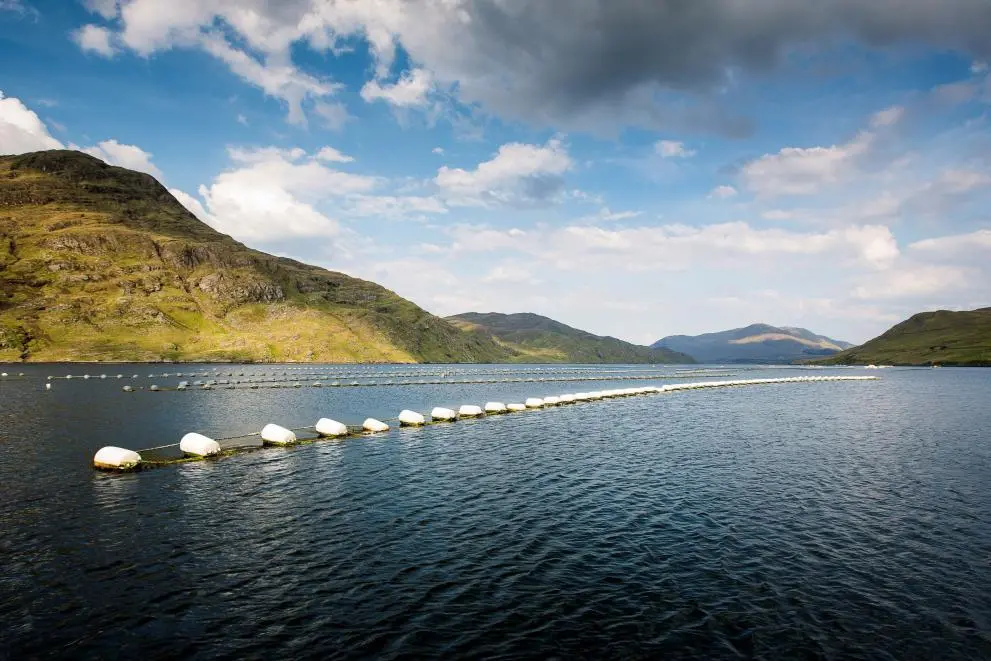
This comes in response to aquaculture producers’ calls to reduce the administrative burden on establishing and operating aquaculture sites in the EU and unlock its true potential.
Despite all of its benefits, aquaculture production in the EU has not grown at the same pace as in other parts of the world. EU aquaculture production only covers 10% of the fish and seafood consumed in the EU and accounts for less than 2% of world production.
Addressing obstacles
The documents address two important obstacles to aquaculture growth across many EU Member States – a complex regulatory framework and unnecessarily difficult administrative procedures, and difficulties in access to space and water necessary for the development of marine aquaculture.
They elaborate on the recommendations included in the EU strategic guidelines and also include Norway and the UK best practice, given their proximity to the EU and the importance of their aquaculture sectors.
The documents were prepared in close consultation with Member States and stakeholders represented by the Aquaculture Advisory Council.
The Commission hopes that these documents will support EU Member States in achieving their objectives, as set out in their own multi-annual national strategic plans for aquaculture and their national programmes implementing the European Maritime, Fisheries and Aquaculture Fund.
Later in 2024, the Commission will publish a document on access to space and water for freshwater and land-based aquaculture.
Aquaculture is a sector that is subject to continuous innovation and technological development. To better meet existing and emerging challenges and support future development, the Commission will continue to publish updates to these documents on the EU aquaculture website.
Through the EU Aquaculture Assistance Mechanism, the Commission will provide dedicated training on these documents to Member States’ authorities responsible for aquaculture development. An e-learning module for each of these documents will also be made available.
Related Articles
 BUSINESS & FINANCE
 AQUACULTURE
 ICELANDIC FISHERIES EXHIBITION