

Cermaq: Uncertainty continues for Canadian aquaculture
Following the Government of Canada’s announcement of five-year term aquaculture licences and a ban on open net-pen salmon farming in British Columbia (BC) coastal waters from 30 June 2029, producer Cermaq has said it is “deeply concerned” about the future of the sector in region.
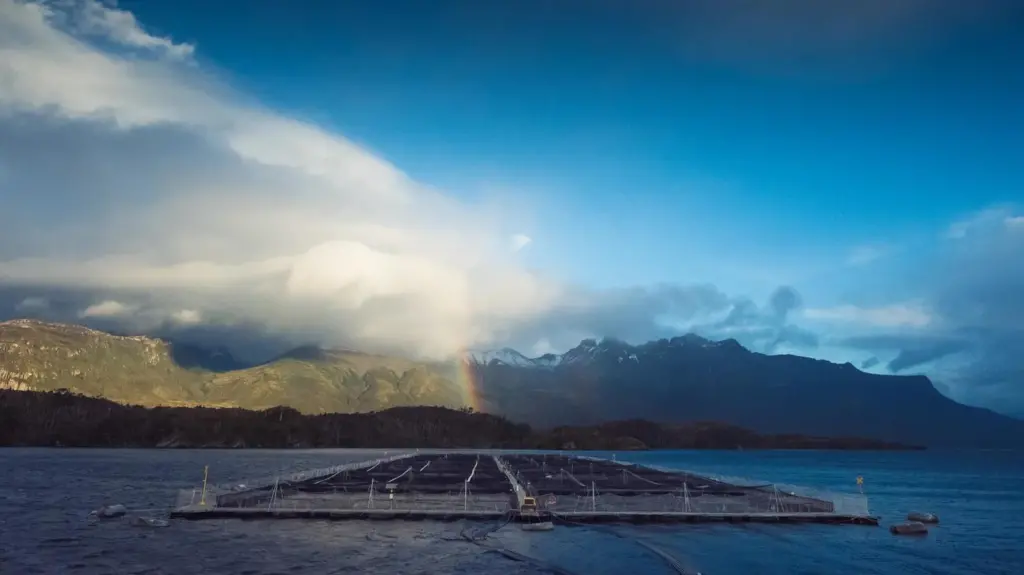
Canada’s government is proposing to move BC salmon farms to closed-containment systems or to land-based facilities.
“The announcement contributes to a growing uncertainty in international investment in British Columbia and Canada. While every other salmon producing country has farming licences of at least 25 years duration or eternal duration, the short licence length in British Columbia continues to be a barrier to significant investment, despite our strong willingness to grow the industry,” Cermaq CEO Steven Rafferty said.
“Throughout our meetings and consultations, we have explained to various departments within the Canadian government why land-based and closed containment-based farming cannot replace current seawater production in a period as short as five years. Unfortunately, our arguments – and those of the entire industry – even science-based facts have been rejected. The objective the government has put forward in front of us cannot be delivered in this timeframe and is in fact, logistically impossible in remote coastal areas due to lack of suitable land or supporting infrastructure.”
Rafferty said Cermaq had been a “responsible and willing partner” throughout the transition process, and warned the government’s decision limits any further opportunities for a modern salmon farming sector in BC.
“We will take time to study the detail of the announcements and consider our next steps. For the moment, our concerns are with our employees, indigenous partners and all the families impacted by the continuous fear of loss of employment” he said.
The company said it has been a challenging period for employees, coastal communities and First Nations. It also noted BC has seen the loss of over 1,500 sector jobs, with salaries and benefits totalling almost CAD 87 million annually disappearing with them.
“Over the last four years, we have worked hard to meaningfully engage in the process set out by the Department of Fisheries and Oceans, in support of a healthy salmon farming sector and healthy wild salmon populations. It is extremely disappointing to see that engagement has not resulted in a better understanding of our company and the realities of the limitations of certain innovation pathways. We are also disappointed to witness a complete lack of proper consultation with our Indigenous partners. This announcement will have significant negative impacts on the rural, coastal and Indigenous communities that we operate and could result in a very real possibility that we will not be able to deliver on our commitments to our First Nation’s protocol agreements and most importantly reconciliation,” remarked David Kiemele, Managing Director, Cermaq Canada.
Cermaq expects the government to prioritise meeting the objectives of the First Nations who have salmon farming in their territories and that the process going forward will support that objective.
Related Articles
 BUSINESS & FINANCE
 AQUACULTURE
 ICELANDIC FISHERIES EXHIBITION