



Investigation: Chinese vessels abusing crew and fishing illegally in Indian Ocean
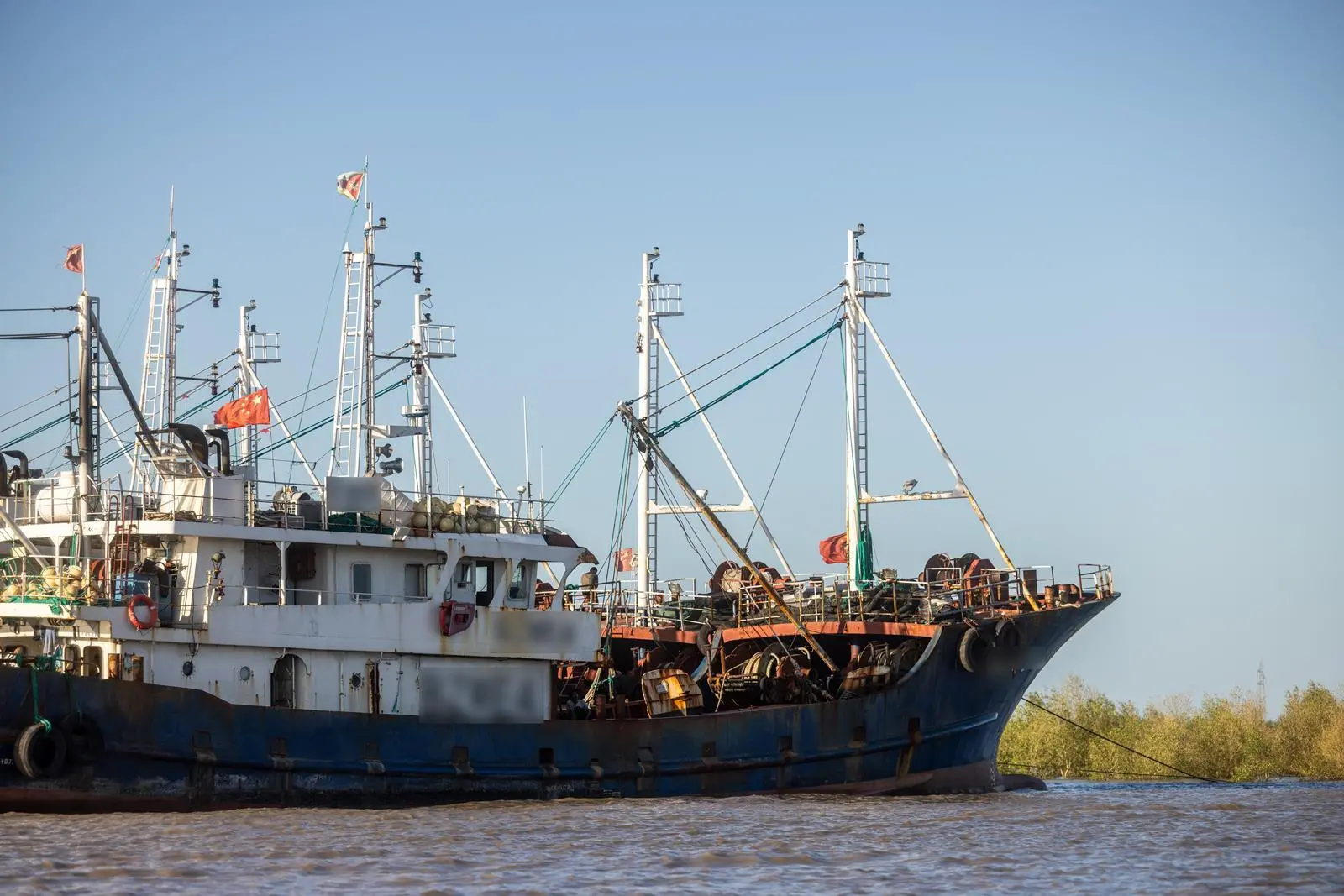
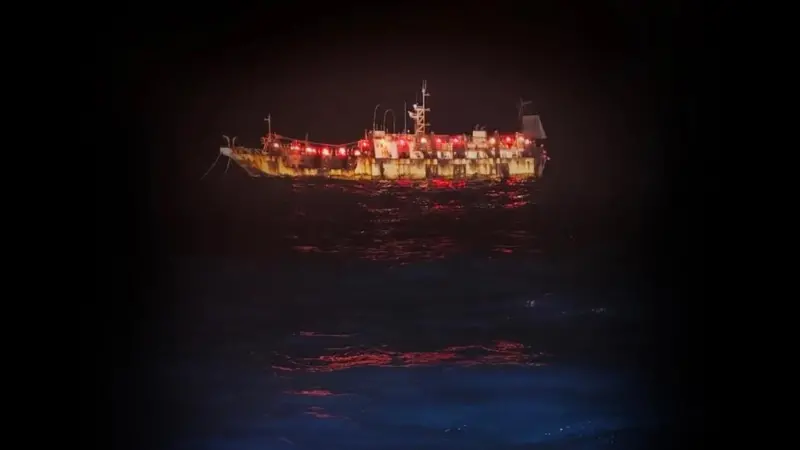
The Chinese fishing fleet is responsible for systemic illegal fishing and human rights abuses in countries bordering the Southwest Indian Ocean (SWIO), undercutting China’s claims of supporting sustainable development and thriving blue economies in the region, according to a new report from the Environmental Justice Foundation (EJF).
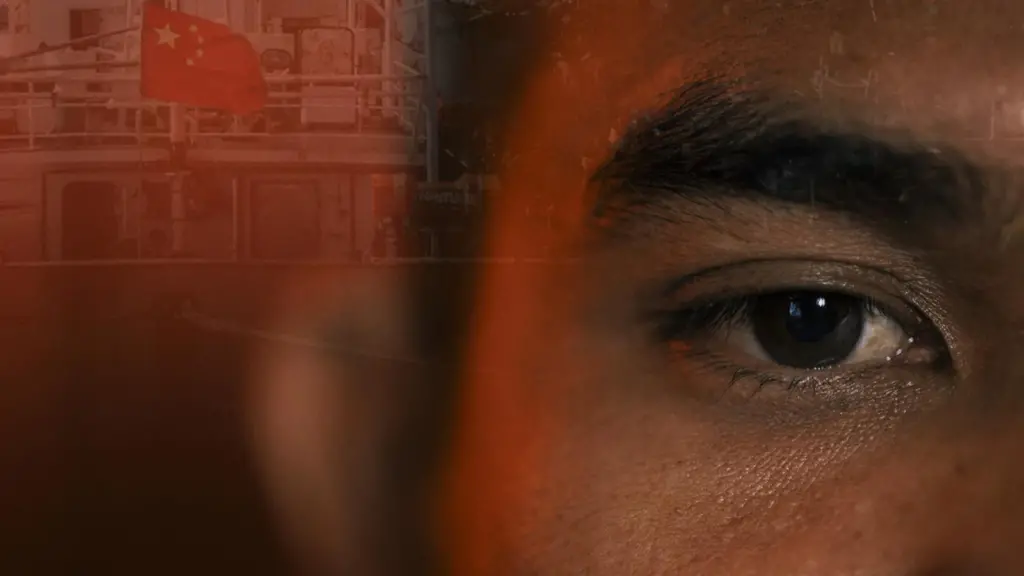
All of the fishers interviewed by the NGO who had worked on China’s tuna fleet in the SWIO reportedly experienced or witnessed some form of human rights abuses and/or illegal fishing.
China’s distant-water fleet (DWF) is by far the largest in the world, and according to EJF it has a growing reputation of perpetrating egregious human rights abuses and illegal fishing.
The organisation has been tracking the Chinese fleet since 2020, and has conducted multiple investigations into its illegal and unethical activities, including conducting 318 interviews with former crew who worked on at least one Chinese vessel, 96 of which were in the last six months.
However, the extent of criminal abuses in the SWIO stands in particularly stark distinction to China’s professed interests in the region, it said. This new investigation exposes four deaths which occurred on Chinese vessels between 2017 and 2023, including one suspected suicide of a crew member said to have thrown himself overboard.
The report, “Tide of Injustice: Exploitation and Illegal Fishing on Chinese Vessels in the Southwest Indian Ocean”, is based on interviews with crew working on Chinese vessels in the SWIO and a wide range of secondary data sources, and is the first of its kind to examine China’s DWF in the region.
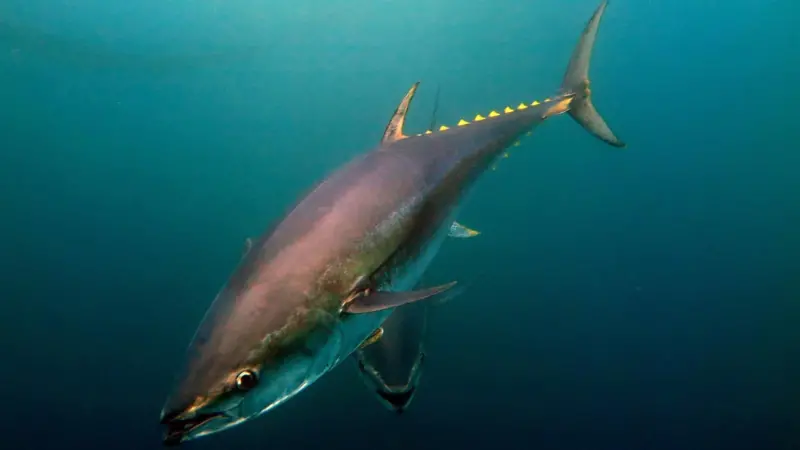
Between 2017 and 2023, Chinese vessels were linked to 86 unique cases of illegal fishing or human rights abuses in the SWIO. Of the 95 tuna longliners currently believed to be authorised to target tuna in the SWIO, almost half are linked to cases of illegal fishing and/or human rights abuses.
Of the 44 fishers interviewed, 80% reported shark finning, 100% reported abusive working and living conditions, 96% excessive overtime and 55% physical violence. EJF also interviewed 16 fishers who worked on Chinese trawlers in Mozambique who similarly reported widespread illegalities, with 81% reporting physical abuse and half reporting the deliberate capture and/or injury of vulnerable marine megafauna.
EJF noted that seafood linked to these vessels is potentially entering key international markets, including Europe, the US, Japan and South Korea; and that around 73% of the vessels suspected of human rights abuses and illegal fishing appear on the list of authorised exporters to the EU at time of writing.
Through the Belt and Road Initiative, China has invested heavily in the countries bordering the SWIO, including building a range of ports and fisheries infrastructure, but EJF said the terms of these investments are often opaque and, despite positive articles about Chinese investment in local media, concerns have been raised by civil society groups and local communities regarding the impacts on coastal communities.
This new investigation now shows that Chinese investment, far from benefitting these communities, directly and indirectly impacts the livelihoods of artisanal fishers through the illegal fishing perpetrated by China’s DWF, it said.
“Our extensive research raises a simple question: are these abuses at the direction of the government in Beijing, or is it failing in its responsibilities to manage its fleet? The weight of evidence is so undeniable that one or the other must be true,” EJF CEO and Founder Steve Trent said.
“We have revealed that China’s DWF is responsible for appalling abuses and illegal fishing in the SWIO. What our investigations show is that these abuses are not confined to one vessel or fleet; one geography or jurisdiction; but almost all Chinese fishing vessels and fleets in all geographies and jurisdictions we have examined. While the Chinese government portrays its investment in the countries bordering the SWIO as a win-win, the clear reality is that it is doing direct harm. This applies equally to coastal communities whose livelihoods are threatened by the activities of these commercial vessels, to the people suffering shocking human rights abuses on the same vessels, and to the SWIO countries saddled with corruption and debt from China’s investments.”
Trent added: “It’s well past time for closer attention to be paid to China’s DWF and fisheries investments in the region by the Indian Ocean Tuna Commission, coastal states, market states, port states, flag states and, most of all, by the Government of the People’s Republic of China itself. At a minimum, this must include improving fisheries transparency to enable everyone to better understand who is fishing, how, where and for what. While the Chinese DWF is not the only culprit for illegal fishing in the SWIO, the uniquely shocking abuses it perpetrates across the region demand significant change now.”
Reacting to EJF investigation, ocean conservation organisation Oceana called for US authorities to take action to ensure seafood resulting from these activities don’t enter the market.
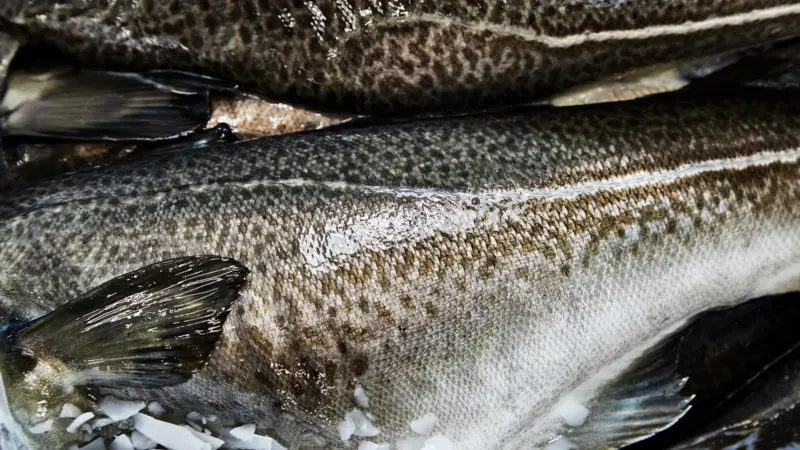
“This is just the latest egregious case of illegal, unreported, and unregulated (IUU) fishing activities hurting vulnerable people, oceans, and marine life,” Oceana Campaign Director Dr Max Valentine said in a statement. “The reporting shows more examples of a country linked to human rights abuses pillaging our oceans, heightening the overfishing crisis while brutally killing marine wildlife like whales and sharks. The products of these violations end up in US restaurants, grocery stores and schools.”
Valentine continued: “The United States imports most of the seafood we eat and less than half of it is covered by US government traceability standards. There’s simply no guarantee that what reaches our dinner plates didn’t originate from human rights violations or destructive fishing practices. It’s beyond time for the US government to strengthen documentation and traceability for seafood imports so consumers can ensure all seafood is safe, legally-caught, responsibly-sourced, and honestly labelled. We deserve to know that our meal doesn’t come at the cost of our oceans or human life.”