



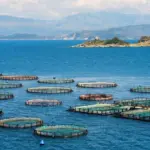


Seaweed the “next big thing”
AUT University researchers are touting Undaria pinnatifid, a type of seaweed, as the aquaculture sector’s ‘next big thing’ – despite it being a highly invasive and unwanted organism under New Zealand biosecurity laws.
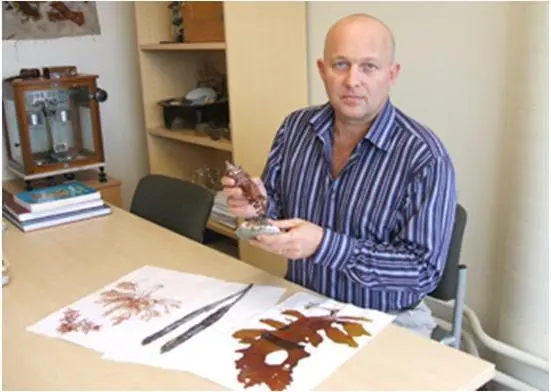
In partnership with Wakatu Corporation, AUT (Auckland University of Technology) is currently researching the commercial and neutraceutical applications of Undaria. Seaweed biologist Dr Lindsey White and his team are exploring uses for Undaria and new market opportunities for our aquaculture industry.
“There are only a few places in the world where Undaria is grown,” says Dr White, “as a popular food source in Japan, Korea and China, there’s already a $400 million market for Undaria.”
With over 850 seaweed species in New Zealand, Undaria was introduced to New Zealand in the 1980’s where it spread rapidly.
It is classified as one of the top 100 global invasive species. Until late 2010 Government restrictions meant Undaria couldn’t be harvested or farmed in New Zealand due to concerns about the spread of an introduced seaweed and its ecological impact on native plant and animal species.
“Undaria is a resource whose time is finally coming. There is potentially tens of thousands of tonnes of Undaria currently going to waste in New Zealand annually, most of it found growing on the lines of commercial mussel farms.”
Seaweed is rich in iodine, calcium, iron, magnesium and potassium, vitamins, amino acids, omega 3 and antioxidants and research suggests it can boost immune systems, lower cholesterol and relieve joint pain.
At AUT’s new sensory research lab sensory scientist Dr Nazimah Hamid and analytical chemist Dr John Robertson are supervising four postgraduate students who are undertaking characterisation of protein, carbohydrates and lipids in Undaria. They are also comparing the flavour profiles and sensory characteristics of processed Undaria to commercial Japanese and Korean samples.
“Our work on Undaria is unique because seaweed can now be turned into a valuable food commodity like wakame, which is highly sought after in Japanese and Korean cuisines. Wakame is known for its bioactive compounds like fucoxanthin and fucoidan that have antioxidant and anti-carcinogenic properties. These compounds can be isolated and marketed as a health supplement which could prove lucrative,” says Dr Hamid.
There are currently seven separate Undaria research projects underway at AUT, ranging from the differences in nutritional chemistry between the New Zealand and Asian strands to the investigation of Undaria’s potential anti-cancer properties.
Dr White says that the compounds fucoidan and fucoxanthin have been proven health benefits and there is some evidence they have an effect on cancer lines – but he is keen to stress this line of research is only in its infancy.
Related Articles
 FISHERIES
 FISHERIES
 WORLD FISHING EVENTS