




Crablet survival rate up in Philippines
Simple tweaks in protocols at the mangrove crab hatchery of the Southeast Asian Fisheries Development Center Aquaculture Department (SEAFDEC/AQD) in the Philippines have led to a significant boost in crablet production, with survival increasing twofold.
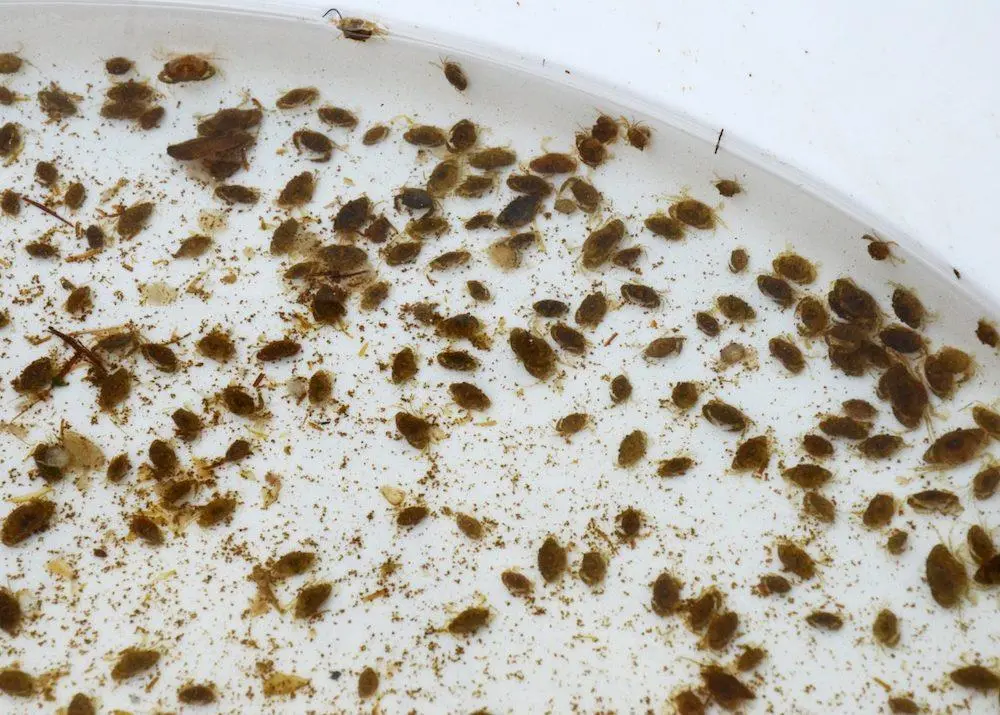
Crab hatcheries suffer from very low survival rates caused by disease and cannibalism. However, Joana Joy Huervana, associate researcher at SEAFDEC/AQD and leader of the mangrove crab team in Iloilo, reported that by feeding more frequently and providing cleaner water in the tanks, the average survival rate from zoea (newly-hatched larvae) stage to crablet, increased from an average of 1% in 2017 to 2% in 2019.
“Feeding frequency was increased from four to six times a day with an interval of four hours,” Ms Huervana said. This is “based on the crabs’ biomass at 100 percent feeding rate”.
She added: “As for the water replacement, the interval was shortened from five to four days. Siphoning of tank bottom to remove dead larvae, microalgae, and feeds is done every three days to further improve water quality. Also, monitoring of water parameters was consistently conducted.”
Intervention success
She said the intervention worked because cannibalism among the crabs is more prominent starting in the megalopa stage (intermediate larval phase), therefore increasing the available feeds, together with providing additional shelters in the larval tanks, increased the survival
The survival rate from zoea to crablet, reached as much as 10% sometime last year, which contributed to the hatchery’s production of over 650,000 pieces of crablets for 2019.
There has been a rise in demand for hatchery-bred crablets. Used in the farming of the prized Scylla serrata mangrove crabs, crablets are usually collected from the wild but they have become more difficult to find due to increasing demand in the Philippines, resulting in restrictions on wild collections.
Related Articles
 SEAFOOD
 AQUACULTURE
 SEAFOOD