
Sonar technology targets aquaculture workboat safety
New docking-assistance system combines multiple sensors to help aquaculture crews avoid underwater obstacles and costly vessel damage
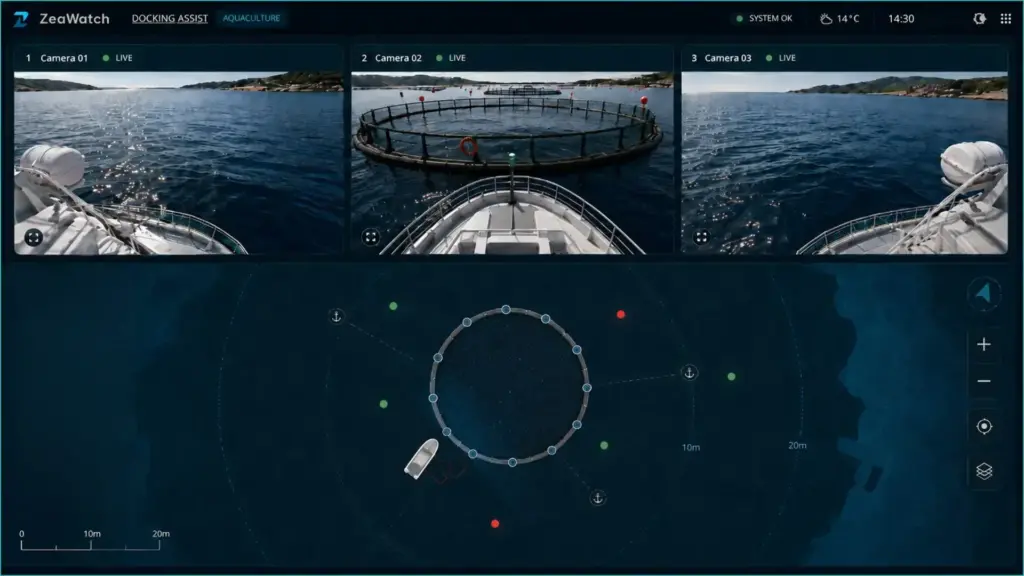
Workboats servicing fish farms could benefit from improved collision awareness through a new docking-assistance system developed by maritime tech company Zeabuz and vessel builder Damen Folla.
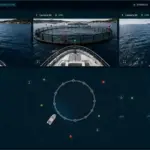
Called ZeaWatch Docking Assist, the system combines sonar, cameras, 4D radar and GNSS to identify infrastructure both above and below the waterline. It is designed to address a persistent problem for aquaculture operators: hidden anchor chains, nets and mooring equipment that can damage vessels during close-quarter manoeuvres.
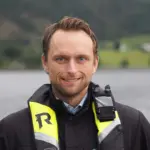
“ZeaWatch Docking Assist is based on well-proven technology. What is unique about the system is that it was developed with fish farming in mind. It supports approaches, dockings, backing and close-quarter operations around cages and docks,” said Stig Rune Nørbech, chief commercial officer at Damen Folla.
Sensor information is processed using object-detection algorithms and presented through a single ZeaWatch interface. Operators can view nearby obstacles, distances and warning zones in real time, providing additional information when approaching cages, reversing or manoeuvring alongside aquaculture infrastructure.
The development builds on an existing relationship between the two companies, which previously collaborated on ZeaFalcon, a seven-metre high-density polyethylene vessel equipped with Zeabuz autonomous navigation technology.
The aquaculture-focused project emerged in May 2025, when Nørbech approached Zeabuz chief executive and chief technology officer Øyvind Smogeli about adapting similar technology to the challenges facing fish-farm workboats.
For Zeabuz, the system also represents a step towards greater automation in maritime operations, particularly as aquaculture moves further offshore into more exposed environments.
However, Smogeli emphasised that the technology is intended to assist crews rather than replace them.
“Our approach to autonomous technology and navigation support is not aimed at displacing the crew,” he said, adding that the objective was to make operations safer, more efficient and productive.
Related Articles
 AQUACULTURE
 AQUACULTURE
 AQUACULTURE