


Scientists sound alarm on climate change consequences for cod
The significant effects of climate change and increased human activity on Arctic cod (Boreogadus saida) and the entire Arctic ecosystem are explained in a newly-released scientific review article.
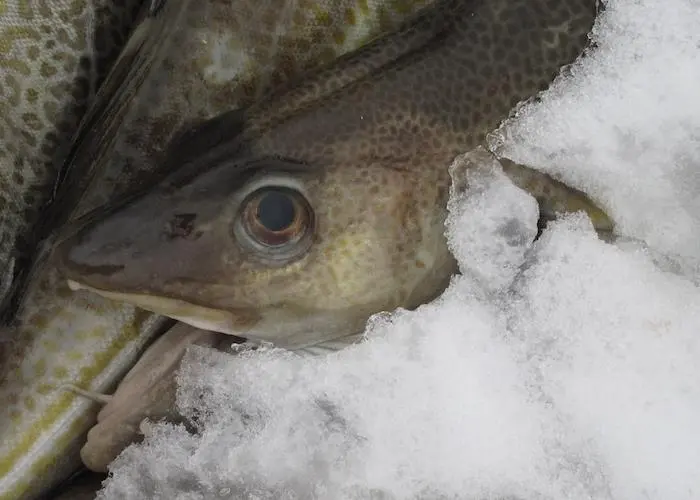
The report identifies that Arctic cod (also known as polar cod) play a pivotal role in Arctic marine ecosystems. They are most abundant fish in the Arctic Ocean and are a key food source for marine mammals, seabirds and other fish species harvested by Inuit as well as commercial fisheries.
But it also explains that the consequences of warming temperatures and changing ocean conditions for this ecologically important species include habitat loss disrupting Arctic cod reproduction, changing food availability for Arctic cod larvae and juveniles, and increased predation as southern species migrate to warming Arctic waters.
“Our findings emphasise the urgent need for action to mitigate climate change impacts on Arctic cod populations,” said Dr Maxime Geoffroy, research scientist, Fisheries and Marine Institute of Memorial University, and lead author of the study. “These changes are not only affecting the most abundant fish of the Arctic but also disrupting the delicate balance of the entire Arctic ecosystem.”
Geoffroy led a consortium of 43 scientists from 26 international institutions in a review of 395 scientific papers published since 1954. This study consolidates existing research and presents a new evaluation of the current and future impact of climate change on Arctic cod populations and their ecosystems across all Arctic regions.
The article, titled ”The Circumpolar Impacts of Climate Change and Anthropogenic Stressors on Arctic Cod (Boreogadus saida) and its Ecosystem”, is published in Elementa: Science of the Anthropocene and is available online.
Its key findings include
- Habitat loss: Rising temperatures and shrinking sea ice pose a significant threat to the Arctic cod’s habitat, especially for the eggs and larvae. These changes disrupt the species’ reproductive cycles, survival, predation risks, growth, distribution and feeding ability
- Altered food availability: Climate change results in smaller and leaner zooplankton prey available for Arctic cod larvae and juveniles. This can lead to reduced growth rates and higher larval mortality and, ultimately, reduced numbers of Arctic cod
- Increased predation and competition: As sea ice retreats, Arctic cod face increased exposure to predators and competitors from the North Atlantic and northern Pacific oceans. New species of seabirds and larger fish species are also expanding their range into previously inaccessible areas. This heightened predation and competitive pressure could have cascading effects throughout the ecosystem
- Increased risks from oil and gas activities: The main risks from human activities in the Arctic are related to potential oil spills at the surface. Arctic cod larvae and juveniles exposed to crude oil experience reduced survival and growth as well as greater deformities