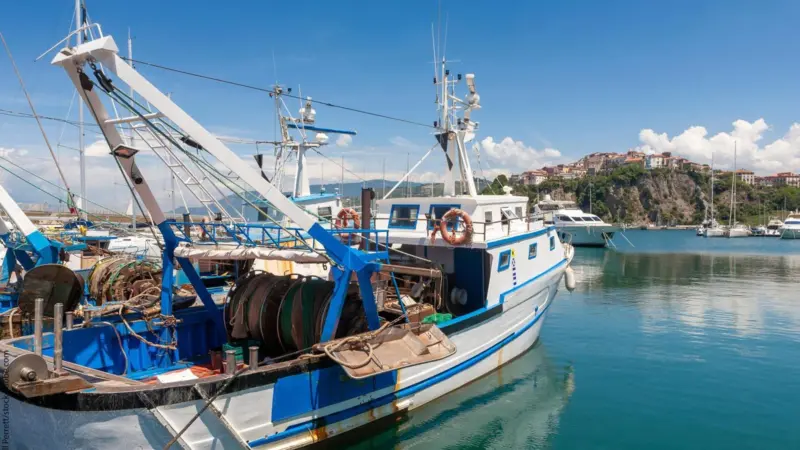





NGOs welcome Mediterranean fisheries sanctions system
The decision by Mediterranean states to create a sanction system that will empower the General Fisheries Commission for the Mediterranean (GFCM) to take action against countries which continue overfishing or illegal fishing has been commended by the NGO community, which has called the move “a crucial step towards building a culture of compliance, which is essential to start rebuilding Mediterranean fish populations”.
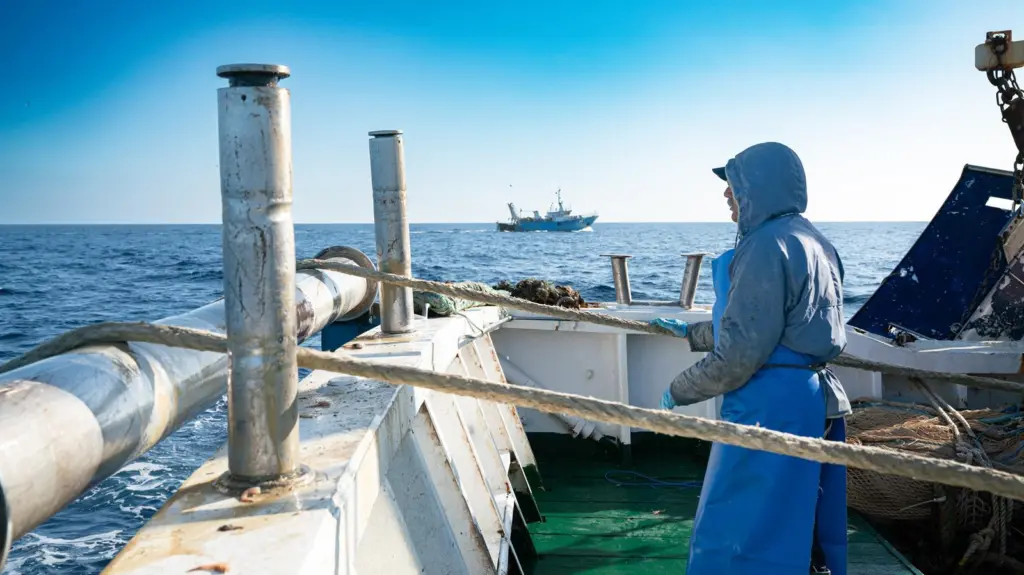
Med Sea Alliance, an NGO campaign movement created in 2020 to bring together non-governmental organisations and networks working to improve the health and productivity of the Mediterranean Sea, advised that the binding recommendation adopted by GFCM during its 46th session in Split, Croatia, will allow the FAO organisation to act against member states who fail to adhere to its conservation measures, using a system that will go into force in 2025.
Together, the 22 GFCM member states (plus the EU) can now take action if a member fails to stop its trawl fleet from fishing in no-trawl areas, or if a member does not respect GFCM rules on fishing gear or catch restrictions, it said.
“After decades of inaction against illegal fishing and Mediterranean countries not complying with the rules, times are changing”, Oceana Europe Senior Marine Scientist Helena Álvarez said. “Starting in 2025, the GFCM will finally have the power to make its members act against those who fail to adhere to catch or landing requirements or those who do not stop trawlers from fishing in areas where it’s forbidden.”
Measures that can be taken by GFCM will include a restriction of fishing authorisations or a reduction of the allowed fishing days at sea.
However, NGOs say it’s crucial the system is completed with further available sanctions, in order to also tackle a failure to provide the required data or to conduct port controls.
“The measures taken by the GFCM will ensure better compliance with all the conservation and management measures adopted within the framework of this organisation,” ClientEarth Senior Jurist, Marine & Mediterranean Nils Courcy said. “Compliance with the rules adopted by the GFCM members is an essential step towards improving the status of fish stocks and marine ecosystems in the Mediterranean. This new recommendation and the clear intentions announced by the GFCM to extend it to the monitoring, control and reporting obligations by ‘2026 at the latest’ are much needed improvements to secure a healthy marine environment in the Mediterranean.”
Environmental Justice Foundation CEO and Founder Steve Trent said a “breakthrough in the protection of Mediterranean fish populations and marine ecosystems” had been achieved.
“The GFCM will now be able to sanction breaches of conservation rules, which is a vital step on the road to recovery. The success of conservation efforts in the Mediterranean basin will depend in large part on how effectively this tool is implemented and enforced and I urge GFCM members to apply it fully when the rules are broken,” he said.