



Increased protection for Bay of Biscay dolphins
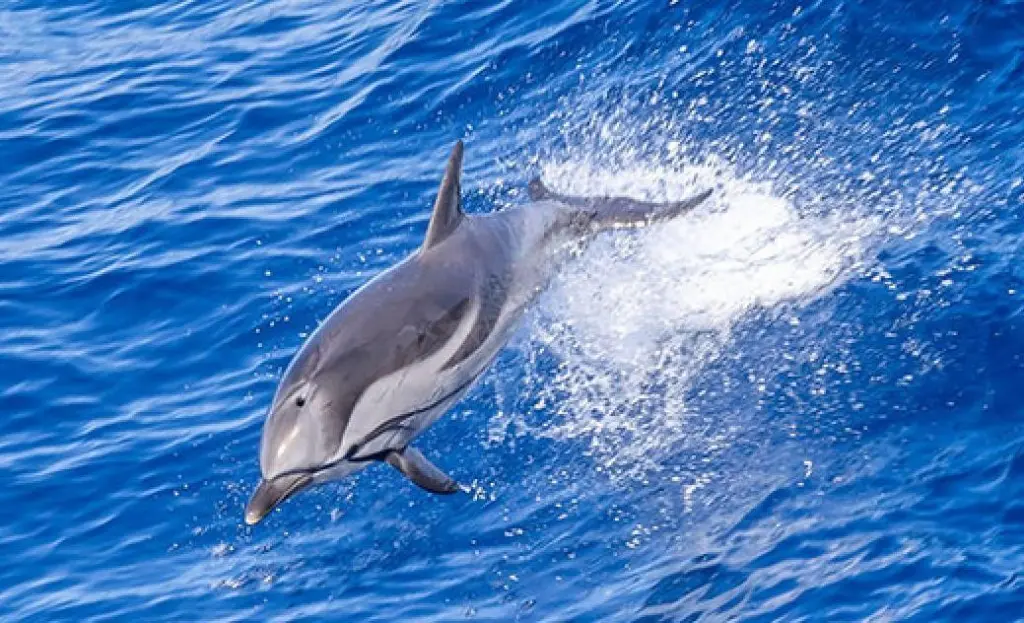
The European Commission has implemented a joint recommendation agreed between France, Spain, Portugal and Belgium through a delegated act securing regional measures in the Bay of Biscay for 2025 to prevent incidental catches of dolphins and other small cetaceans caused by fishing.
This act will now be submitted to the European Parliament and to the Council for a scrutiny period of two months. If the European Parliament and Council do not express objections, the measures will enter into force on time for the closure of the Bay of Biscay to fishing vessels above eight metres, starting on 22 January until 20 February 2025.
The closure is expected to affect around 300 EU vessels, according to preliminary figures provided by the member states.
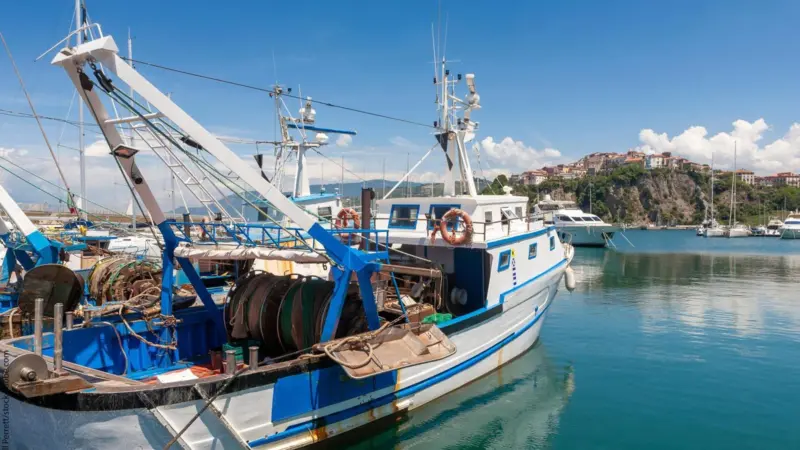
Vessels concerned – ranging from certain pelagic and demersal trawls to seiners and netters – will be required to remain in port to avoid incidental catches of small cetaceans during the winter, which has been identified by scientists as a high-risk period for bycatches.
In addition to the one-month fishing closure, measures include the compulsory use of acoustic deterrent devices for all mid-water pelagic trawls and demersal twin trawls. Measures also include a dedicated monitoring programme for small cetaceans all year-round through onboard observers and onboard cameras, with increased monitoring during the high-risk period on a voluntary basis.
Winter strandings of dolphins and small cetaceans on the coasts of the Bay of Biscay have been a recurring problem for the fishing sector and for our societies at large. Incidental catches in fishing nets, along with natural mortality, diseases, and disorientation, have been significant contributors to the strandings of dolphins and small cetaceans in the Bay of Biscay.
The Commission has acknowledged that the fishing sector and member states are investing into research and technical trials to develop and test new devices, which would allow for reduced interaction between small cetaceans and fishing vessels, fostering their co-existence in the future.