

Oceana welcomes Danish HELCOM chair
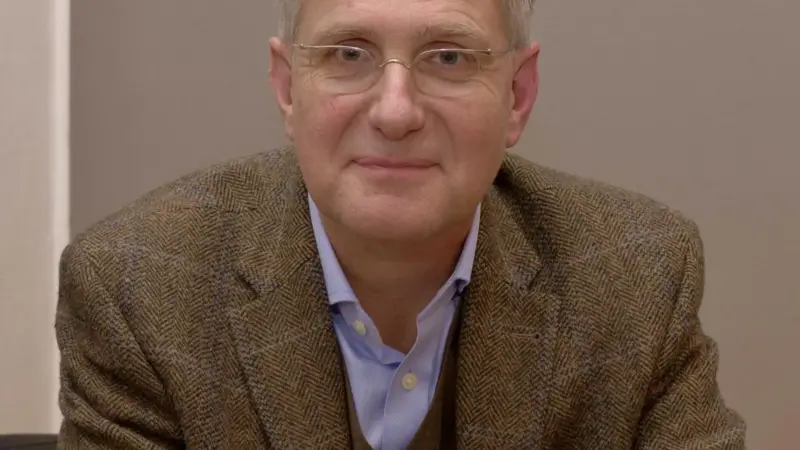
Oceana has welcomed the new chairwoman of the Baltic Marine Environment Protection Commission (HELCOM), Helle Pilsgaard, in her new position, and looks forward to the two-year Danish Chairmanship of HELCOM.
In a letter addressed to Ms Pilsgaard, Oceana marked its appreciation for plans to tackle the human causes of eutrophication by setting country-wide nutrient reduction targets and cleaning wastewaters. However, the organisation also emphasised the need to concurrently promote direct actions to safeguard biodiversity.
Better management of both Marine Protected Areas (MPAs) and fisheries will have a positive impact on the entire Baltic Sea, help curb the effects of eutrophication, and create more resilient ecosystems, says Oceana.
“Curbing eutrophication should absolutely be one of the primary targets of regional actions,” stated Hanna Paulomäki, Oceana Baltic project manager. “It is however equally important, given the troubled state of the Baltic Sea, to work towards creating an ecologically coherent network of marine protected areas (MPAs), and better management of fish stocks.”
The marine organisation says that the existing network of MPAs in the Baltic is both poorly distributed and poorly managed, and that fishing practices such as bottom trawling and overfishing, threaten the sensitive ecosystems of the Baltic Sea.
Oceana is looking forward to following the Danish Chairmanship in their work to fulfill the Baltic Sea Action Plan and achieve good environmental status for the Baltic Sea.
Related Articles
 FISHERIES
 FISHERIES
 WORLD FISHING EVENTS