

Washington gives $70m support to fish passage projects
The US Fish and Wildlife Service has announced 29 states will receive just over US$70 million to support 43 projects that will address outdated or obsolete dams, culverts, levees and other barriers fragmenting the nation’s rivers and streams.
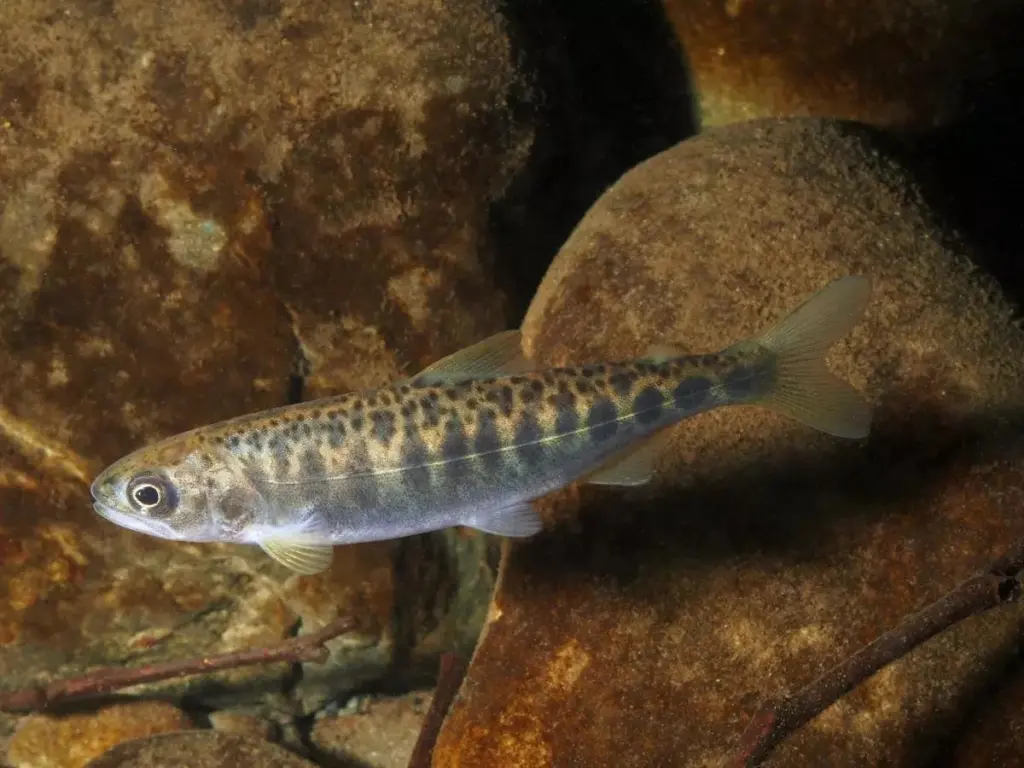
The new Bipartisan Infrastructure Law Funding Supporting Fish Passage and Local Communities recognises that barriers fragment rivers, block fish migration and put communities at a higher risk of flooding. Moreover that obsolete or poorly-designed dams, culverts, stream crossings and levees keep fish and other aquatic species from moving freely to feed, migrate and reproduce.
These challenges put fish populations at risk, undermine the health of the rivers and reduce fishing opportunities, but improving aquatic connectivity can be an effective way to help conserve vulnerable species while building safer infrastructure for communities, improving climate resilience, increasing recreational opportunities, and strengthening local economies.
The investment will address these outdated and obsolete barriers, with the funds building on the service’s 2022 and 2023 Bipartisan Infrastructure Law National Fish Passage Programme investments of nearly $73 million for 79 projects across the US.
The newly announced project list represents the third and fourth years of funding of a five-year, $200 million commitment to restore free-flowing waters, allowing for fish migration and protecting communities from flooding.
Included in the list of benefiting projects are:
- Lower Skutik/St. Croix River Fishways (Maine) – This collaborative project with the State of Maine, Passamaquoddy Tribe, and other partners has the potential to support tens of millions of adult river herring returns annually, making their population the biggest in the United States and Canada. The fishways project will also contribute to the sustainability and economic viability of the local pulp, paper and fishing industries
- Enloe Dam Removal (Washington) – This collaborative project is co-sponsored by Trout Unlimited and the Confederated Tribes of the Colville Reservation and supported by both the Upper and Lower Bands of the Similkameen Indians. When implemented, the project will reconnect over 1,500 miles of habitat for steelhead trout, Chinook salmon, and Tribal trust species like Pacific lamprey, while also creating benefits for water quality, recreation and flood risk reduction
- Upper Otter Tail River Connectivity Project (Minnesota) – This project is led by the Minnesota Department of Natural Resources with collaboration from the White Earth Band of Chippewa, Red Lakes Band of Chippewa, Minnesota Department of Transportation, East Otter Tail Soil and Water Conservation District, and other partners. It will connect 20 river miles and nearly 1,800 acres of aquatic habitat, contributing to lake sturgeon recovery and sustainability as well as connectivity for walleye, white sucker, mussels, and other aquatic species of concern
The law and funding has been welcomed by the Association of Fish and Wildlife Agencies, which noted that the diverse portfolio of aquatic conservation projects receiving support will improve fish passage and climate resilience, increase recreational opportunities and strengthen local economies.
“These projects will make a huge difference for fish species around the country,” said Chuck Sykes, Director of the Alabama Division of Wildlife and Freshwater Fisheries and President of the Association of Fish & Wildlife Agencies. “In my home state of Alabama, the Choctawhatchee, Pea, and Yellow Rivers Watershed Management Authority’s successful proposal to remove the inoperable Elba Hydroelectric Dam – the only fish passage barrier in the Choctawhatchee River basin – will result in a 29% increase in access to habitat types used by threatened and endangered fish and mussel species in the basin.”
Related Articles
 SEAFOOD
 SEAFOOD
 AQUACULTURE