


China accused of ‘fishing ban PR stunt’
China is circumventing its own squid fishing bans by deliberately avoiding areas where fishing actually takes place, according to new research from Oceana.
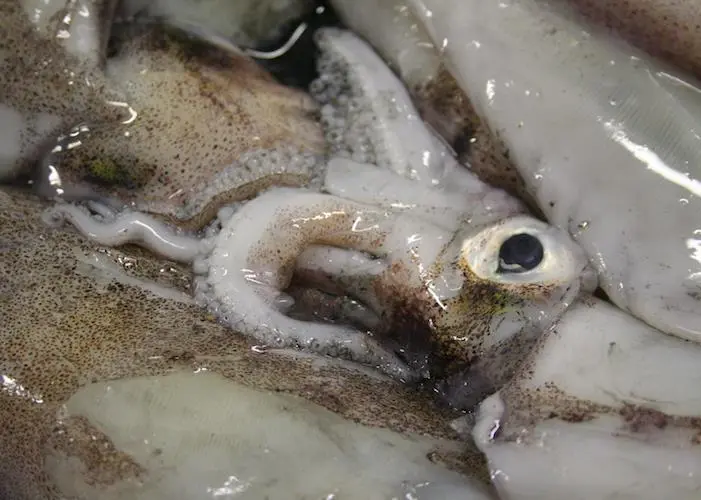
China has closed fisheries in the northern Indian Ocean from July to September but Oceana argues that this area is rarely fished for squid.
Moreover, the country’s three most recent self-imposed bans are all in areas where its fleet rarely visits, says the non-profit conservation group.
“China’s supposed fishing bans are built on false pretences,” said Ocean campaign director Dr Max Valentine. “It’s like a penguin saying it’s giving up flying.”
“Ending squid fishing in areas where there is no fishing does nothing to protect squid. If we are going to take responsible fishing seriously, we need real solutions — not ones built on optics to disingenuously win the world’s good favour.”
Oceana analysed the activities of Chinese-flagged squid fishing vessels using AIS data from Global Fishing Watch, an independent non-profit founded by Oceana in partnership with SkyTruth and Google.
Its analysis found that:
- In 2023, China self-imposed a squid fishing ban in a small area in the northern Indian Ocean.
- In 2022, China’s fishing fleet only appeared to fish 21 hours in the moratorium area.
- In 2020, China self-imposed a squid fishing ban in a small area in the eastern Pacific Ocean.
- In 2019, China’s fishing fleet only appeared to fish 38 hours in the moratorium area.
- In 2020, China self-imposed a squid fishing ban in a small area in the southwest Atlantic Ocean.
- In 2019, no China-flagged vessels appeared to fish in the moratorium area.
“It’s an insult to honest fishers and governments across the globe that take tangible steps to protect our oceans and those who depend on them,” said Dr Valentine.
Oceana says massive distant-water fishing fleets, like China’s, are propped up by harmful government subsidies that promote overcapacity and incentivise overfishing.
It estimates that the country provides nearly US$6 billion in these subsidies and is calling on governments such as the US to mandate expanded transparency at sea and improved traceability
Related Articles
 SEAFOOD
 SEAFOOD
 AQUACULTURE