

Strong sockeye harvest follows record year
This year is set to be one of the top five seasons of the past two decades for wild sockeye salmon.
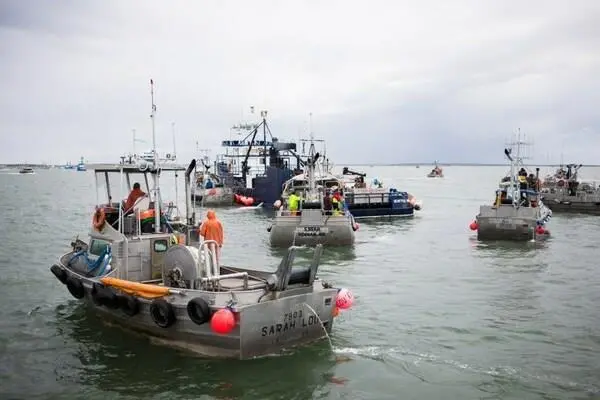
Landings of the distinctive ruby-red fish in Bristol Bay, Alaska, stood at 38 million at the end of July, surpassing the forecast by one million. Bristol Bay is home to the largest wild salmon run on the planet, producing half the world’s supply of wild sockeye.
“The strong harvests out of Bristol Bay in recent years are a testament to the responsible fisheries management of Alaska and the Bristol Bay fishing industry including fishermen, biologists, local community and seafood processors, and speak to the health and thriving future of the wild sockeye in the region,” said Bristol Bay Regional Seafood Development Association (BBRSDA) marketing director Lilani Dunn.
While fresh wild sockeye is available during the summer harvest season, many Bristol Bay fishermen freeze their catch, locking in nutrients and reducing food waste.
“It takes thousands of dedicated people labouring through unfathomably long workdays, unpredictable weather, sore muscles, blistered hands, mechanical problems and more to make a harvest like this happen, year after year,” said Andy Wink, executive director of BBRSDA.
Along with being a good source of essential fatty acids and vitamin D, Wild sockeye salmon has one of the lowest carbon footprints not only compared with land-based animal protein, but among seafood species as well.
Salmon is the most commonly consumed fish across the US.