



Soaring seafood prices impacting European consumption
While fish and shellfish remain a staple in European diets, with 58% eating these products at home at least once a month, the overall consumption frequency has been declining since 2021, according to the latest Eurobarometer survey on EU consumer habits regarding fishery and aquaculture products.
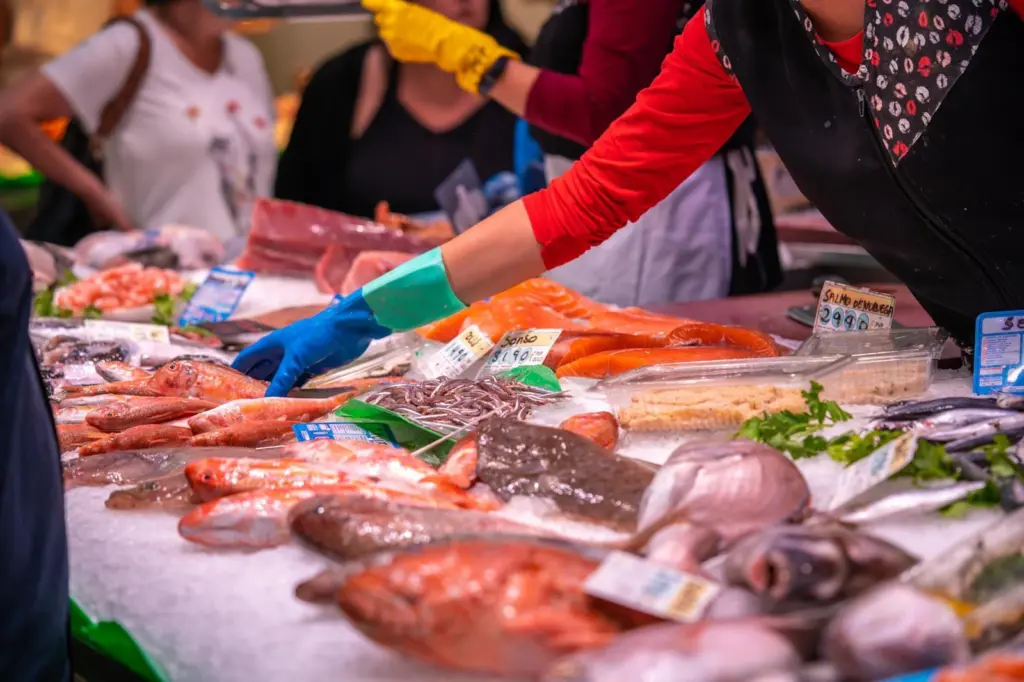
Just one-third of the new survey’s respondents consume fishery and aquaculture products at least once a week, marking a 4% decline from the last survey, conducted four years ago. The share of respondents who never consume fishery and aquaculture products at home has risen to 15% – a 4% increase from 2021.
Compared to the previous survey, the cost of products has become the most influential factor (55%) in the purchasing decisions of European consumers for fish and seafood, with price now overtaking appearance of the products (52%).
The survey determined that cost affects consumers’ decisions, leading to more cautious decisions in their spending due to the current economic context. For this reason, purchase and consumption of frozen and tinned products are surpassing fresh products, likely due to their convenience and affordability, notes the EU Directorate-General for Maritime Affairs and Fisheries.
Proximity to the sea strongly influences higher consumption of fish and seafood. Respondents living within 5km of the coast are more likely to consume fishery and aquaculture products monthly (79%) than those over 200km away (49%). The survey also found that those living closer to the coast are more likely to prefer wild-caught products over farmed ones (43% within 5km compared to 27% over 200km).
Respondents from landlocked countries show higher indifference regarding whether fish and seafood are wild-caught or farmed.
Practical and product-specific information on the labels remain essential for half of the respondents: expiration date, species name, method of production (wild or farmed) and origin are the most expected information, both for processed and non-processed products.
The survey’s respondents were also seeking more detailed labels, with 69% of them considering important to include the date of catch or harvest for all fishery and aquaculture products. Additionally, 36% would like more environmental information, which is an 8 percentage-point decrease since 2021.
For the first time, this year’s special Eurobarometer included questions on seaweed and algae consumption. Although seaweed and algae products have not yet reached mainstream acceptance, two-thirds of respondents have eaten these products at least once in the last year, mostly in the form of rolls or wraps (e.g., sushi).
Half of the respondents like the taste and one-third believe they are beneficial for health.
This special Eurobarometer 558 on EU consumers habits regarding fishery and aquaculture products was carried out in the 27 EU member states between September and October 2024.
Some 26,510 respondents from different social and demographic groups were interviewed in their mother tongue, with the main objectives including to:
- Understand consumer habits and perceptions regarding fisheries and aquaculture
- Determine changes in the consumption of fishery and aquaculture products since the March/April 2021 survey by comparing current figures with the 2021 results, and explore the reasons for any observed increases, decreases, or variations in specific product types
- Investigate the most important aspects for consumers when buying fishery and aquaculture products, and what are their purchasing behaviors
- Explore the reasons for not eating fisheries and aquaculture products
- Investigate what consumers think about the information accompanying fisheries and aquaculture products on origin
- Uncover consumer attitudes and familiarity with seaweed and algae products
This Eurobarometer survey was the fourth on this topic, repeating some questions first asked in a survey conducted in June 2016, and subsequently in a survey conducted in July 2018 and March 2021.