






New iSharkFin software to identify sharks
A new digital technique has been developed by FAO to quickly identify shark species.
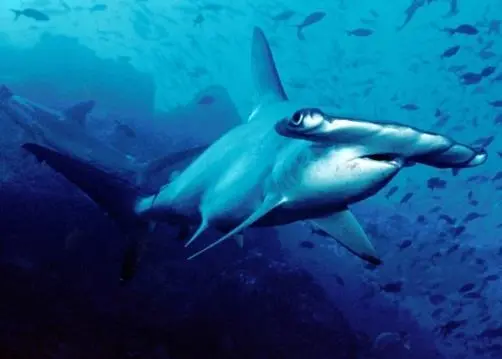
The new iSharkFin software will help protect endangered shark species and combat illegal trade in shark fins. It is a tool for custom officers and inspectors at fish markets as well as for fishermen keen on avoiding the capture of protected species.
The system is based on machine learning techniques and provides expertise to port inspectors, custom agents, market inspectors and fish traders who lack formal taxonomic training.
A photograph is uploaded, the user then chooses a few key points of the fin shape along with identifying a few other characteristics, and an algorithm compares the information with its memory bank and identifies the shark specie. The process takes about five minutes. FAO is developing an app version of iSharkFin that can be used with tablets or smart phones, broadening its potential reach and use.
So far the iSharkFin can identify 35 shark species from dorsal fins – the iconic one atop the animal’s spine – and seven from just the pectoral fins underneath.
Many of the types are those most frequently traded internationally. More will be added, but as some species are becoming quite rare, it takes time to gather an adequately complete data.
The software was developed by FAO in collaboration with the University of Vigo in Spain. CITES and the Government of Japan provided financial support.
iSharkFin will help to produce better official statistics on shark catches which may be underestimated when the whole animal is not landed due to ‘shark finning’, a practice involving cutting off a shark’s fins and dumping the animal back into the sea. Many nations have declared shark finning illegal and insist that shark fins may be traded only if the whole carcass is brought to shore aiming at protecting a group of animals that take a long time to mature and produce few offspring.
Related Articles
 FISHERIES
 FISHERIES
 WORLD FISHING EVENTS