




Reduction analysis shows continued drop in fisheries performance
New reports by Sustainable Fisheries Partnership (SFP) released this month (part 2) and October 2023 (part 1) show declines in performance of key reduction fisheries for the sixth year in a row, highlighting the need for more active and long-term industry engagement to ensure good fisheries management.
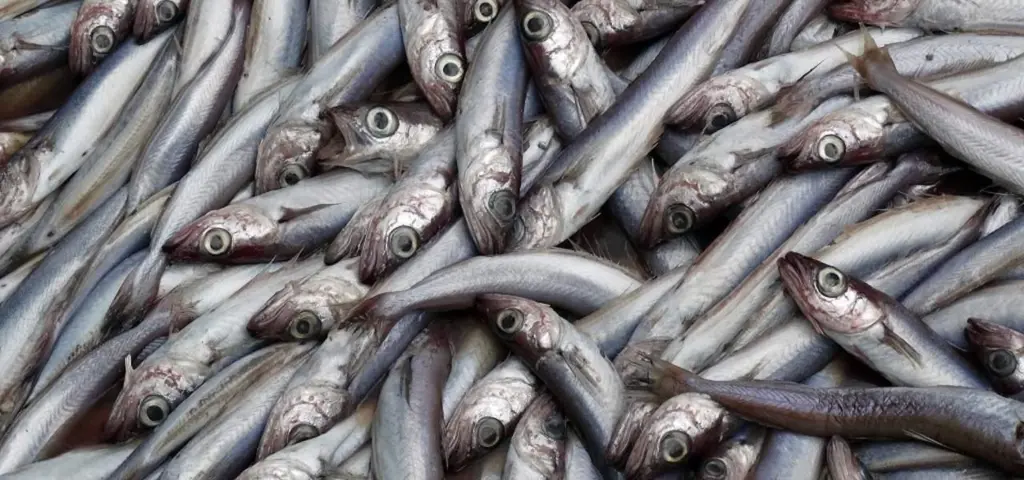
Two more fisheries dropped into the “poorly managed” category: Chilean jack mackerel – SE Pacific (Peru), and blue whiting – Northeast Atlantic (which dropped after moving up in 2022). While most fisheries assessed in the reports continue to be reasonably well-managed or better, performance has been steadily dropping since 2018.
“Since 2018 we have unfortunately seen a steady decline globally in the performance of key fisheries supplying marine ingredients, due largely to persistent management issues” SFP Programme Director Dave Martin. “While all stakeholders need to be engaged in supporting improvements, we are looking to the seafood industry to take the lead in fostering long-term partnerships with fisheries and supporting improvements to ensure sustainable fisheries can meet growing customer demands and remain healthy in the face of climate change.”
The 2023 reports mark the 14th edition of the SFP assessments, which evaluated key fisheries based on sustainability scores in FishSource, SFP’s public database of fisheries information. Like last year, the 2023 evaluations were conducted in two phases, to better align with the timings of the release of key management measures and stock assessment information for each fishery.
According to SFP, across the globe, despite relatively good current stock health and ongoing improvement efforts, persistent management issues continue to hinder fishery performance. This includes a lack of precautionary management (e.g. robust management plans and harvest control rules), and especially a lack of agreement and implementation of effective joint management strategies for transboundary stock like Northeast Atlantic blue whiting.
Especially in the face of climate change, managers should be defining ecosystem-based long-term strategies and objectives to safeguard fish stocks and associated trophic chains, it said.
The latest report is also the first to include FishSource Environment and Biodiversity scoring, which goes beyond traditional fisheries management to focus on by-catch and potential fishery impacts on endangered, threatened or protected (ETP) species and marine habitats and ecosystems. While overall scores are reasonably good, the scores also highlight that all the fisheries assessed in this report have room for improvement on these issues.
Skretting’s Global Sustainability Director Jorge Diaz Salinas said the feed company welcomes the report and also SFP’s call for further leadership within the seafood industry to generate positive changes that lead to better managed fisheries.
“We acknowledge our responsibility and will use the information to identify and act, together with other partners, on fisheries with potential for social and environmental improvement that can sustain the increasing demand for marine ingredients. Moreover, the addition of the environment and biodiversity scoring will also be used as a tool to take better decisions in our operations,” he said.
Marny Ferrara, leading Cargill’s Aqua Nutrition global marine ingredient merchandising and risk management, stated: “This helps us to purchase responsibly managed and sustainably sourced fishmeal and fish oil from our suppliers and propose fishery improvement projects (FIPs) for improvements where needed. This is essential to meeting our commitment and our customers’ expectations of sustainable marine ingredients.”
Related Articles
 FISHERIES
 SEAFOOD
 SUSTAINABILITY