


GEA breaks ground on US alternative proteins centre
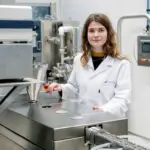
GEA has started the construction of its new technology centre for alternative proteins in Janesville, WI, United States.
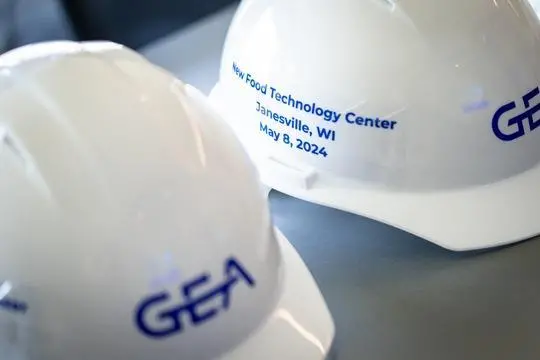
Scheduled to open in 2025, the centre will scale up the production of novel plant-based, microbial, and cell-based foods. Through it, GEA aims to support manufacturers in meeting the demand for complementary proteins and ingredients to traditional animal-based products.
“This investment underscores our commitment to innovation and sustainability in the food industry,” said Arpad Csay, who leads GEA’s new food activities in North America.
The centre will house pilot lines for cell cultivation and precision fermentation, bridging the gap between benchtop and commercial production of alternative proteins.
“The technology centre will offer foodtech businesses a platform to develop and de-risk their processes to ensure technological and commercial viability. It helps start-ups in the sector implement a business strategy that requires little upfront investment. This way, we help accelerate the development of market-ready products.”
Csay continued: “Novel food production methods are going to gain prominence in the coming decades. This development will require a diverse pool of skilled professionals from operators in the plants to bioprocessing engineers designing production systems and scientists pushing boundaries through research and development. Our technology centre will help develop this future workforce by educating students and young professionals about the underlying biology and bioprocesses. We are excited to work with community colleges and universities to build these competencies in the region.”
All of the energy needed for the 1,200-square-metre building will be obtained from renewable sources. For instance, heat pumps and systems powered by electricity will replace the natural gas conventionally used for building technology and process equipment.
A ground-mounted photovoltaic system is to generate 290 MWh of electricity per year, exceeding the energy requirement by at least a quarter. The surplus energy will be fed into the grid. This photovoltaic system is expandable, so that green energy can continue to be generated when process demands increase in the future. This setup underscores GEA’s strategy to become a net-zero operation by 2040.
The new plant will complement an existing production facility in Janesville.
Related Articles
 AQUACULTURE
 FISHERIES
 AQUACULTURE