
Communicating the importance of fish, and aquaculture
OMC 2016 continued with a second day of presentations. What we have heard over the last two days is that the industry has really progressed. There is a 1:1 food conversion now and feed development has moved very fast.
After the first full day of presentations and extensive question & answer sessions, delegates took the opportunity to relax at the Conference Dinner held in La Gavina restaurant, in the restored Palau del Mar building at the foot of the Mediterranean Sea. With the weather delegates were able to enjoy a fantastic meal on the first evening of the 2016 Offshore Mariculture Conference, in a beautiful setting.
The second day of the conference kicked off with un update from an old friend of OMC, Neil Anthony Sims, on the Velella project, which is still waiting on permits to be granted for the latest iterations of the Velella Project. Sims hopes the Delta version can go to sea this year. The Delta will be a larger version of the Gamma; a submersible pod attached to a single mooring point off the coast of Hawaii (though still close enough to be within wireless range, allowing remote feeding and monitoring). The plan is for the Delta to contain a greater number of fish in a larger pen, around 15,000.
Javier Ponce, Architect and Founder of Smart Floating Farms, then gave an aspirational presentation in which, with the current challenges of cities growing, land consumption, massive imports and climate change, he proposed the Smart Floating Farms project as a complementary alternative to other food production systems. The project deals with the symbiosis / combination of different existing technologies in order to produce fresh and healthy food closer to our homes. Based on a polyculture multi-layered Floating Platform, it combines mariculture, hydroponics and photovoltaics (solar power).
A number of differing cage and net technologies were presented including that of Meeker Management Services, which started with a system of wooden square pens, hewn from logs. When President/Owner, Mike Meeker saw his more modern investments destroyed by ice flows — for the second time — he resolved to design a system which could overcome the problem. The resulting cage — his ‘Stormsafe Submersible’ — is equally applicable for offshore aquaculture as it is in lakes, he said.
Cooke Aquaculture gave an insight to their operations in Canada and included valuable feedback to the suppliers on the equipment they currently use.
Paul Holthus, founding president and CEO of the World Ocean Council, said the body was creating an ‘ocean investment platform’ in a bid to get all ocean users cooperating on identifying issues, opportunities and challenges. Aquaculture is one sector which comes under the ‘opportunities’ heading, and it is hoped this collaborative approach can identify the companies with solutions, bring them together, and advance how the oceans are used.
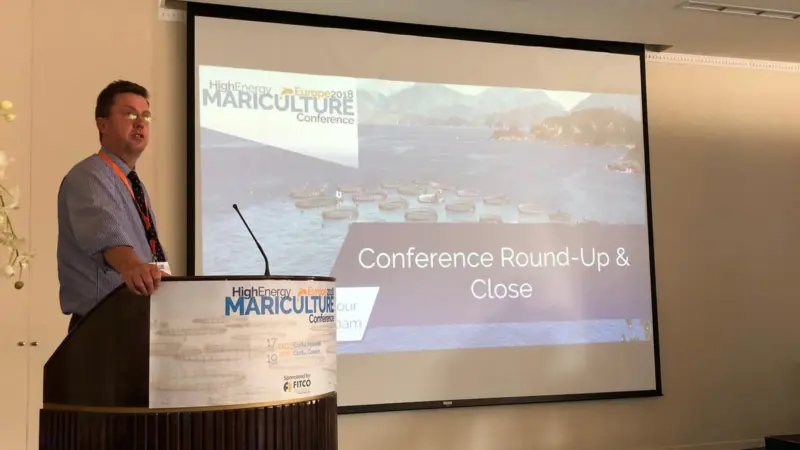
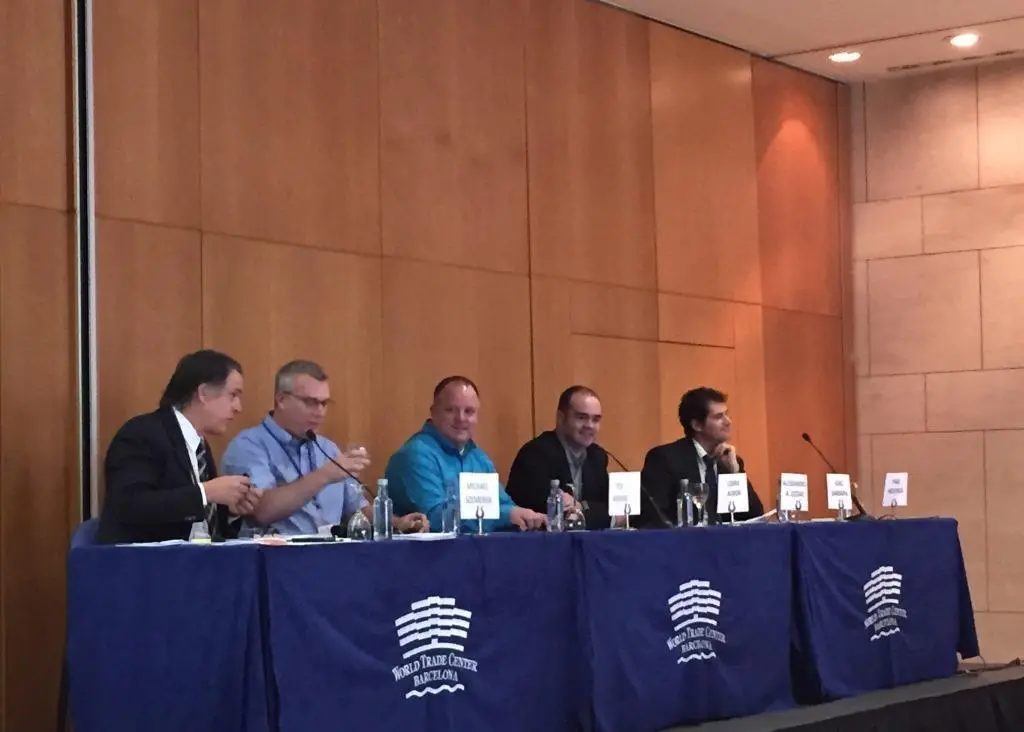
To round off the day, delegates were given an insight into IRTA’s Aquaculture Program by Director, Dolors Furones Nozal, who highlighted the scope of the programme and it’s aims which includes knowledge and technology transfer to increase the number of species cultured and/or improve the existing processed from the production and food safety points of view. In summing up Chairman, Alessandro Lovatelli, stated that time should be spent telling people what aquaculture is and the nutritional importance of fish – we need to communicate with the public so that they understand that if we want fish on our tables we have to farm it.
Asia is the hub in terms of quantity, and it needs to intensify with more fish per cubic metre of water. In Africa the potential is there and is coming on slowly – there is a lot of interest to develop their aquaculture industry, which will create business opportunities. The Middle East has a lot of dessert so they are interested in going offshore; Iran being the most active country. The Middle East is moving fast; they need help but they are focused. This is not for the export market, it is for food security and, of course, China is a big and powerful market. The EU is struggling because there are a lot of products on the market but when it comes to aquaculture it is only focussed on sea bass and sea bream. But customers want different products so the industry has to develop.
What we have heard over the last two days is that the industry has really progressed. There is a 1:1 food conversion now and feed development has moved very fast.
Aquaculture can have very little impact on the environment – if done properly and these points NEED to be communicated effectively to the people. They need to be continually reminded of the importance of aquaculture but no single company can do this, governments need to get involved.
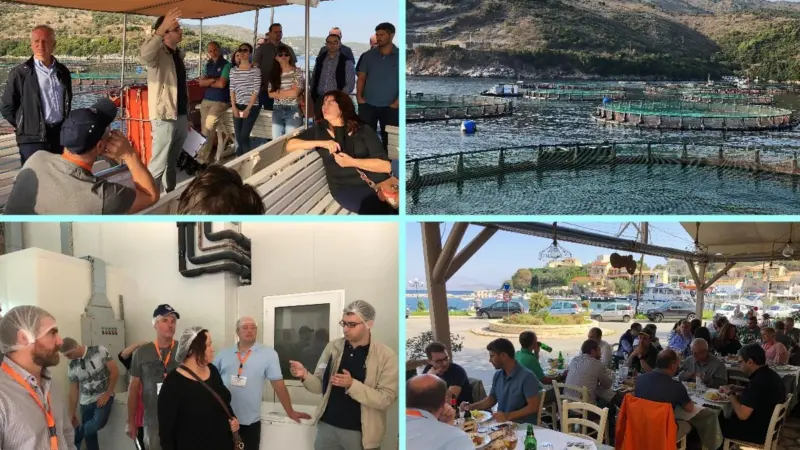
The third day saw delegates visiting the Mercabarna fish market and the IRTA research facility; a full report will appear in World Fishing Magazine and online at www.worldfishing.net and www.offshoremariculture.com.