




Calls for fishing safety improvements
The US National Transportation Safety Board has issued five safety recommendations to the U.S. Coast Guard, regarding tougher standards for commercial fishing vessels, crew training and increased use of flotation devices.
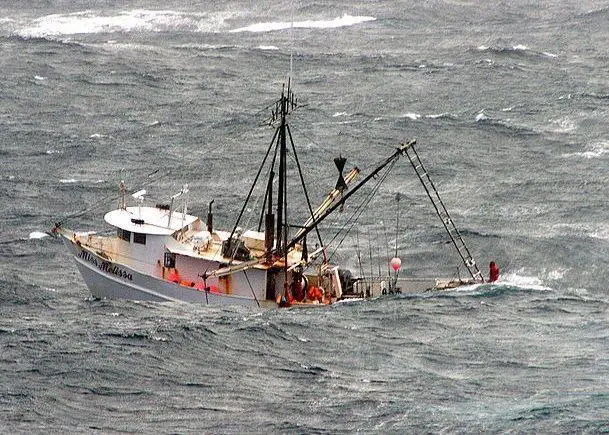
“The commercial fishing industry continues to have the highest fatality rate of all occupations in the United States; the safety hazards of this industry are unacceptable,” said National Transportation Safety Board (NTSB) Chairman Deborah Hersman. “While numerous laws have been passed to protect fishing grounds and fish populations, regulations to improve the safety of commercial fisherman are long overdue.”
In the United States, deaths averaged 158 per 100,000 commercial fishing industry workers from 1992 to 2008, compared with an average of four fatalities per 100,000 workers in all occupations nationwide.
These issues were highlighted during the NTSB’s forum on fishing vessel safety, held in October.
During the forum, experts from the U.S. Coast Guard and industry identified numerous issues which need to be addressed to improve the safety of commercial fishing, including lifesaving equipment, replacing older vessels, and crew training – from both industry and government perspectives. The forum also identified strategies for preventing accidents and reducing the industry’s high rate of injuries and fatalities.
The five recommendations are as follows:
1. Establish standards for new and existing commercial fishing industry vessels of 79 feet or less in length that address intact stability, subdivision, and watertight integrity, and include periodic reassessment of the vessels’ stability and watertight integrity.
2. Require all owners, masters, and chief engineers of commercial fishing industry vessels to receive training and demonstrate competency in vessel stability, watertight integrity, subdivision, and use of vessel stability information regardless of plans for implementing the other training provisions of the 2010 Coast Guard Authorization Act
3. Require each person on the deck of a commercial fishing industry vessel to wear a flotation aid at all times
4. Require owners of commercial fishing industry vessels to: install fall overboard recovery devices appropriate for the vessel; periodically ensure the functionality of such equipment; and regularly conduct drills in which crewmembers demonstrate their competence in the use of such devices
5. Require all crewmembers to provide certification of completion of safety training before getting under way on commercial fishing industry vessels, such training to include both prevention of and proper response.
Related Articles
 FISHERIES
 FISHERIES
 WORLD FISHING EVENTS