





New ratio boosts fish feed sustainability
Researchers at the University of Stirling’s Institute of Aquaculture, in collaboration with the universities of Lancaster, Aberdeen and Cambridge, have developed a groundbreaking method to enhance nutrient retention in farmed fish feed.
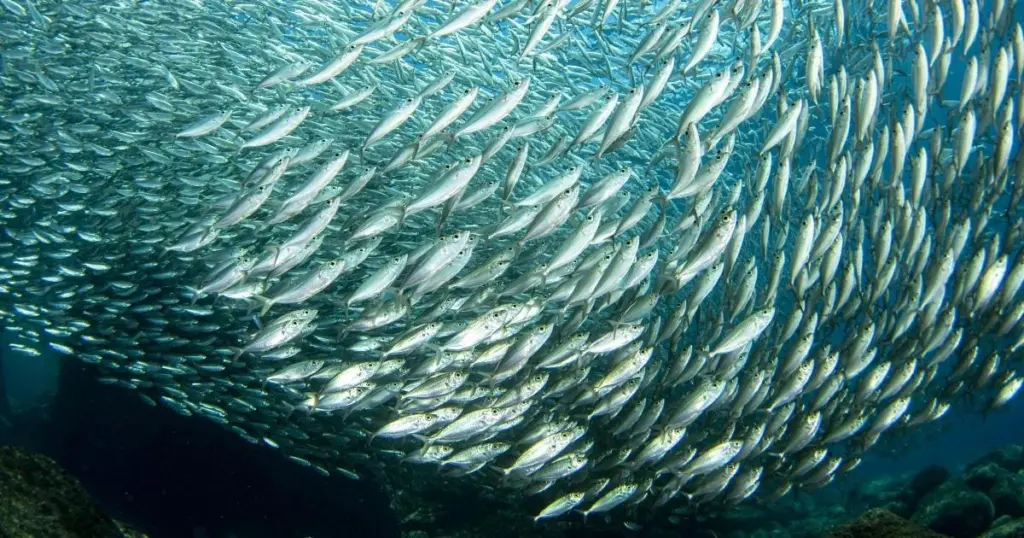
The study, published in the Aquaculture journal, addresses sustainability concerns in the aquaculture industry, which relies heavily on marine ingredients like fishmeal and fish oil.
Currently, farmed fish such as salmon are inefficient at converting omega-3 and other nutrients. The new approach, called the nutrient fish-in fish-out (nFIFO) ratio, builds on the existing fish-in fish-out metric but factors in nutrient retention alongside the biomass of wild fish used for feed.
This method allows for more precise analysis of nutrient flow through farmed fish production, showing that farmed salmon are only about 38% efficient in converting omega-3 inputs into usable nutrients.
“Unlike traditional approaches, this new nFIFO metric accounts for the retention of key nutrients in the final farmed fish, providing a more targeted means of measuring and improving aquaculture’s resource efficiency,” explained study-lead, Dr Richard Newton, lecturer in Resilient Food Systems at the Institute of Aquaculture.
“This shift highlights the ever more important role of by-products in transforming marine resources into valuable nutrition within the aquaculture sector.
The research suggests that using fishery by-products in aquafeeds could significantly improve nutrient retention. To promote the adoption of this new method, the team has also developed an online tool through Blue Food Performance’s sustainability indicators.
Related Articles
 SEAFOOD
 AQUACULTURE
 SEAFOOD