






Feedback sought to finalise new fish farming standard
The Aquaculture Stewardship Council (ASC) has launched the final round of its stakeholder consultation to help finalise the content of its new Farm Standard, with stakeholders encouraged to take part before the consultation closes on Monday 20 May.
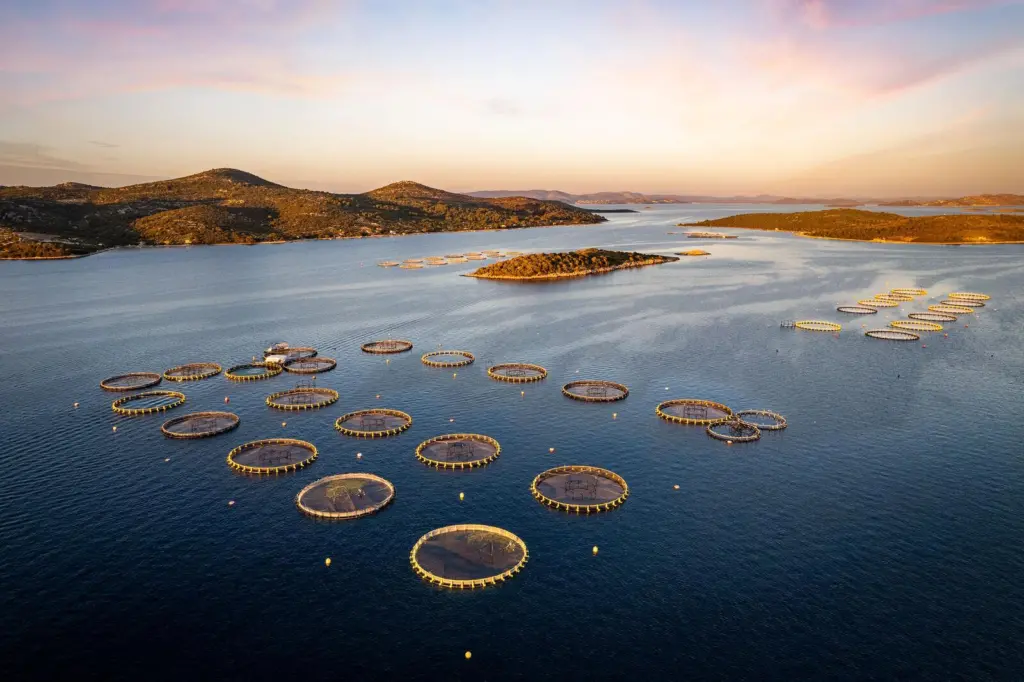
The new Farm Standard will align all of ASC’s species-specific standards into a single global, robust standard. Its aim is to bring greater consistency to the ASC programme and support the highest assurance throughout the supply chain. The organisation said it also addresses all relevant environmental and human rights impacts of aquaculture, regardless of production system or location of the farm.
Enhancements have been made to existing requirements along with new requirements in key areas to address environmental and social impacts of aquaculture. The standard also enables ASC to act on market demand for new species and add new production systems to the programme more efficiently.
“We encourage all stakeholders to actively participate in this last round of consultation. Whether you’re a producer, a retailer, an academic, an NGO or anyone else who is interested in what we are doing, we want to hear from you! This will help make sure that the ASC Farm Standard reflects your expectations, expertise and experiences,” ASC Director of Standards and Science Michiel Fransen said.
The content of the ASC Farm Standard is divided across four principles, including a newly-created fourth principle that covers fish health and welfare as part of ASC’s new approach to address key areas of market concern.
- Principle 1 – Farm Management covers legal and effective business operations. New criteria include management systems and business ethics requirements, and existing criteria around traceability and disclosure requirements will be improved. Overall, the principle will help to reinforce domestic laws and regulations to maintain a culture that prevents corruption and bribery, tackling food fraud and leading to improved traceability and product integrity throughout the supply chain.
- Principle 2 – Environmental Responsibility focuses on farming practices to reduce harm to biodiversity and the ecosystem surrounding the farm. New criteria include water quality, energy use and greenhouse gas (GHG) emissions, with improvements to existing feed, hatcheries and intermediate sites, environmental risk and benthic impact requirements.
- Principle 3 – Social Responsibility covers a broad range of human rights issues. New criteria include requirements to ensure farm employees’ awareness of human rights, and improvements to existing forced and child labour, health and safety, discrimination and grievance mechanism requirements.
- Principle 4 – Fish Health and Welfare includes new criteria on handling, stunning and slaughter requirements and new eyestalk ablation restrictions for shrimp producers.
“We believe that these focused, clear requirements on animal health and welfare will support producers to transparently demonstrate their responsible practices to their supply chain. The welfare indicators, handling and slaughter requirements in particular will contribute to lower animal stress levels and better welfare, which will ultimately contribute to better product quality, higher survival rates and reduced expenditure on disease prevention,” ASC Standards Coordinator for Fish Welfare Maria Filipa Castanheira said.
This final round of consultation will be used to evaluate an appropriate transition framework for farms, which will be at least 24 months. ASC will confirm the transition period for farms in September 2025. Following approval, the new Farm Standard will become operational in early 2025.
ASC CEO Chris Ninnes said the new standard is a “milestone development” not only for ASC certification, but also for responsibly produced farmed seafood worldwide.
Related Articles
 AQUACULTURE
 AQUACULTURE
 AQUACULTURE